


Nitrogen-containing bisphosphonates inhibit cell cycle progression in human melanoma cells
- PMID: 15280922
- PMCID: PMC2364766
- DOI: 10.1038/sj.bjc.6602052
Nitrogen-containing bisphosphonates inhibit cell cycle progression in human melanoma cells
Abstract
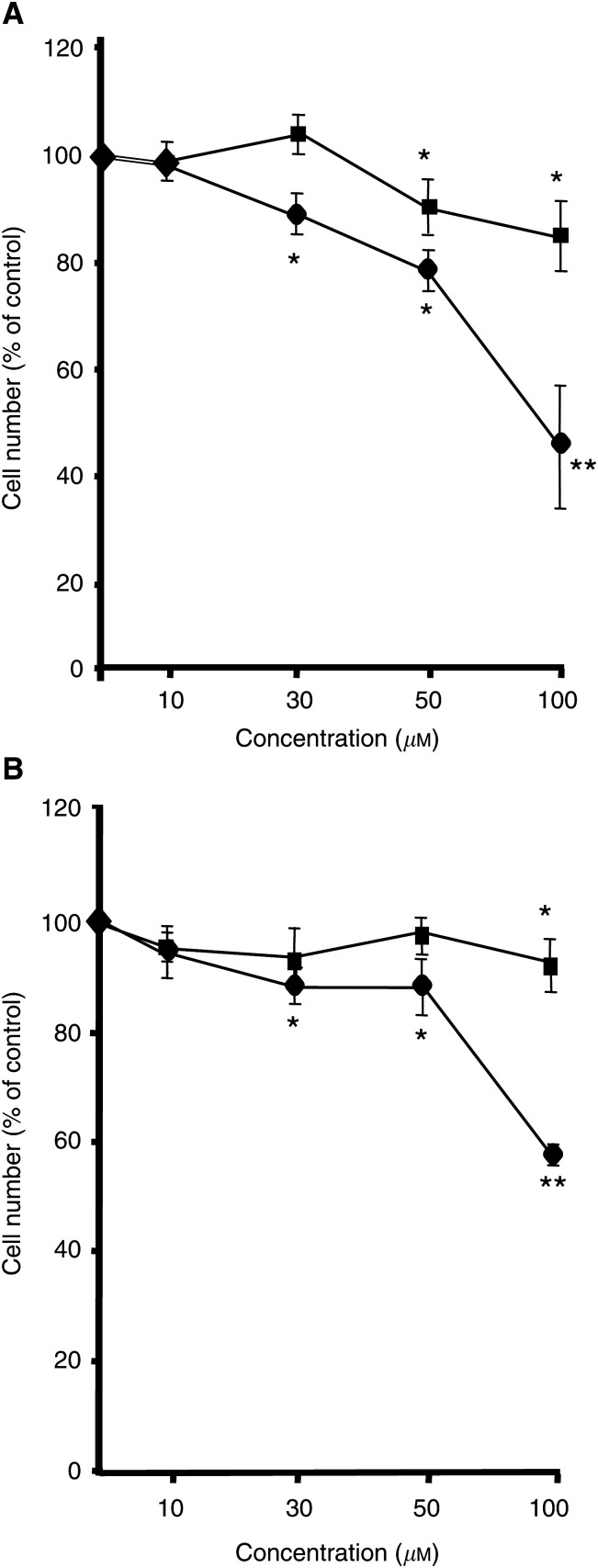
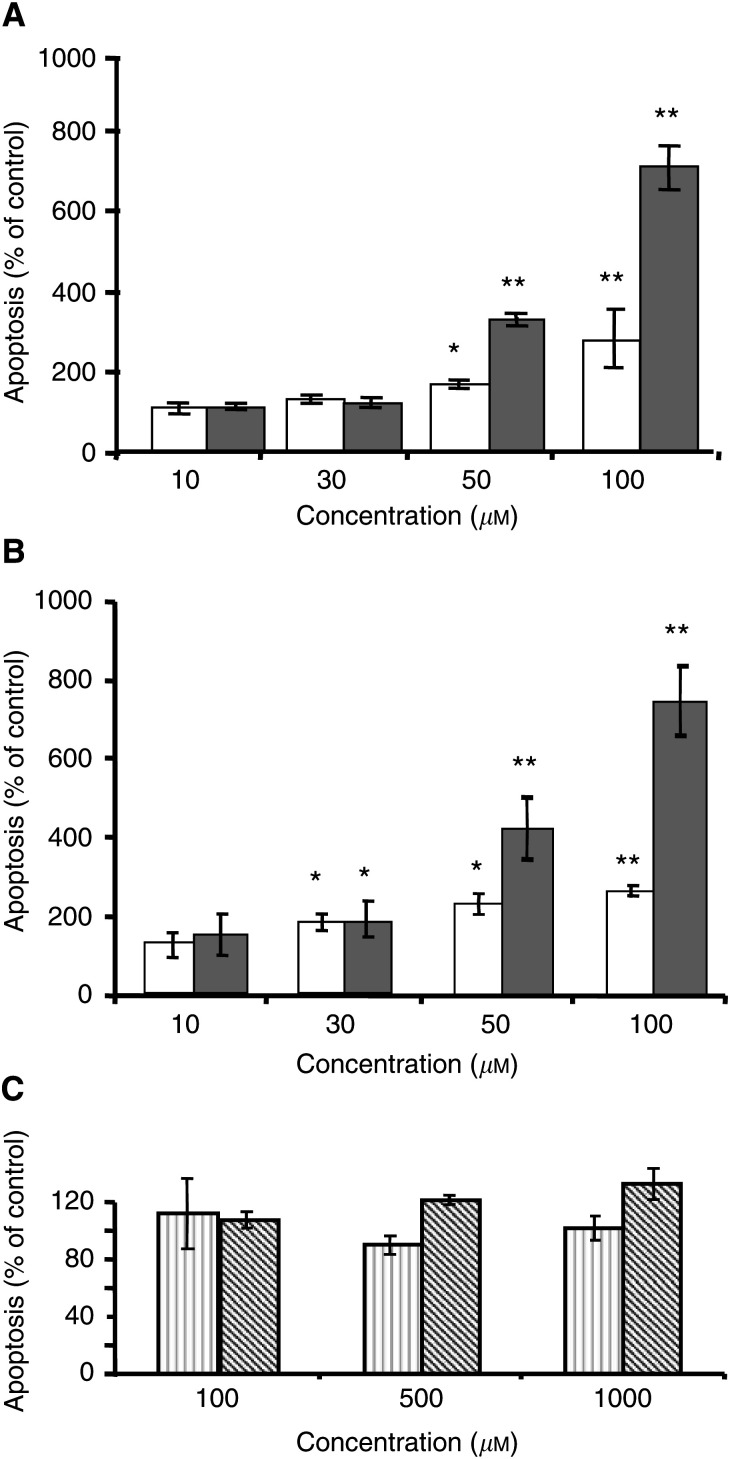
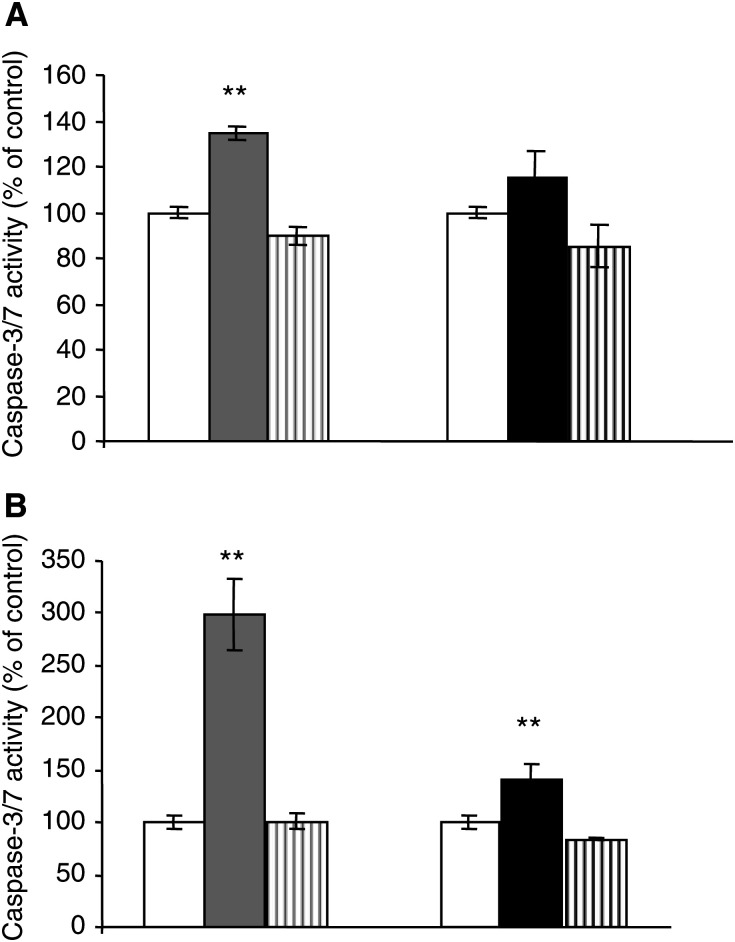
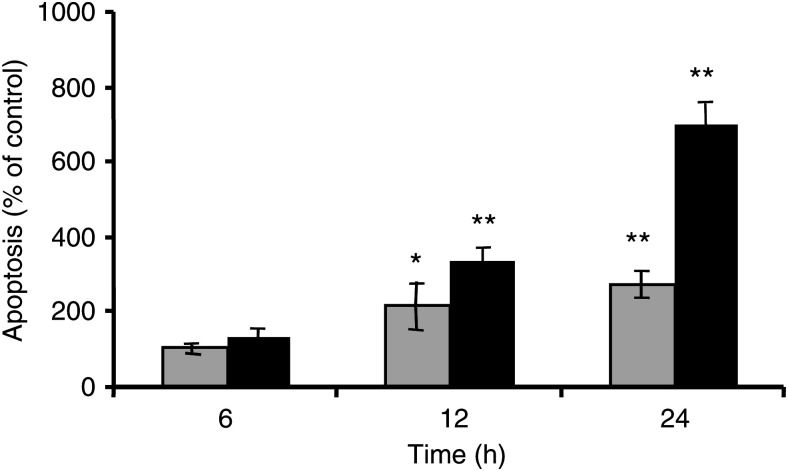
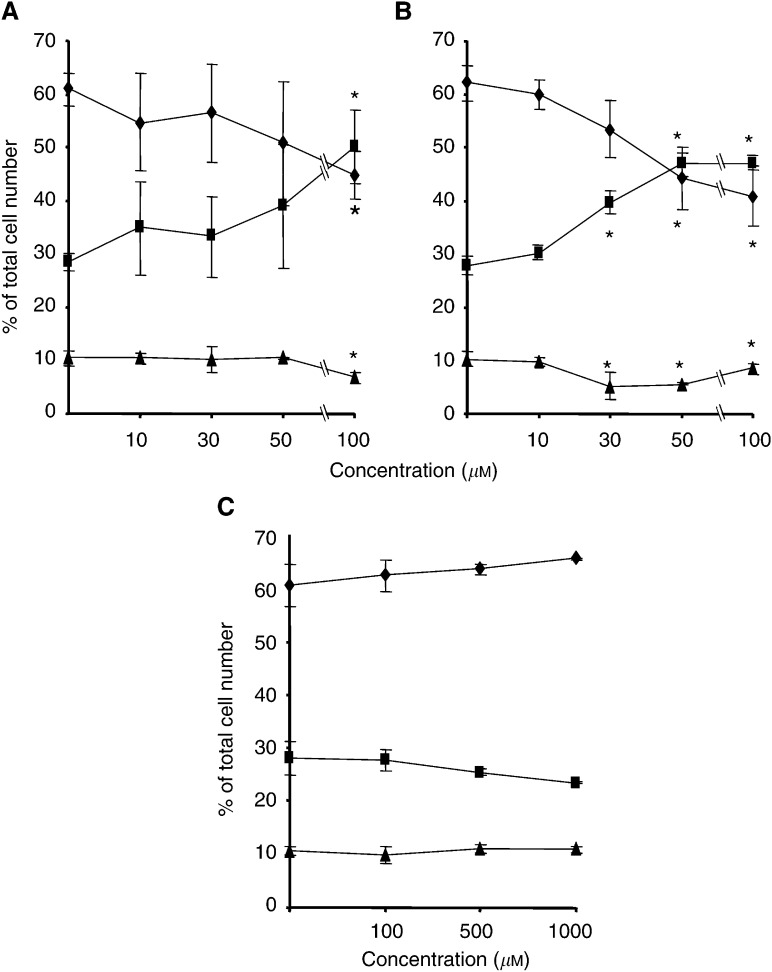
Cutaneous melanoma is one of the highly malignant human tumours, due to its tendency to generate early metastases and its resistance to classical chemotherapy. We recently demonstrated that pamidronate, a nitrogen-containing bisphosphonate, has an antiproliferative and proapoptotic effect on different melanoma cell lines. In the present study, we compared the in vitro effects of three different bisphosphonates on human melanoma cell lines and we demonstrated that the two nitrogen-containing bisphosphonates pamidronate and zoledronate inhibited the proliferation of melanoma cells and induced apoptosis in a dose- and time-dependent manner. Moreover, cell cycle progression was altered, the two compounds causing accumulation of the cells in the S phase of the cycle. In contrast, the nonaminobisphosphonate clodronate had no effect on melanoma cells. These findings suggest a direct antitumoural effect of bisphosphonates on melanoma cells in vitro and further support the hypothesis of different intracellular mechanisms of action for nitrogen-containing and nonaminobisphosphonates. Our data indicate that nitrogen-containing bisphosphonates may be a useful novel therapeutic class for treatment and/or prevention of melanoma metastases.
Figures
References
-
- Aparicio A, Gardner A, Tu Y, Savage A, Berenson J, Lichtenstein A (1998) In vitro cytoreductive effects on multiple myeloma cells induced by bisphosphonates. Leukemia 12: 220–229 - PubMed
-
- Aznar S, Lacal JC (2001) Rho signals to cell growth and apoptosis. Cancer Lett 165: 1–10 - PubMed
-
- Bar-Sagi D, Hall A (2000) Ras and Rho GTPases: a family reunion. Cell 103: 227–238 - PubMed
-
- Benford HL, Frith JC, Auriola S, Monkkonen J, Rogers MJ (1999) Farnesol and geranylgeraniol prevent activation of caspases by aminobisphosphonates: biochemical evidence for two distinct pharmacological classes of bisphosphonate drugs. Mol Pharmacol 56: 131–140 - PubMed
-
- Benford HL, McGowan NW, Helfrich MH, Nuttall ME, Rogers MJ (2001) Visualization of bisphosphonate-induced caspase-3 activity in apoptotic osteoclasts in vitro. Bone 28: 465–473 - PubMed
Publication types
MeSH terms
Substances
LinkOut - more resources
Full Text Sources
Other Literature Sources
Medical
