


Osteoporosis-related life habits and knowledge about osteoporosis among women in El Salvador: a cross-sectional study
- PMID: 15329150
- PMCID: PMC517502
- DOI: 10.1186/1471-2474-5-29
Osteoporosis-related life habits and knowledge about osteoporosis among women in El Salvador: a cross-sectional study
Abstract
Background: Osteoporosis is a systemic skeletal disorder, characterized by reduced bone mass, deterioration of bone structure, increased bone fragility, and increased fracture risk. It is more frequent to find among women than men at a 4:1 ratio. Evidence suggests that to adopt changes on some life habits can prevent or delay development of osteoporosis. Several osteoporosis-risk factors have been confirmed in the US and western Europe, but in El Salvador there are neither reliable epidemiological statistics about this skeletal disorder nor studies addressing osteoporosis-risk factors in women. The aim of this study was to determinate the extent of osteoporosis knowledge, the levels of both daily calcium intake and weight-bearing physical activity, and the influence of several osteoporosis-risk factors on these variables in three age groups of Salvadorean women.
Methods: In this exploratory cross-sectional study, an osteoporosis knowledge assessment questionnaire including a food frequency and a physical activity record section were used to collect data and it was delivered through a face-to-face interview. A convenience sample (n = 197) comprised of three groups of women aged 25-35 years, 36-49 years, and over 49 years was taken. Among-group comparisons of means were analyzed by two-way ANOVA. To determinate the overall influence of osteoporosis-risk factors, the multivariate analysis was used.
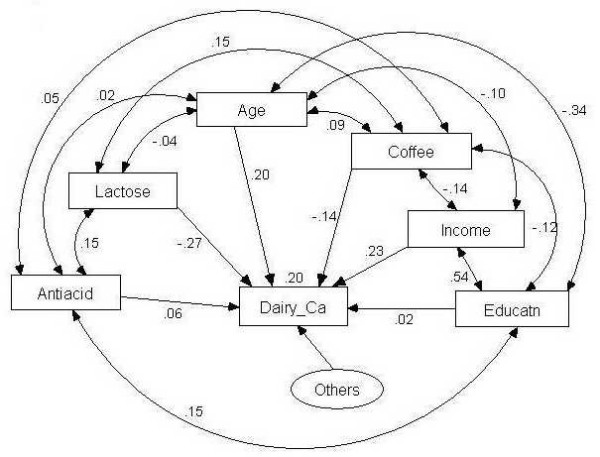
Results: Study results indicated that better educated women had more knowledge about osteoporosis than women with a low education level, regardless of age, even though this knowledge was rather fair. Older women got more weight-bearing physical activity at home and less at place of employment than reported by the younger women; however, neither group performed sufficient high-intensity WBPA to improve bone mass. Regardless of age, the most women consumed 60% or less than the Dietary Reference Intake of calcium and depend on household income, lactose intolerance and coffee rather than milk consumption.
Conclusion: In summary, the majority of women in this study have modest knowledge on osteoporosis. The knowledge base is not linked to preventive health habits, including sufficient calcium intake and performance of weight-bearing physical activities. They are thus at increased risk for low bone mass.
Figures


References
-
- Ramos F. Osteoporosis. In: Ramos F, editor. In El Paciente Reumático. 3,4. México: Ciencia y Cultura Latinoamericana; 2001. pp. 67–114.
-
- Rosenberg A. Osteoporosis. In: Cotran RS, Kumar V, Collins T, editor. In Robbins Patología Estructural y Funcional. 6. Madrid: McGraw-Hill Interamericana; 2000. pp. 1266–1268.
-
- Campusano C, Cerdas S. Metabolismo óseo y fisiopatología de la osteoporosis. In: Latin American Osteoporosis Advisory Board, editor. In Curso Latinoamericano sobre Osteoporosis. Vol. 5. México: Programa Latinoamericano de Educación Médica Continuada-Aventis; 2003. pp. 16–23.
-
- Galué G, de la Peña P. Diagnóstico de la osteoporosis: aspecto clínico, laboratorial y de imagen. In: Latin American Osteoporosis Advisory Board, editor. In Curso Latinoamericano sobre Osteoporosis. México: Programa Latinoamericano de Educación Médica Continuada-Aventis; 2003. pp. 5–13.
-
- ¿Qué es la Osteoporosis? http://www.arrakis.es/~arvreuma/index.html
Publication types
MeSH terms
Substances
LinkOut - more resources
Full Text Sources
Medical
