


Selective transport systems mediate sequestration of plant glucosides in leaf beetles: a molecular basis for adaptation and evolution
- PMID: 15365181
- PMCID: PMC518838
- DOI: 10.1073/pnas.0402576101
Selective transport systems mediate sequestration of plant glucosides in leaf beetles: a molecular basis for adaptation and evolution
Abstract
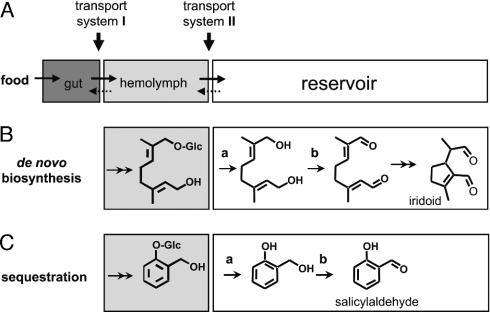
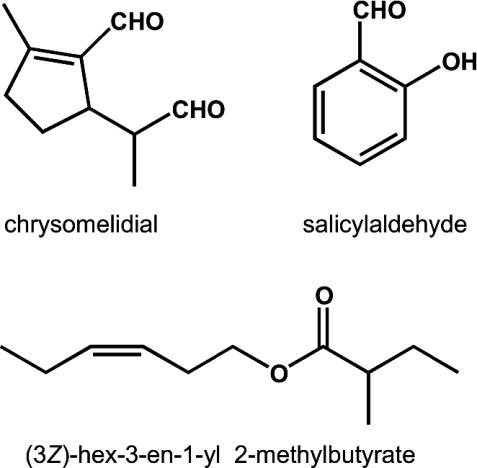
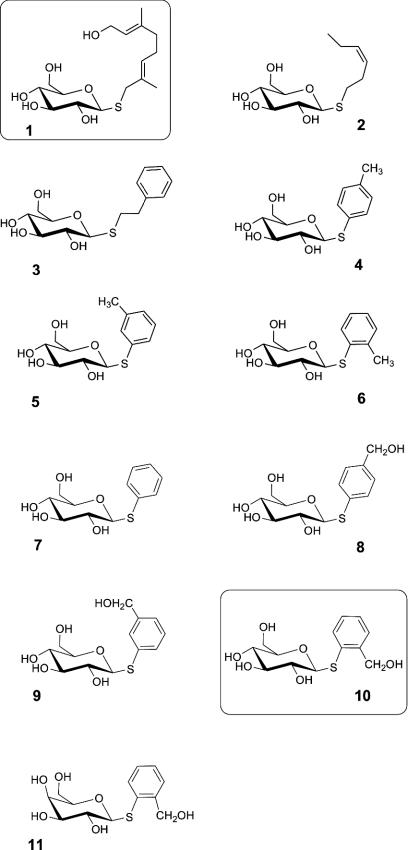
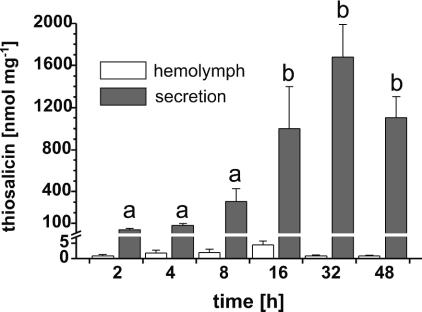
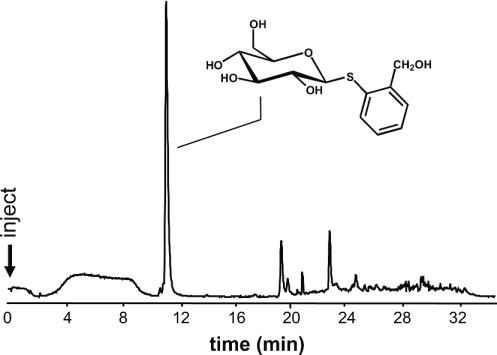
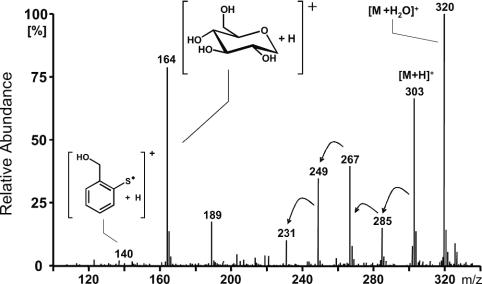
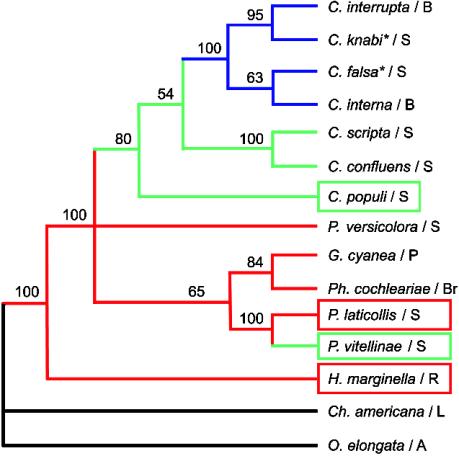
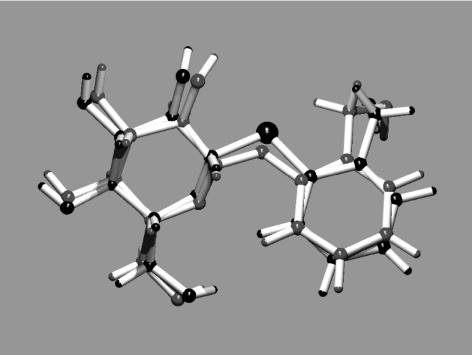
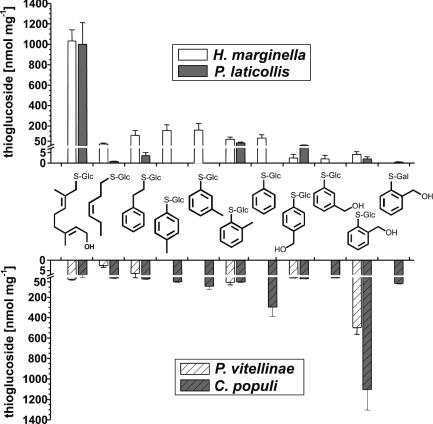
Chrysomeline larvae respond to disturbance and attack by everting dorsal glandular reservoirs, which release defensive secretions. The ancestral defense is based on the de novo synthesis of monoterpene iridoids. The catabolization of the host-plant O-glucoside salicin into salicylaldehyde is a character state that evolved later in two distinct lineages, which specialized on Salicaceae. By using two species producing monoterpenes (Hydrothassa marginella and Phratora laticollis) and two sequestering species (Chrysomela populi and Phratora vitellinae), we studied the molecular basis of sequestration by feeding the larvae structurally different thioglucosides resembling natural O-glucosides. Their accumulation in the defensive systems demonstrated that the larvae possess transport systems, which are evolutionarily adapted to the glycosides of their host plants. Minor structural modifications in the aglycon result in drastically reduced transport rates of the test compounds. Moreover, the ancestral iridoid-producing leaf beetles already possess a fully functional import system for an early precursor of the iridoid defenses. Our data confirm an evolutionary scenario in which, after a host-plant change, the transport system of the leaf beetles may play a pivotal role in the adaptation on new hosts by selecting plant-derived glucosides that can be channeled to the defensive system.
Figures
References
-
- Hartmann, T., Witte, L. (1995) in Alkaloids: Chemical and Biological Perspectives, ed. Pelletier, S. W. (Pergamon, Oxford), pp. 155–233.
-
- Malcolm, S. B. & Brower, L. P. (1989) Experientia 45, 284–295.
-
- Dyer, L. A. & Bowers, M. D. (1996) J. Chem. Ecol. 22, 1527–1539. - PubMed
-
- Nahrstedt, A. (1996) in Phytochemical Diversity and Redundancy in Ecological Interactions, eds. Romeo, J. T., Saunders, J. A. & Barbosa, P. (Plenum, New York), pp. 217–230.
-
- Nishida, R. (2002) Annu. Rev. Entomol. 47, 57–92. - PubMed
Publication types
MeSH terms
Substances
Associated data
- Actions
- Actions
- Actions
- Actions
- Actions
- Actions
- Actions
- Actions
- Actions
- Actions
- Actions
- Actions
- Actions
- Actions
- Actions
- Actions
- Actions
- Actions
- Actions
- Actions
- Actions
- Actions
- Actions
- Actions
- Actions
- Actions
- Actions
- Actions
- Actions
- Actions
- Actions
- Actions
- Actions
- Actions
- Actions
- Actions
- Actions
- Actions
- Actions
- Actions
- Actions
- Actions
- Actions
- Actions
- Actions
- Actions
- Actions
- Actions
- Actions
- Actions
- Actions
- Actions
- Actions
- Actions
- Actions
- Actions
- Actions
- Actions
- Actions
- Actions
- Actions
- Actions
- Actions
- Actions
- Actions
- Actions
- Actions
- Actions
- Actions
- Actions
- Actions
- Actions
- Actions
- Actions
- Actions
- Actions
- Actions
- Actions
- Actions
- Actions
- Actions
- Actions
- Actions
- Actions
- Actions
- Actions
- Actions
- Actions
- Actions
- Actions
- Actions
- Actions
- Actions
- Actions
- Actions
- Actions
- Actions
- Actions
- Actions
- Actions
- Actions
- Actions
- Actions
- Actions
LinkOut - more resources
Full Text Sources
Other Literature Sources
