


Mild hypothermia after near drowning in twin toddlers
- PMID: 15469580
- PMCID: PMC1065025
- DOI: 10.1186/cc2926
Mild hypothermia after near drowning in twin toddlers
Abstract
Introduction: We report a case of twin toddlers who both suffered near drowning but with different post-trauma treatment and course, and different neurological outcomes.
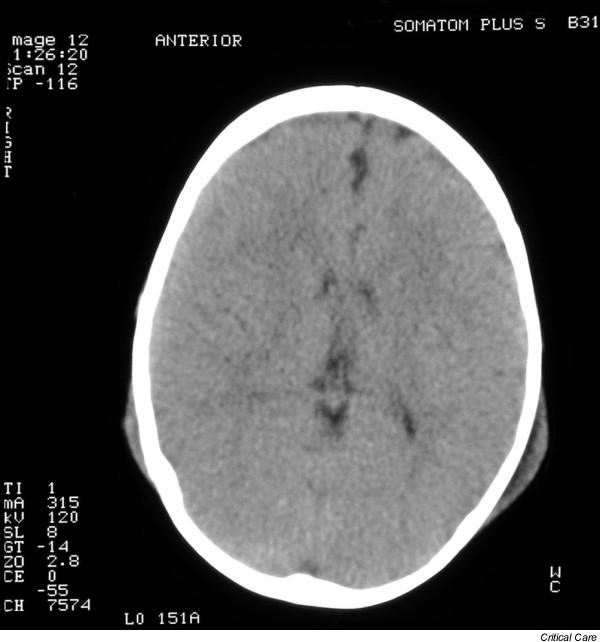
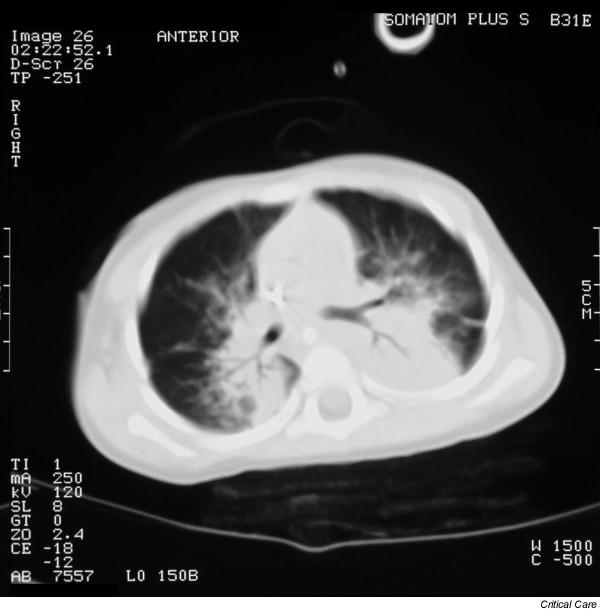
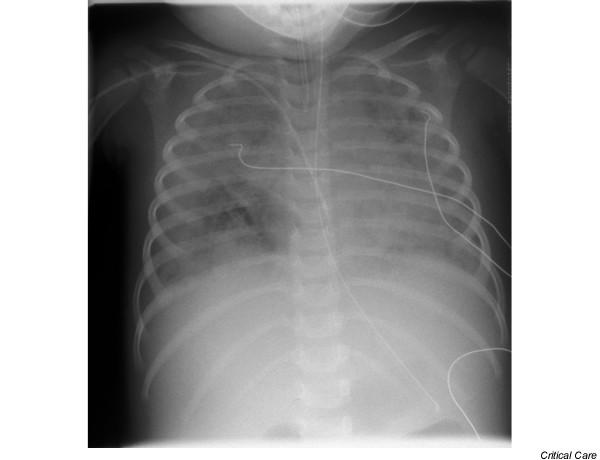
Methods and results: Two twin toddlers (a boy and girl, aged 2 years and 3 months) suffered hypothermic near drowning with protracted cardiac arrest and aspiration. The girl was treated with mild hypothermia for 72 hours and developed acute respiratory dysfunction syndrome and sepsis. She recovered without neurological deficit. The boy's treatment was conducted under normothermia without further complications. He developed an apallic syndrome.
Conclusion: Although the twin toddlers experienced the same near drowning accident together, the outcomes with respect to neurological status and postinjury complications were completely different. One of the factors that possibly influenced the different postinjury course might have been prolonged mild hypothermia.
Figures
References
-
- Quan L, Kinder D. Pediatric submersions: prehospital predictors of outcome. Pediatrics. 1992;6:909–913. - PubMed
-
- Spack L, Gedeit R, Splaingard M, Havens PL. Failure of aggressive therapy to alter outcome in pediatric near-drowning. Pediatr Emerg Care. 1997;2:98–102. - PubMed
-
- Zuckerman GB, Gregory PM, Santos-Damiani SM. Predictors of death and neurologic impairment in pediatric submersion injuries. The Pediatric Risk of Mortality Score. Arch Pediatr Adolesc Med. 1998;2:134–140. - PubMed
Publication types
MeSH terms
LinkOut - more resources
Full Text Sources
Medical
