


Chromosomal phenotypes and submicroscopic abnormalities
- PMID: 15601540
- PMCID: PMC3525070
- DOI: 10.1186/1479-7364-1-2-126
Chromosomal phenotypes and submicroscopic abnormalities
Abstract
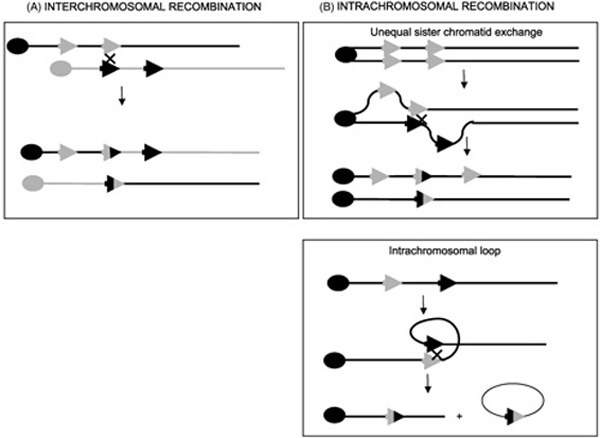
The finding, during the last decade, that several common, clinically delineated syndromes are caused by submicroscopic deletions or, more rarely, by duplications, has provided a powerful tool in the annotation of the human genome. Since most microdeletion/microduplication syndromes are defined by a common deleted/duplicated region, abnormal dosage of genes located within these regions can explain the phenotypic similarities among individuals with a specific syndrome. As such, they provide a unique resource towards the genetic dissection of complex phenotypes such as congenital heart defects, mental and growth retardation and abnormal behaviour. In addition, the study of phenotypic differences in individuals with the same microdeletion syndrome may also become a treasury for the identification of modifying factors for complex phenotypes. The molecular analysis of these chromosomal anomalies has led to a growing understanding of their mechanisms of origin. Novel tools to uncover additional submicroscopic chromosomal anomalies at a higher resolution and higher speed, as well as the novel tools at hand for deciphering the modifying factors and epistatic interactors, are 'on the doorstep' and will, besides their obvious diagnostic role, play a pivotal role in the genetic dissection of complex phenotypes.
Figures

References
-
- Cassidy SB, Morris CA. 'Behavioral phenotypes in genetic syndromes: Genetic clues to human behaviour'. Adv Pediatr. 2002;49:59–86. - PubMed
Publication types
MeSH terms
LinkOut - more resources
Full Text Sources
Research Materials
