


NF-kappaB mediates proteolysis-inducing factor induced protein degradation and expression of the ubiquitin-proteasome system in skeletal muscle
- PMID: 15714207
- PMCID: PMC2361865
- DOI: 10.1038/sj.bjc.6602402
NF-kappaB mediates proteolysis-inducing factor induced protein degradation and expression of the ubiquitin-proteasome system in skeletal muscle
Abstract
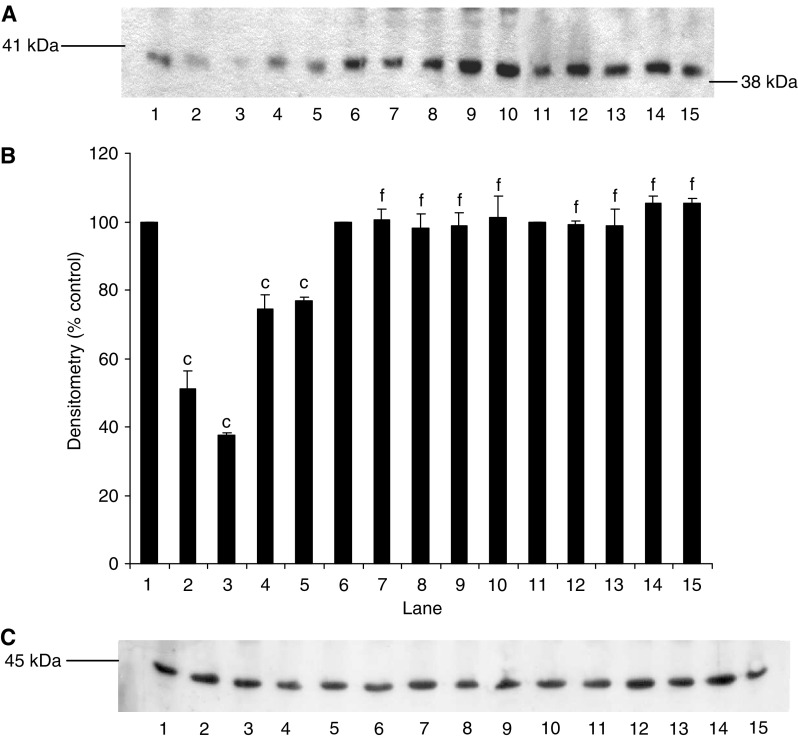
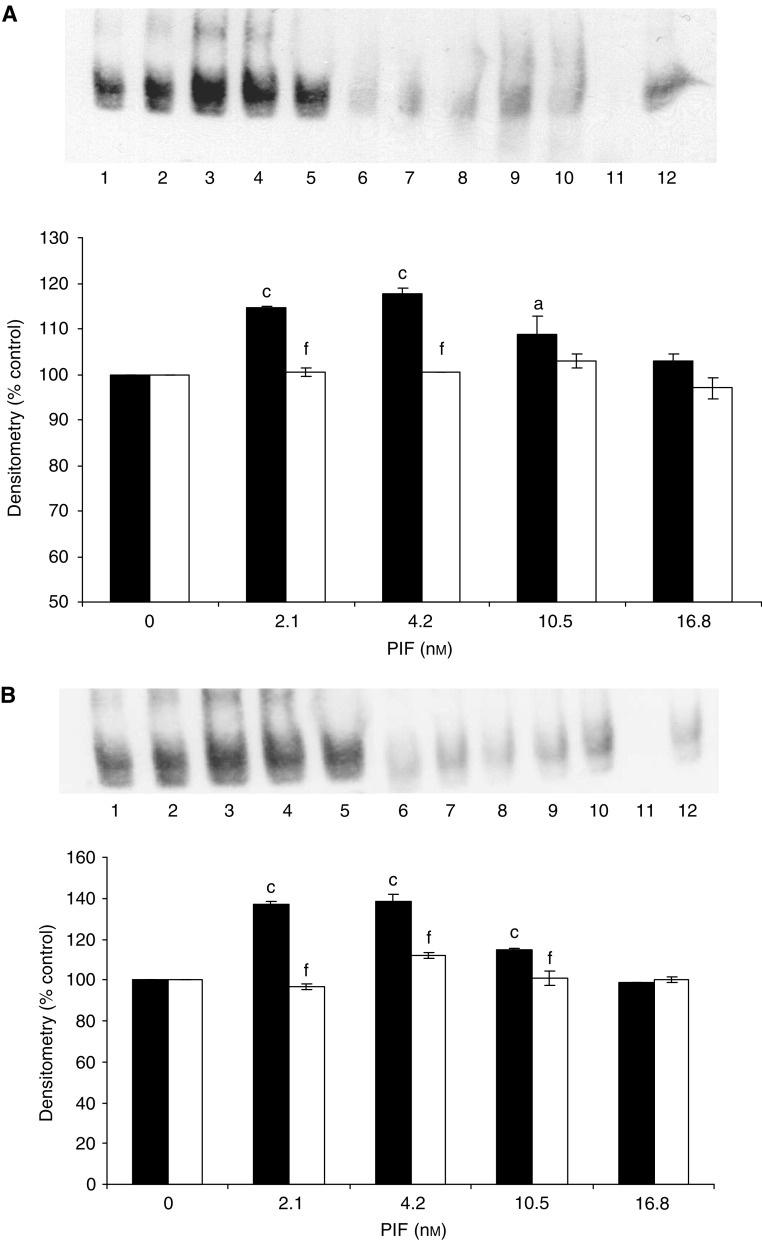
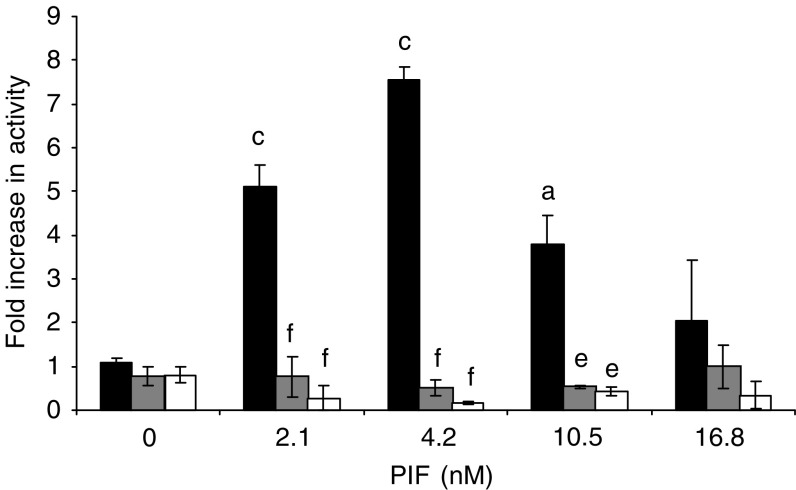
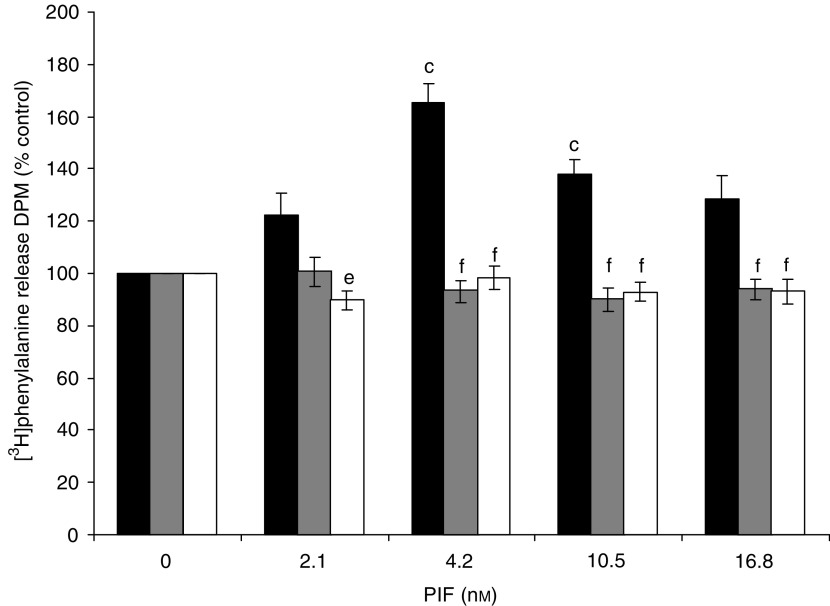
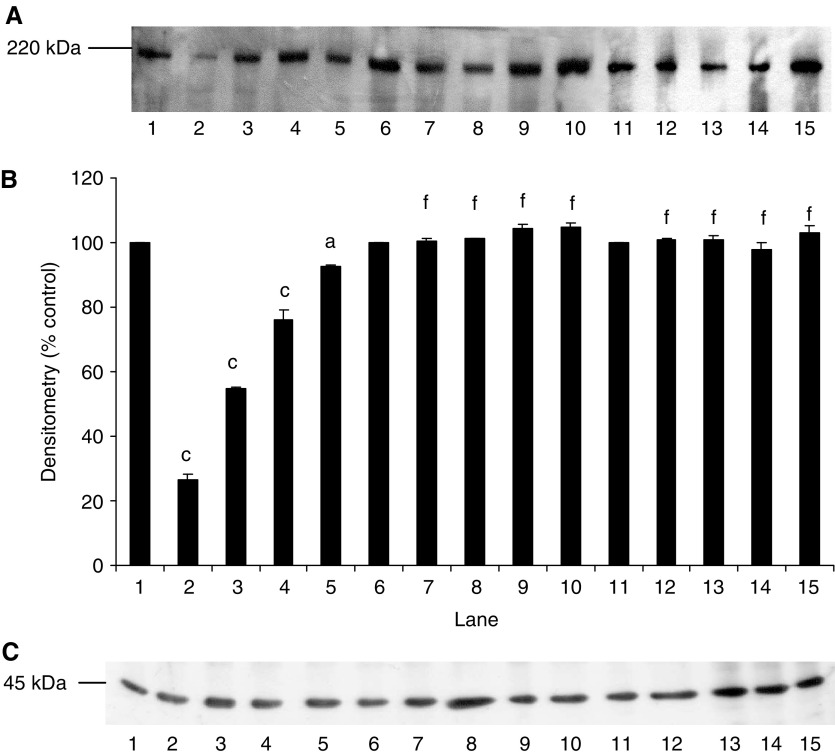
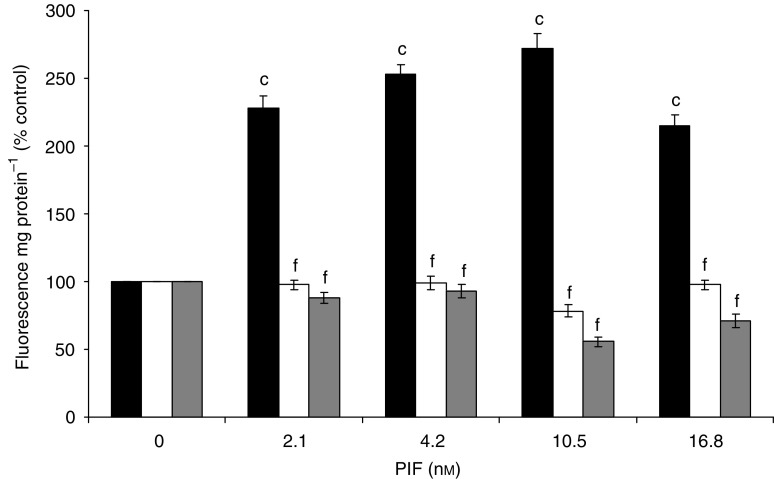
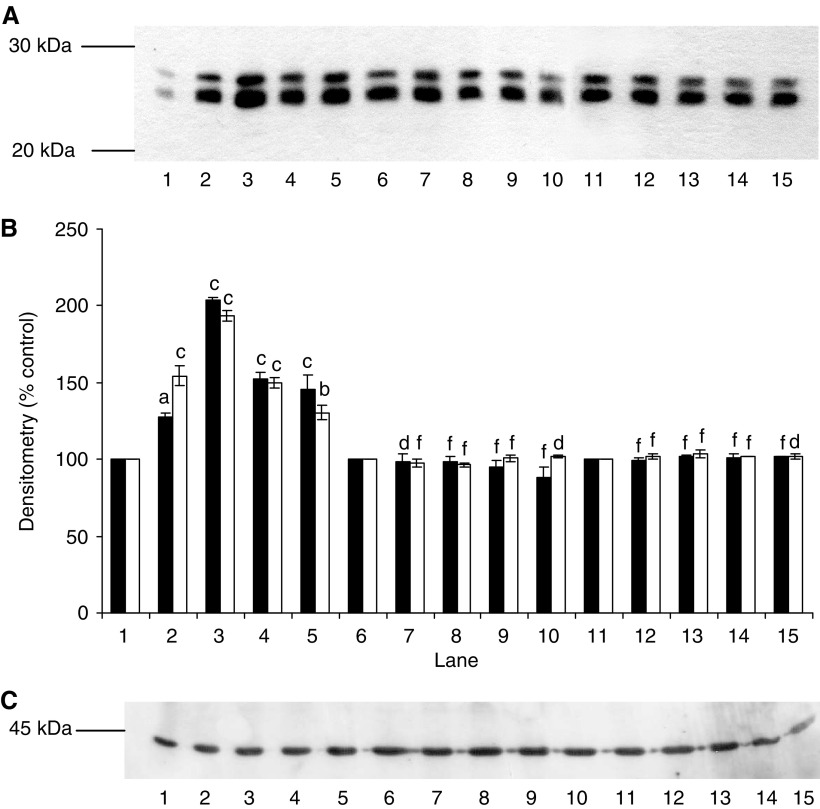
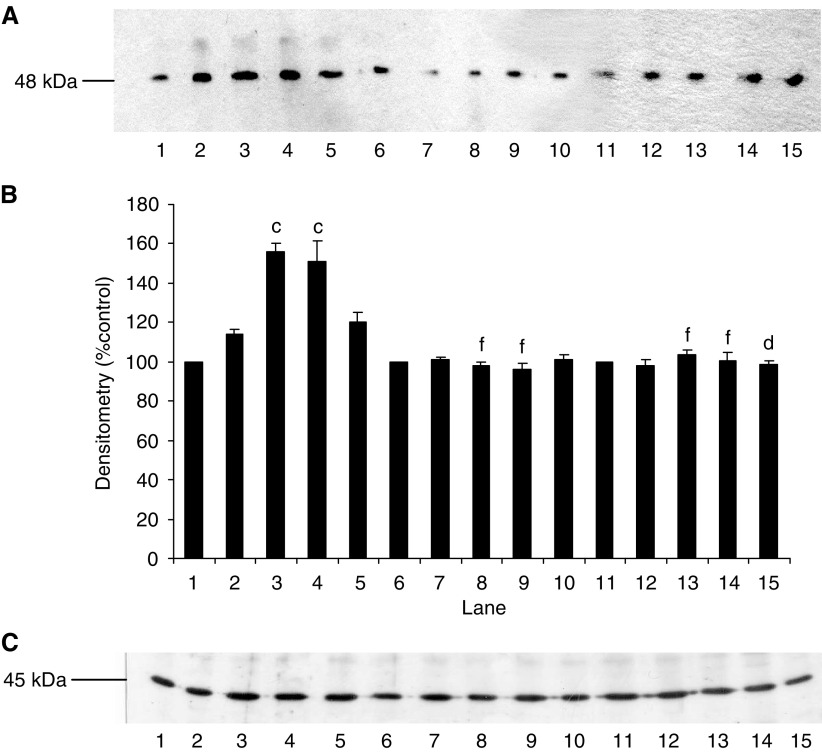
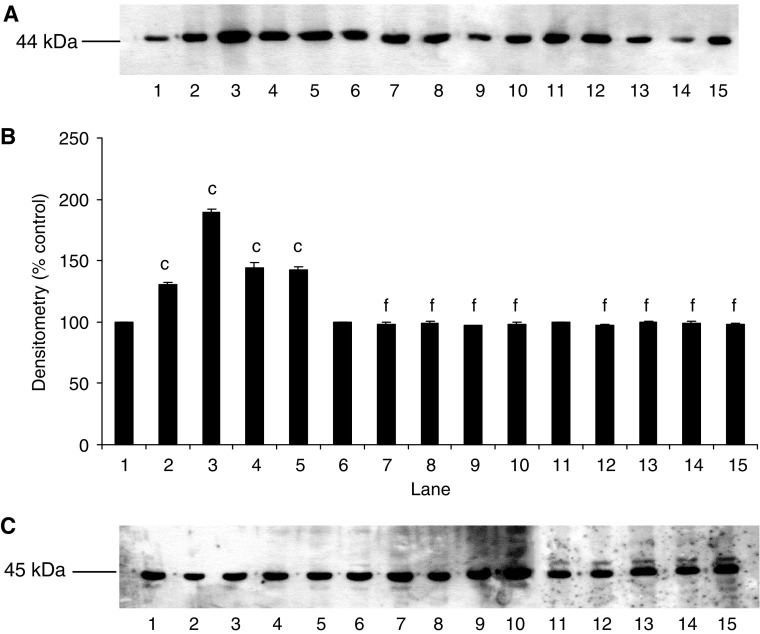
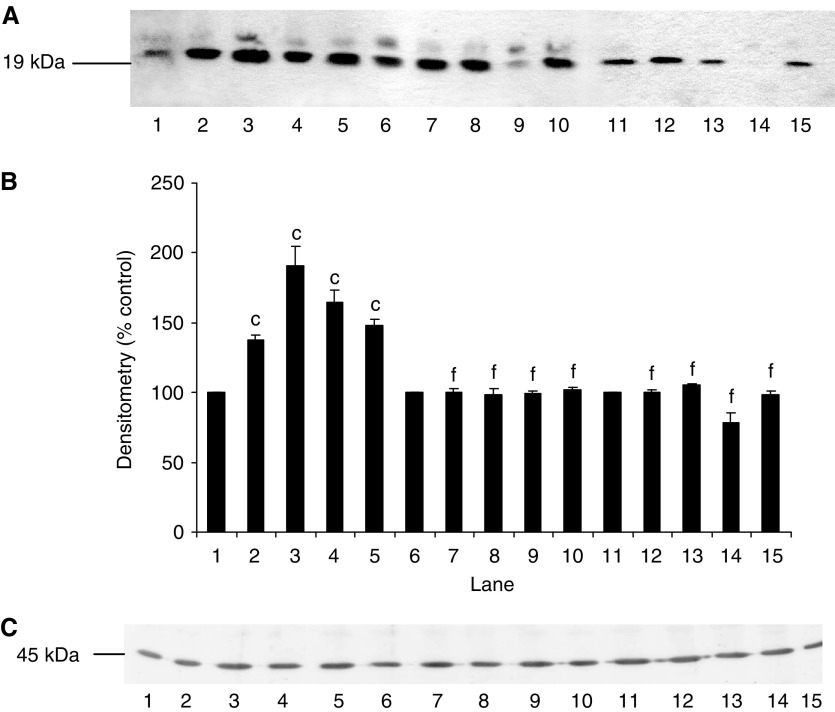
Loss of skeletal muscle in cancer cachexia has a negative effect on both morbidity and mortality. The role of nuclear factor-kappaB (NF-kappaB) in regulating muscle protein degradation and expression of the ubiquitin-proteasome proteolytic pathway in response to a tumour cachectic factor, proteolysis-inducing factor (PIF), has been studied by creating stable, transdominant-negative, muscle cell lines. Murine C(2)C(12) myoblasts were transfected with plasmids with a CMV promoter that had mutations at the serine phosphorylation sites required for degradation of I-kappaBalpha, an NF-kappaB inhibitory protein, and allowed to differentiate into myotubes. Proteolysis-inducing factor induced degradation of I-kappaBalpha, nuclear accumulation of NF-kappaB and an increase in luciferase reporter gene activity in myotubes containing wild-type, but not mutant, I-kappaBalpha proteins. Proteolysis-inducing factor also induced total protein degradation and loss of the myofibrillar protein myosin in myotubes containing wild-type, but not mutant, plasmids at the same concentrations as those causing activation of NF-kappaB. Proteolysis-inducing factor also induced increased expression of the ubiquitin-proteasome pathway, as determined by 'chymotrypsin-like' enzyme activity, the predominant proteolytic activity of the beta-subunits of the proteasome, protein expression of 20S alpha-subunits and the 19S subunits MSS1 and p42, as well as the ubiquitin conjugating enzyme, E2(14k), in cells containing wild-type, but not mutant, I-kappaBalpha. The ability of mutant I-kappaBalpha to inhibit PIF-induced protein degradation, as well as expression of the ubiquitin-proteasome pathway, confirms that both of these responses depend on initiation of transcription by NF-kappaB.
Figures
References
-
- Almawi WY, Melemedjian OK (2002) Negative regulation of nuclear factor-κB activation and function by glucocorticoids. J Mol Endocrinol 28: 69–78 - PubMed
-
- Attaix D, Aurousseau E, Combaret L, Kee A, Larbaud D, Ralliere C, Souveine B, Taillander D, Tilignac T (1998) Ubiquitin–proteasome dependent proteolysis in skeletal muscle. Reprod Nutr Dev 38: 153–165 - PubMed
Publication types
MeSH terms
Substances
LinkOut - more resources
Full Text Sources
Other Literature Sources
