


Ca2+ regulation in the absence of the iplA gene product in Dictyostelium discoideum
- PMID: 15760480
- PMCID: PMC555532
- DOI: 10.1186/1471-2121-6-13
Ca2+ regulation in the absence of the iplA gene product in Dictyostelium discoideum
Abstract
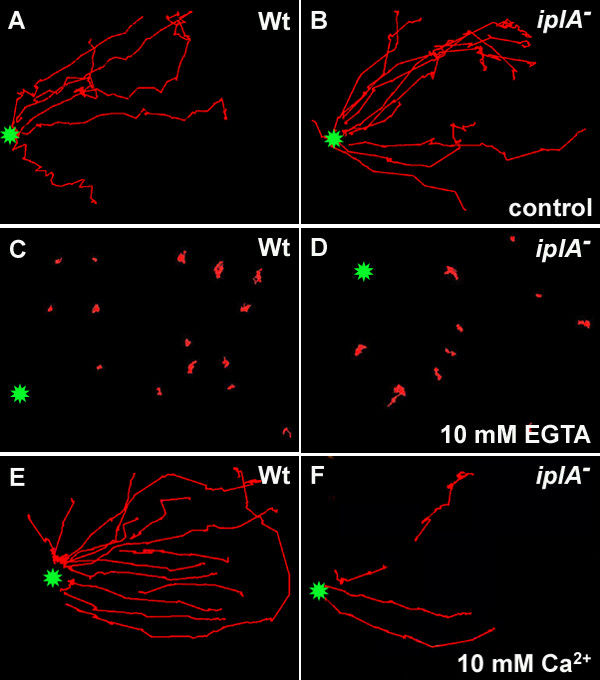
Background: Stimulation of Dictyostelium discoideum with cAMP evokes an elevation of the cytosolic free Ca2+ concentration ([Ca2+]i). The [Ca2+]i-change is composed of liberation of stored Ca2+ and extracellular Ca2+-entry. The significance of the [Ca2+]i-transient for chemotaxis is under debate. Abolition of chemotactic orientation and migration by Ca2+-buffers in the cytosol indicates that a [Ca2+]i-increase is required for chemotaxis. Yet, the iplA- mutant disrupted in a gene bearing similarity to IP3-receptors of higher eukaryotes aggregates despite the absence of a cAMP-induced [Ca2+]i-transient which favours the view that [Ca2+]i-changes are insignificant for chemotaxis.
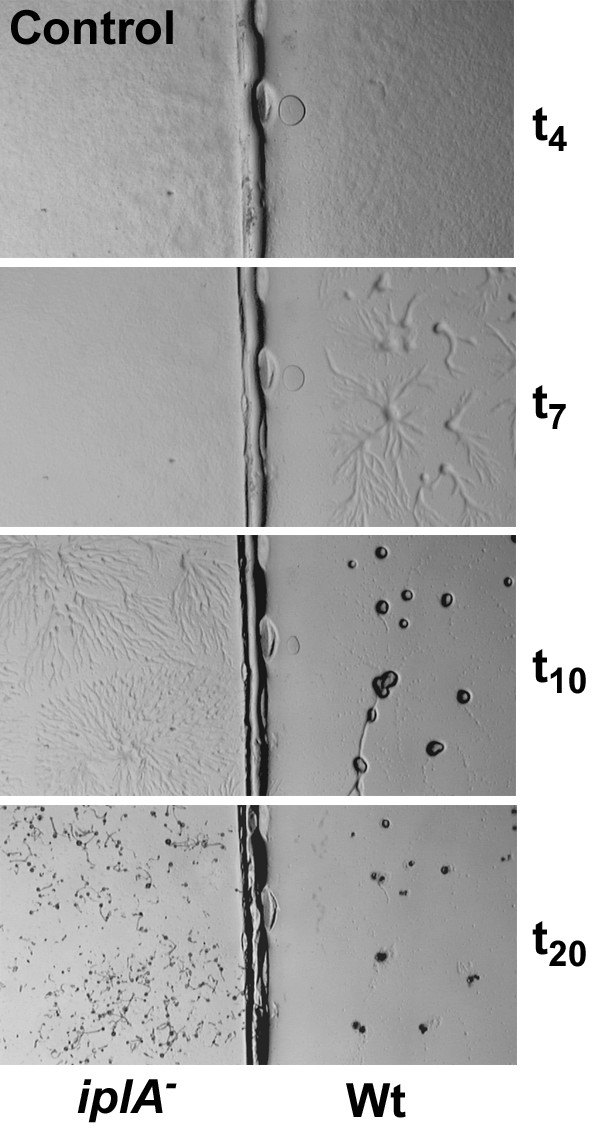
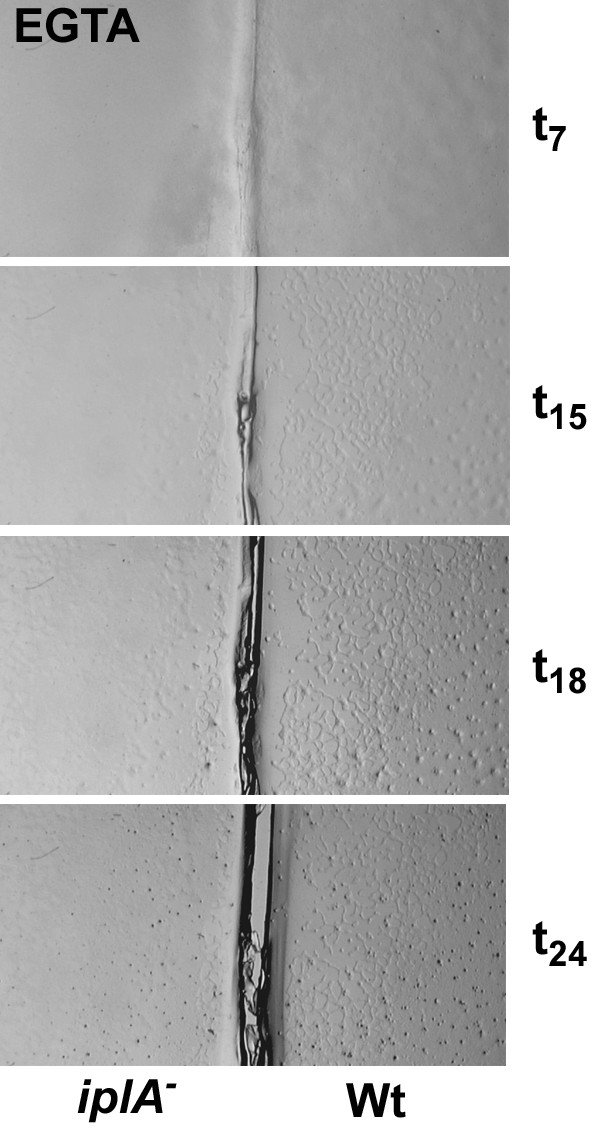
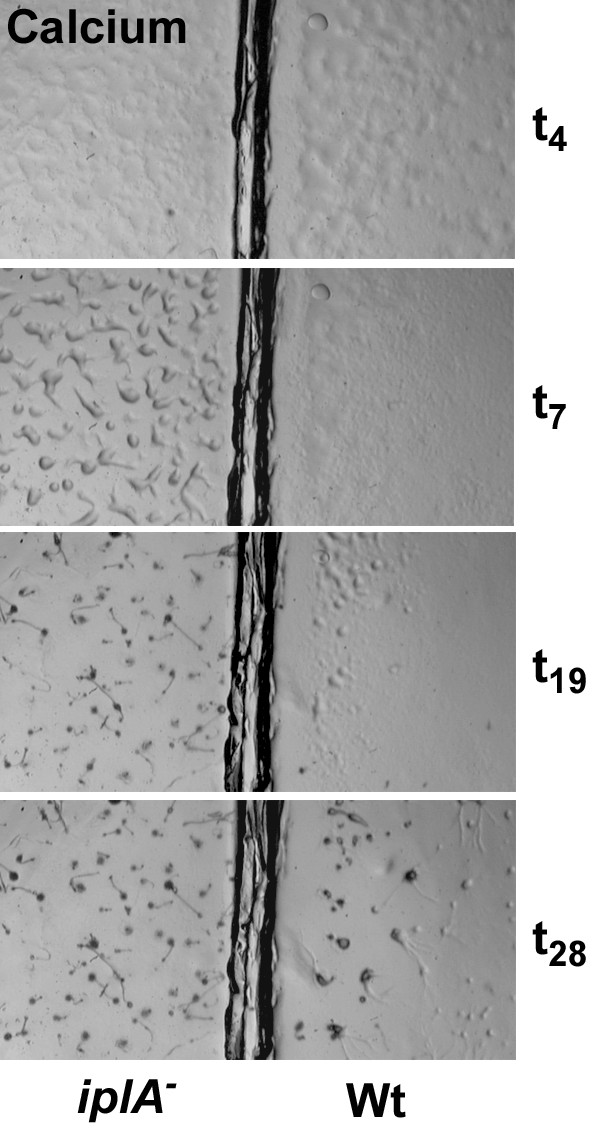
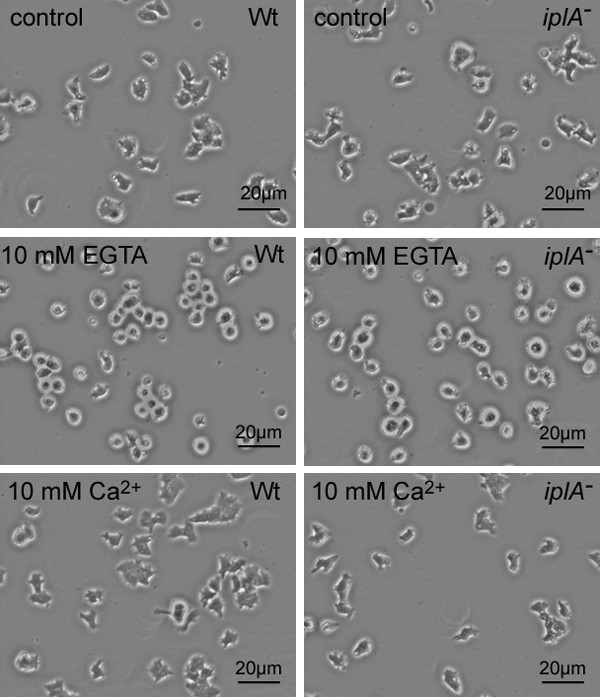
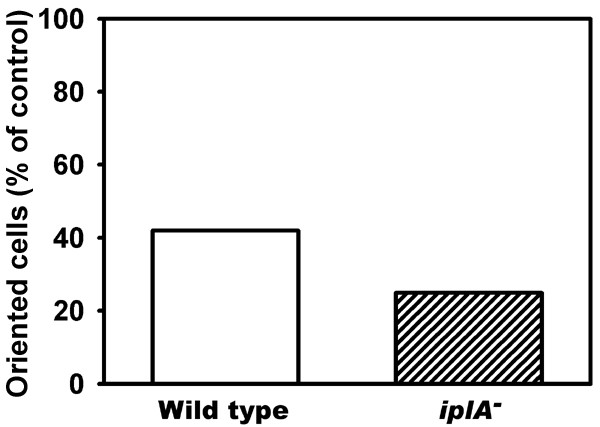
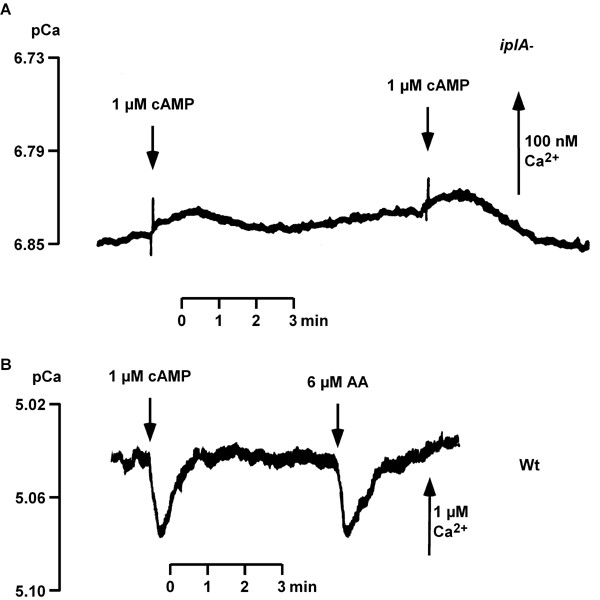
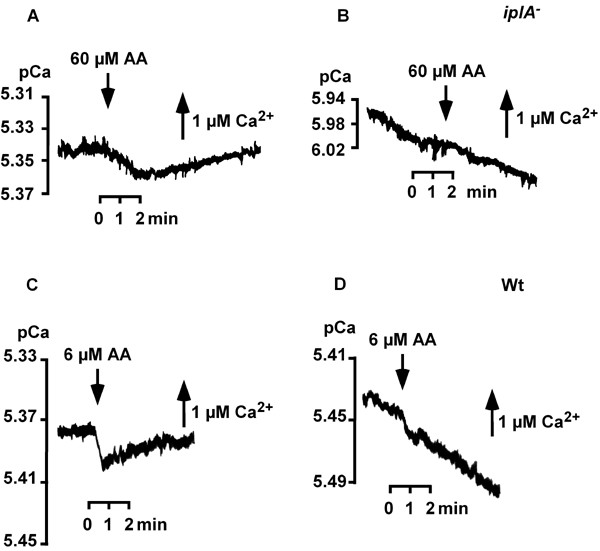
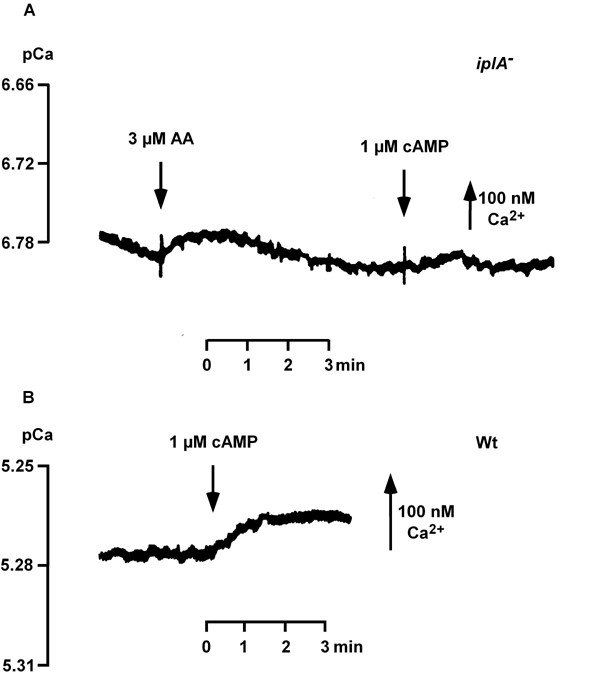
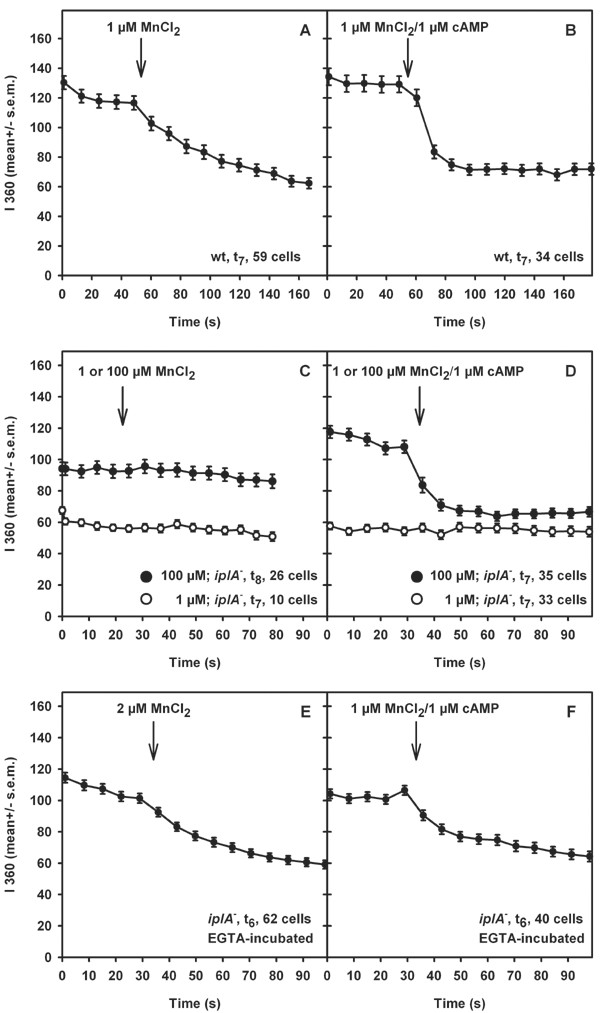
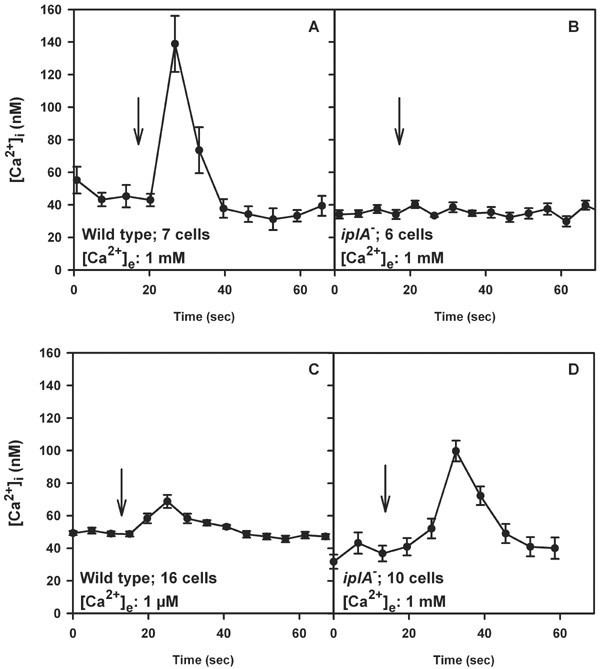
Results: We investigated Ca2+-fluxes and the effect of their disturbance on chemotaxis and development of iplA- cells. Differentiation was altered as compared to wild type amoebae and sensitive towards manipulation of the level of stored Ca2+. Chemotaxis was impaired when [Ca2+]i-transients were suppressed by the presence of a Ca2+-chelator in the cytosol of the cells. Analysis of ion fluxes revealed that capacitative Ca2+-entry was fully operative in the mutant. In suspensions of intact and permeabilized cells cAMP elicited extracellular Ca2+-influx and liberation of stored Ca2+, respectively, yet to a lesser extent than in wild type. In suspensions of partially purified storage vesicles ATP-induced Ca2+-uptake and Ca2+-release activated by fatty acids or Ca2+-ATPase inhibitors were similar to wild type. Mn2+-quenching of fura2 fluorescence allows to study Ca2+-influx indirectly and revealed that the responsiveness of mutant cells was shifted to higher concentrations: roughly 100 times more Mn2+ was necessary to observe agonist-induced Mn2+-influx. cAMP evoked a [Ca2+]i-elevation when stores were strongly loaded with Ca2+, again with a similar shift in sensitivity in the mutant. In addition, basal [Ca2+]i was significantly lower in iplA- than in wild type amoebae.
Conclusion: These results support the view that [Ca2+]i-transients are essential for chemotaxis and differentiation. Moreover, capacitative and agonist-activated ion fluxes are regulated by separate pathways that are mediated either by two types of channels in the plasma membrane or by distinct mechanisms coupling Ca2+-release from stores to Ca2+-entry in Dictyostelium. The iplA- strain retains the capacitative Ca2+-entry pathway and an impaired agonist-activated pathway that operates with reduced efficiency or at higher ionic pressure.
Figures

References
-
- Yumura S, Furuya K, Takeuchi I. Intracellular free calcium responses during chemotaxis of Dictyostelium cells. J Cell Sci. 1996;109:2673–2678. - PubMed
-
- Nebl T, Fisher PR. Intracellular Ca2+ signals in Dictyostelium chemotaxis are mediated exclusively by Ca2+ influx. J Cell Sci. 1997;110:2845–2853. - PubMed
Publication types
MeSH terms
Substances
LinkOut - more resources
Full Text Sources
Molecular Biology Databases
Miscellaneous
