


Inducible nitric oxide synthase-dependent DNA damage in mouse model of inflammatory bowel disease
- PMID: 15771618
- PMCID: PMC11160000
- DOI: 10.1111/j.1349-7006.2005.00024.x
Inducible nitric oxide synthase-dependent DNA damage in mouse model of inflammatory bowel disease
Abstract
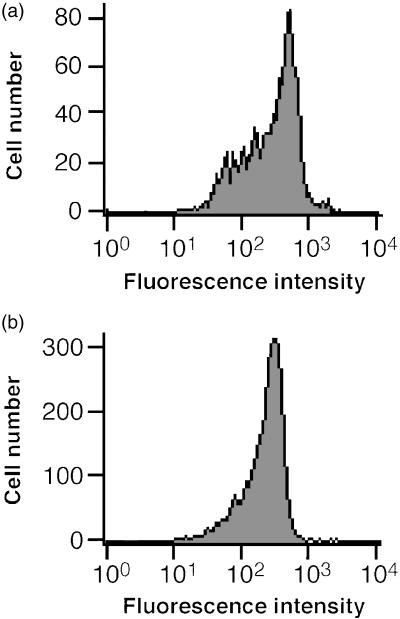
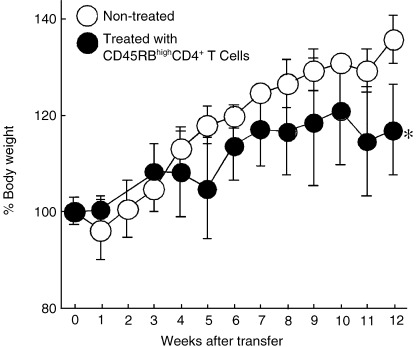
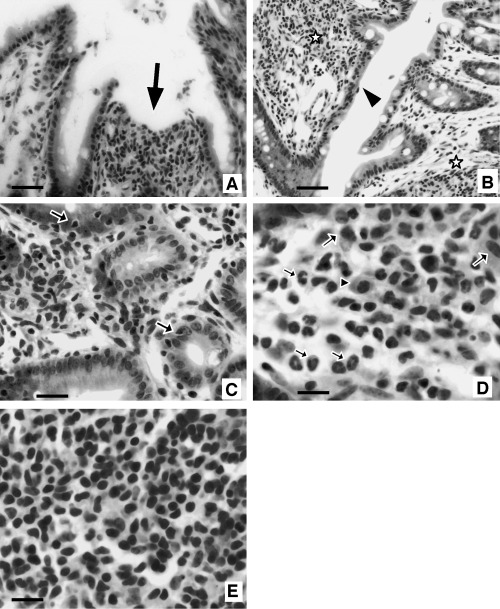
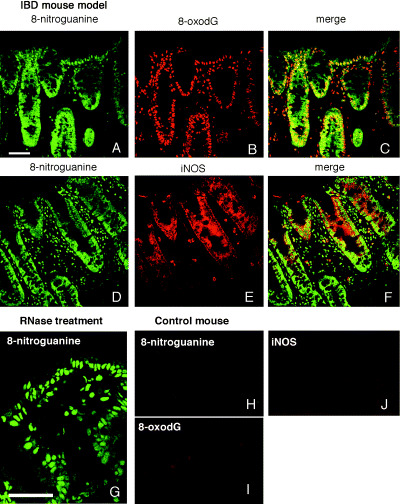
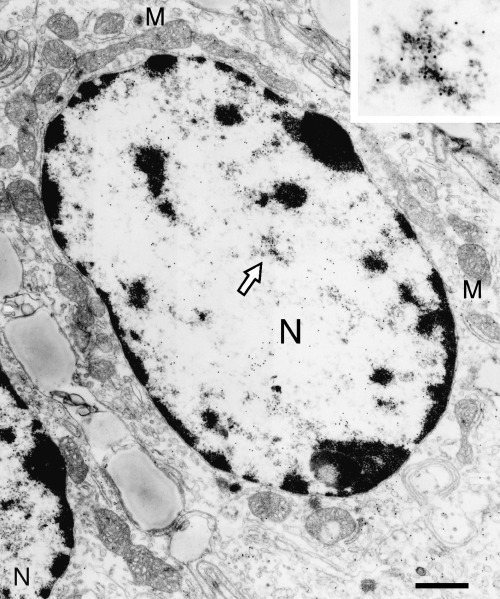
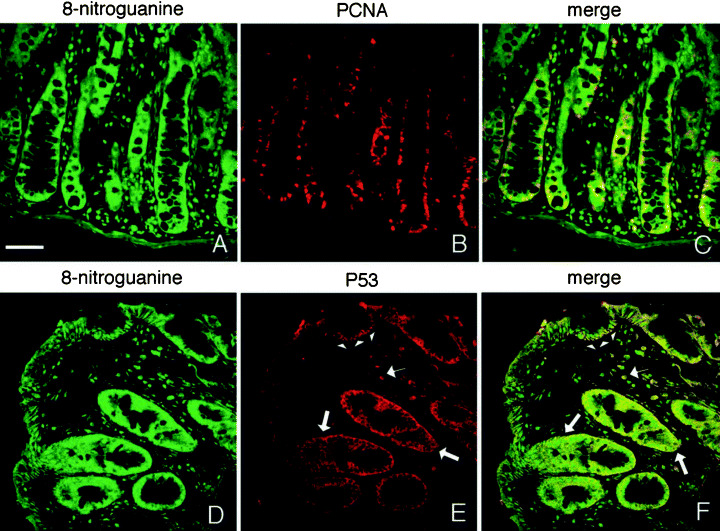
Increased cancer risk occurs in inflammatory bowel disease (IBD) undergoing long-term chronic inflammation. To evaluate whether inducible nitric oxide synthase (iNOS)-dependent DNA damage plays a role in the carcinogenic process triggered by IBD, we prepared a mouse model of IBD induced by transfer of CD45RBhighCD4+ T cells lacking regulatory T cells to female severe combined immunodeficiency (SCID) mice. CD45RBhighCD4+ T cells were isolated from mouse spleen after staining with fluorescein isothiocyanate (FITC)-conjugated anti-CD45RB monoclonal antibody, followed by anti-FITC-conjugated microbeads. This IBD mouse model showed that the bodyweight increased with aging to a lesser extent than non-treated controls, and that the intestine was shortened. Pathological findings of this mouse model, which showed severe inflammation in colon tissues, were similar to IBD patients. Double immunofluorescence technique revealed that both 8-nitroguanine and 8-oxo-7,8-dihydro-2'-deoxyguanosine (8-oxodG) were formed mainly in epithelial cells of the IBD mouse model. 8-Nitroguanine was formed in most of 8-oxodG-immunoreactive nuclei of epithelial cells. iNOS, proliferating cell nuclear antigen and p53 protein were also expressed in the colon epithelium. These results indicate that nitrative DNA damage, as well as oxidative DNA damage, is induced in colon epithelial cells of the IBD mouse model followed by proliferation of these cells, which may contribute to colon carcinogenesis.
Figures
References
-
- Podolsky DK. Inflammatory bowel disease. N Engl J Med 2002; 347: 417–29. - PubMed
-
- Bouma G, Strober W. The immunological and genetic basis of inflammatory bowel disease. Nat Rev Immunol 2003; 3: 521–33. - PubMed
-
- Ekbom A, Helmick C, Zack M, Adami HO. Increased risk of large‐bowel cancer in Crohn's disease with colonic involvement. Lancet 1990; 336: 357–9. - PubMed
-
- Langholz E, Munkholm P, Davidsen M, Binder V. Colorectal cancer risk and mortality in patients with ulcerative colitis. Gastroenterology 1992; 103: 1444–51. - PubMed
Publication types
MeSH terms
Substances
LinkOut - more resources
Full Text Sources
Research Materials
Miscellaneous
