Differential detection of five mouse-infecting helicobacter species by multiplex PCR
- PMID: 15817762
- PMCID: PMC1074391
- DOI: 10.1128/CDLI.12.4.531-536.2005
Differential detection of five mouse-infecting helicobacter species by multiplex PCR
Abstract
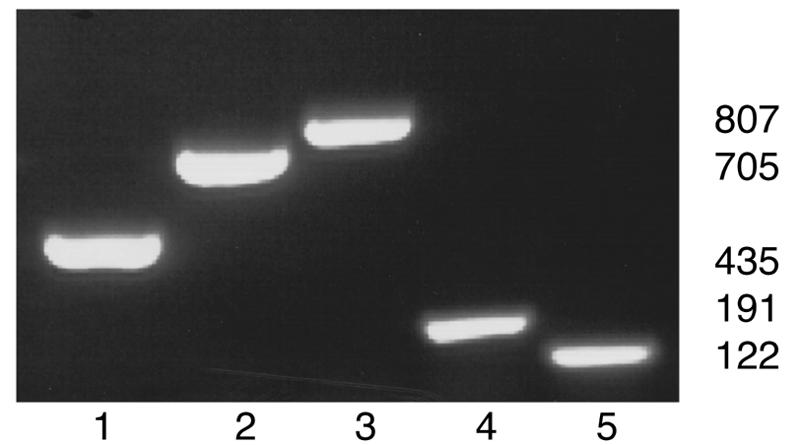
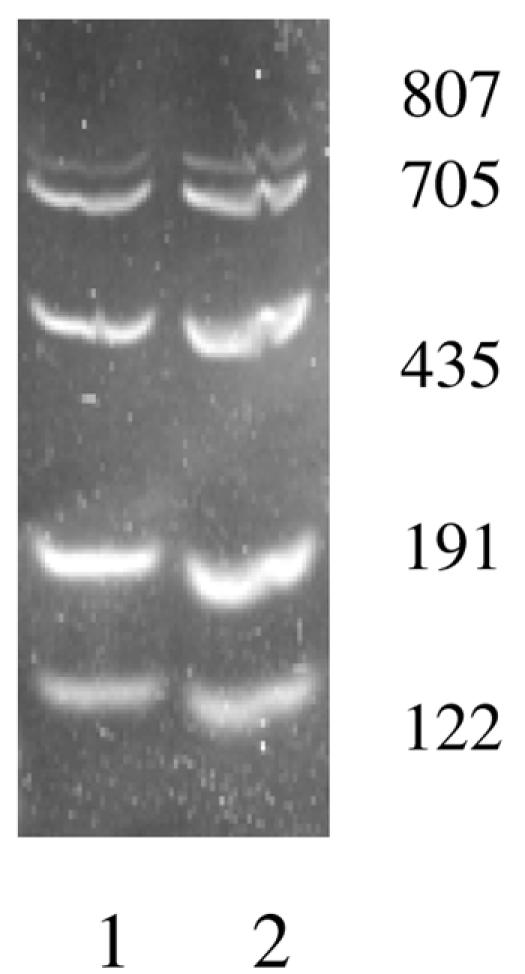
Several species of helicobacter have been isolated from laboratory mice, including H. bilis, H. hepaticus, H. muridarum, H. rodentium, and H. typhlonius, which appear to be the most common. The most widely used published method for molecular detection of these agents is PCR amplification of a conserved region of 16S rRNA, but differential speciation requires restriction enzyme digestion of the amplicons. This study was undertaken to determine PCR conditions that would simultaneously and specifically identify each of the five common species without restriction enzyme analyses. First, we designed novel and specific PCR primers for H. bilis, H. hepaticus, H. muridarum, H. rodentium, and H. typhlonius, using sequences from the heterologous regions of 16S rRNA. Because of comigration of amplified products, we next identified P17, an H. bilis-specific protein; P25, an H. hepaticus-specific protein; and P30, an H. muridarum-specific protein by screening genomic DNA expression libraries of each species. Primers were designed from these three genes, plus newly designed, species-specific 16S rRNA primers for H. rodentium and H. typhlonius that could be utilized for a five-plex PCR. The sizes of the amplicons from H. bilis, H. hepaticus, H. muridarum, H. rodentium, and H. typhlonius were 435, 705, 807, 191, and 122 bp, respectively, allowing simultaneous detection and effective discrimination among species.
Figures
References
-
- Drazenovich, N. L., C. L. Franklin, R. S. Livingston, and D. G. Besselsen. 2002. Detection of rodent Helicobacter spp. by use of fluorogenic nuclease polymerase chain reaction assays. Comp. Med. 52:347-353. - PubMed
Publication types
MeSH terms
Substances
Grants and funding
LinkOut - more resources
Full Text Sources
Molecular Biology Databases