


Antimicrobial activity and membrane selective interactions of a synthetic lipopeptide MSI-843
- PMID: 15904663
- PMCID: PMC1550341
- DOI: 10.1016/j.bbamem.2005.02.010
Antimicrobial activity and membrane selective interactions of a synthetic lipopeptide MSI-843
Abstract
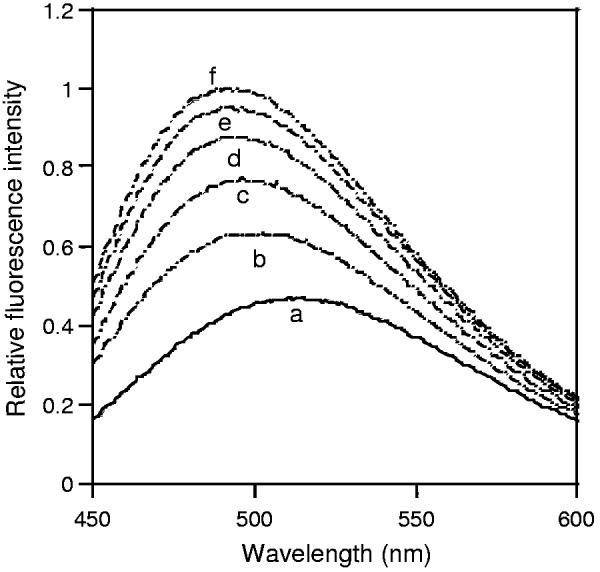
Lipopeptide MSI-843 consisting of the nonstandard amino acid ornithine (Oct-OOLLOOLOOL-NH2) was designed with an objective towards generating non-lytic short antimicrobial peptides, which can have significant pharmaceutical applications. Octanoic acid was coupled to the N-terminus of the peptide to increase the overall hydrophobicity of the peptide. MSI-843 shows activity against bacteria and fungi at micromolar concentrations. It permeabilizes the outer membrane of Gram-negative bacterium and a model membrane mimicking bacterial inner membrane. Circular dichroism investigations demonstrate that the peptide adopts alpha-helical conformation upon binding to lipid membranes. Isothermal titration calorimetry studies suggest that the peptide binding to membranes results in exothermic heat of reaction, which arises from helix formation and membrane insertion of the peptide. 2H NMR of deuterated-POPC multilamellar vesicles shows the peptide-induced disorder in the hydrophobic core of bilayers. 31P NMR data indicate changes in the lipid head group orientation of POPC, POPG and Escherichia colitotal lipid bilayers upon peptide binding. Results from 31P NMR and dye leakage experiments suggest that the peptide selectively interacts with anionic bilayers at low concentrations (up to 5 mol%). Differential scanning calorimetry experiments on DiPOPE bilayers and 31P NMR data from E.coli total lipid multilamellar vesicles indicate that MSI-843 increases the fluid lamellar to inverted hexagonal phase transition temperature of bilayers by inducing positive curvature strain. Combination of all these data suggests the formation of a lipid-peptide complex resulting in a transient pore as a plausible mechanism for the membrane permeabilization and antimicrobial activity of the lipopeptide MSI-843.
Figures


References
-
- Zasloff M. Antimicrobial peptides of multi-cellular organisms. Nature. 2002;415:389–395. - PubMed
-
- Devine DA, Hancock REW. Cationic peptides: distribution and mechanisms of resistance. Curr. Pharm. Des. 2002;8:703–714. - PubMed
-
- Maloy WL, Kari UP. Structure–activity studies on magainins and other host defense peptides. Biopolymers. 1995;37:105–122. - PubMed
-
- Matsuzaki K. Why and how are peptide–lipid interactions utilized for self-defense? Magainins and tachyplesins as archetypes. Biochim. Biophys. Acta. 1999;1462:1–10. - PubMed
-
- Shai Y. From innate immunity to de-novo designed antimicrobial peptides. Curr. Pharm. Des. 2002;8:715–725. - PubMed
Publication types
MeSH terms
Substances
Grants and funding
LinkOut - more resources
Full Text Sources
Other Literature Sources
Medical
