


A relevant in vitro rat model for the evaluation of blood-brain barrier translocation of nanoparticles
- PMID: 15905957
- PMCID: PMC2773840
- DOI: 10.1007/s00018-005-5094-3
A relevant in vitro rat model for the evaluation of blood-brain barrier translocation of nanoparticles
Abstract
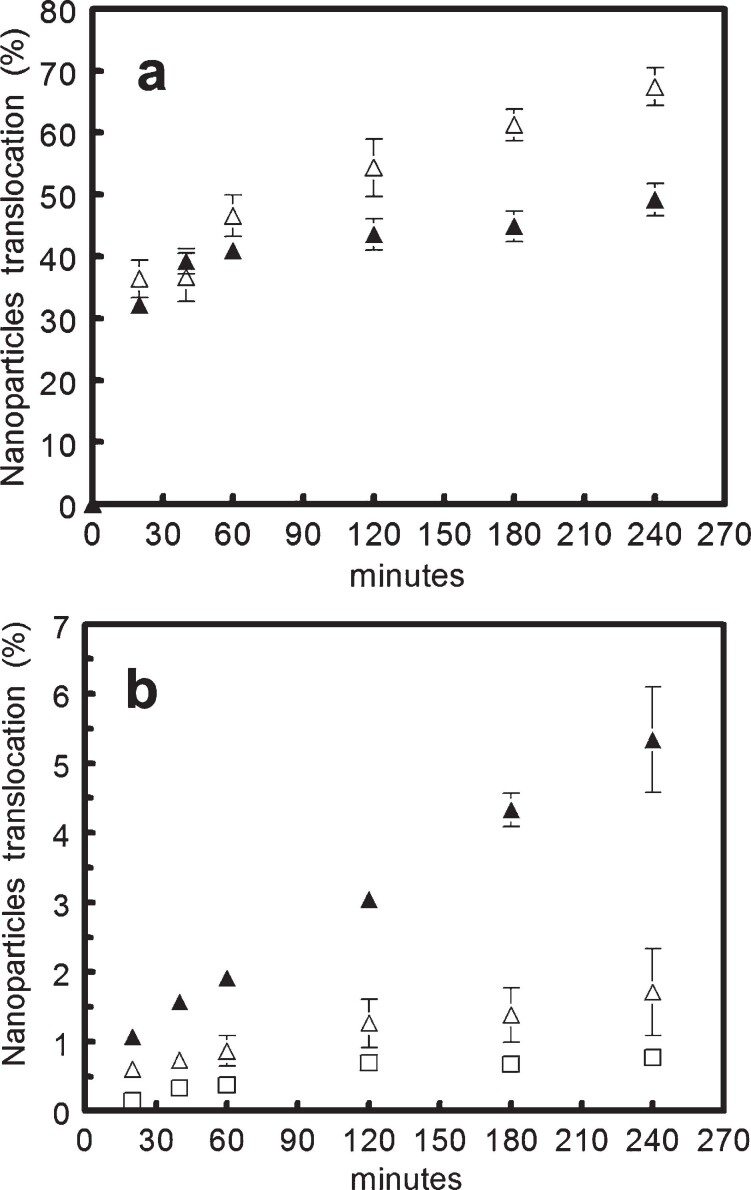
Poly(MePEG2000cyanoacrylate-co-hexadecylcyanoacrylate) (PEG-PHDCA) nanoparticles have demonstrated their capacity to reach the rat central nervous system after intravenous injection. For insight into the transport of colloidal systems across the blood-brain barrier (BBB), we developed a relevant in vitro rat BBB model consisting of a coculture of rat brain endothelial cells (RBECs) and rat astrocytes. The RBECs used in our model displayed and retained structural characteristics of brain endothelial cells, such as expression of P-glycoprotein, occludin and ZO-1, and immunofluorescence studies showed the specific localization of occludin and ZO1. The high values of transendothelial electrical resistance and low permeability coefficients of marker molecules demonstrated the functionality of this model. The comparative passage of polyhexadecylcyanoacrylate and PEG-PHDCA nanoparticles through this model was investigated, showing a higher passage of PEGylated nanoparticles, presumably by endocytosis. This result was confirmed by confocal microscopy. Thanks to a good in vitro/in vivo correlation, this rat BBB model will help in understanding the mechanisms of nanoparticle translocation and in designing new types of colloidal carriers as brain delivery systems.
Figures




References
-
- Alyautdin R. N., Tezikov E. B., Ramge P., Kharkevich D. A., Begley D. J., Kreuter J. Significant entry of tubocurarine into the brain of rats by adsorption to polysorbate 80-coated polybutylcyanoacrylate nanoparticles: an in situ brain perfusion study. J. Microencapsul. 1998;15:67–74. doi: 10.3109/02652049809006836. - DOI - PubMed
Publication types
MeSH terms
Substances
LinkOut - more resources
Full Text Sources
