


Phase I study of hepatic arterial melphalan infusion and hepatic venous hemofiltration using percutaneously placed catheters in patients with unresectable hepatic malignancies
- PMID: 15908655
- PMCID: PMC2374756
- DOI: 10.1200/JCO.2005.00.927
Phase I study of hepatic arterial melphalan infusion and hepatic venous hemofiltration using percutaneously placed catheters in patients with unresectable hepatic malignancies
Abstract
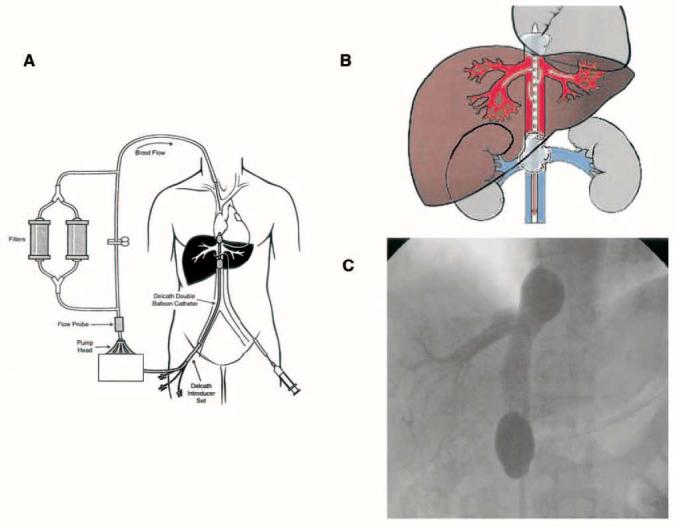
Purpose: We conducted a phase I study of a 30-minute hepatic artery infusion of melphalan via a percutaneously placed catheter and hepatic venous hemofiltration using a double balloon catheter positioned in the retrohepatic inferior vena cava to shunt hepatic venous effluent through an activated charcoal filter and then to the systemic circulation. The purpose of the study was to demonstrate feasibility in an initial cohort and subsequently determine the maximum tolerated dose and dose-limiting toxicity of melphalan.
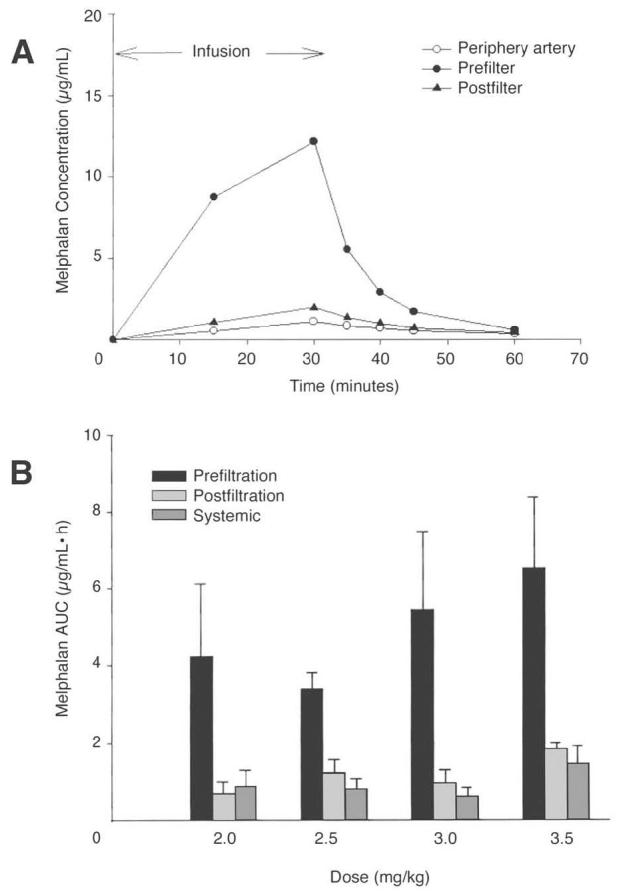
Patients and methods: The initial cohort (n = 12) was treated with 2.0 mg/kg of melphalan before dose escalation to 3.5 mg/kg (n = 16). Total hepatic drug delivery, systemic levels, and percent filter efficiency were determined. Patients were assessed for hepatic and systemic toxicity and response.
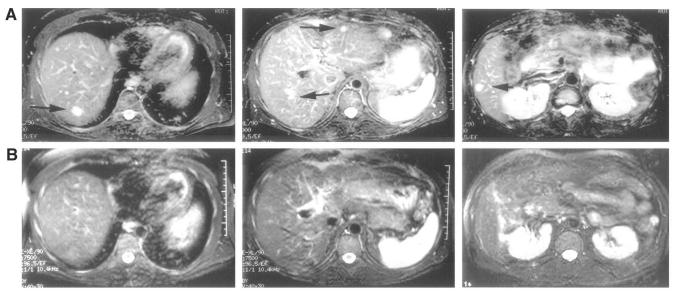
Results: A total of 74 treatments were administered to 28 patients. Twelve patients with primary and metastatic hepatic tumors received 30 treatments (mean, 2.5 per patient) at an initial melphalan dose of 2.0 mg/kg. At 3.5 mg/kg, a dose-limiting toxicity (neutropenia and/or thrombocytopenia) was observed in two of six patients. Transient grade 3/4 hepatic and systemic toxicity was seen after 19% and 66% of treatments, respectively. An overall radiographic response rate of 30% was observed in treated patients. In the 10 patients with ocular melanoma, a 50% overall response rate was observed, including two complete responses.
Conclusion: Delivery of melphalan via this system is feasible, with limited, manageable toxicity and evidence of substantial antitumor activity; 3 mg/kg is the maximum safe tolerated dose of melphalan administered via this technique.
Figures
References
-
- Jemal A, Murray T, Samuels A, et al. Cancer statistics, 2003. CA Cancer J Clin. 2003;53:5–26. - PubMed
-
- Rothenberg MC, Oza AM, Bigelow RH, et al. Superiority of oxaliplatin and fluourouracilleucovorin compared with either therapy alone in patients with progressive colorectal cancer after irinotecan and fluorouracil-leucovorin: Interim results of a phase III trial. J Clin Oncol. 2003;21:2059–2069. - PubMed
-
- Kemeny N, Gonen M, Sullivan D, et al. Phase I study of hepatic arterial infusion of floxuridine and dexamethasone with systemic irinotecan for unresectable hepatic metastases from colorectal cancer. J Clin Oncol. 2001;19:2687–2695. - PubMed
-
- Egan KM, Seddon JM, Glynn RJ, et al. Epidemiologic aspects of uveal melanoma. Surv Ophthalmol. 1988;32:239–251. - PubMed
-
- Gragoudas ES, Egan KM, Seddon JM, et al. Survival of patients with metastases from uveal melanoma. Ophthalmology. 1991;98:383–390. - PubMed
Publication types
MeSH terms
Substances
Grants and funding
LinkOut - more resources
Full Text Sources
Other Literature Sources
Medical
