


Regulation of bone mass, bone loss and osteoclast activity by cannabinoid receptors
- PMID: 15908955
- PMCID: PMC1430341
- DOI: 10.1038/nm1255
Regulation of bone mass, bone loss and osteoclast activity by cannabinoid receptors
Abstract
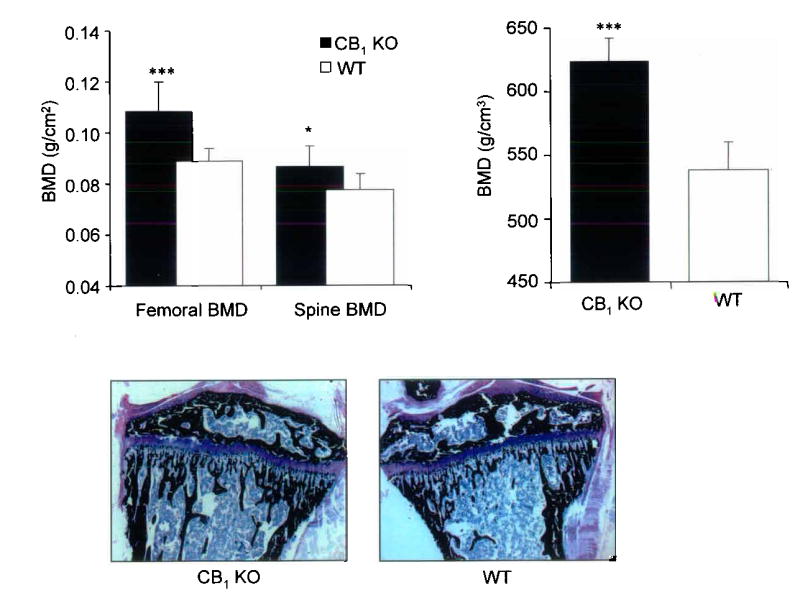
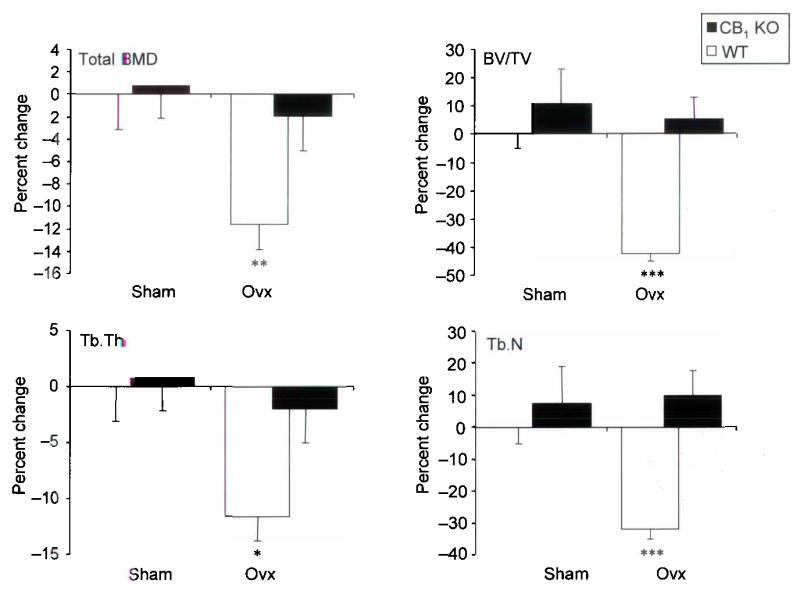
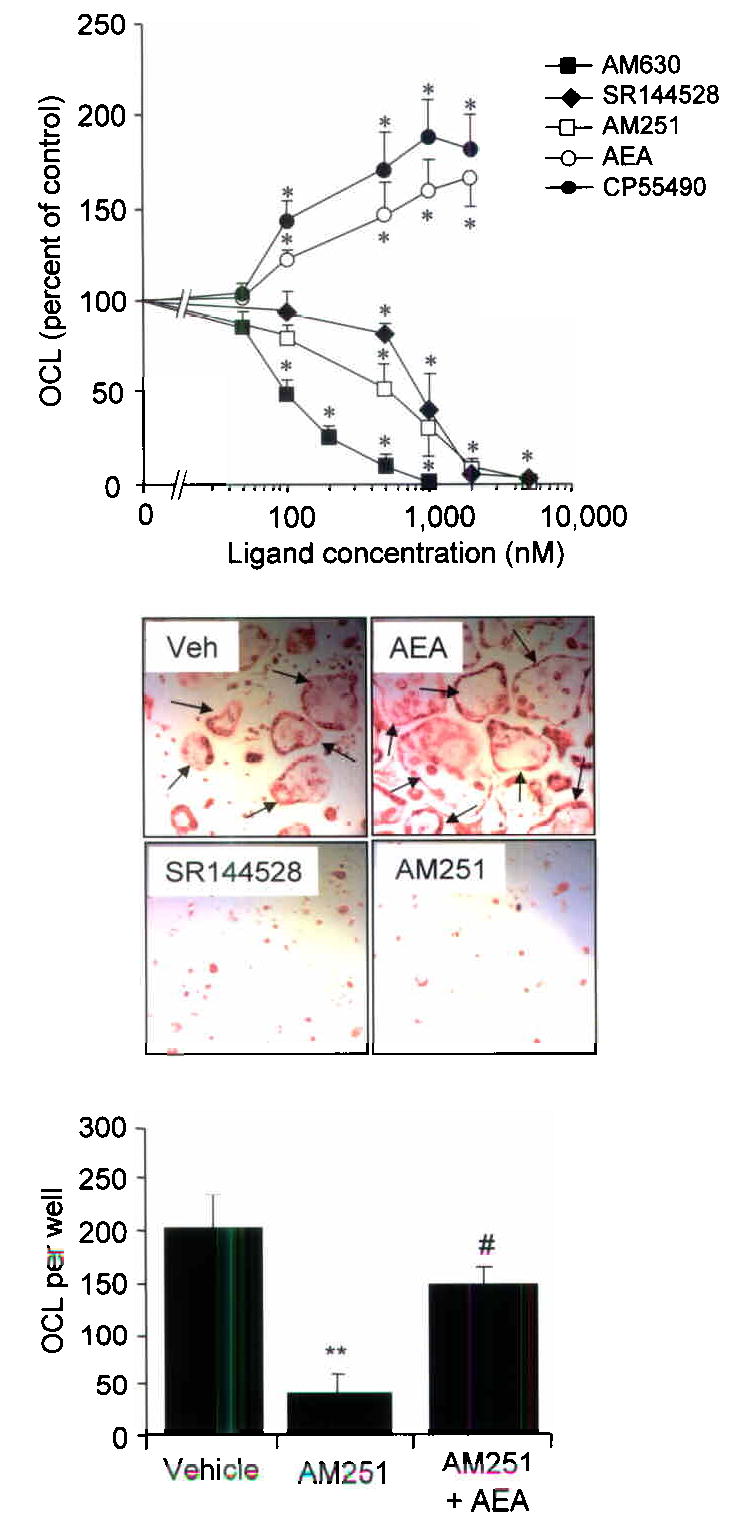
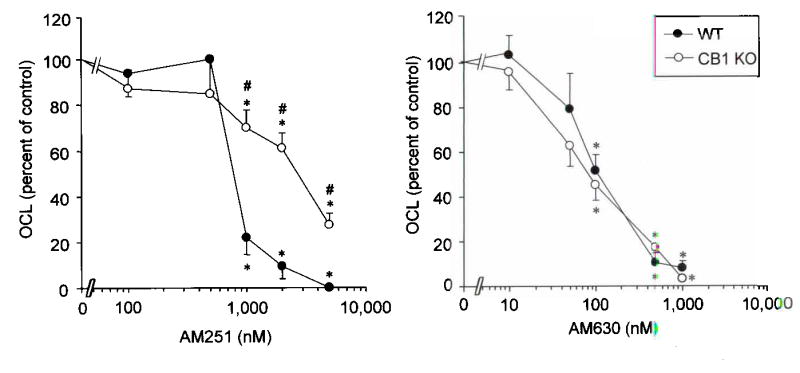
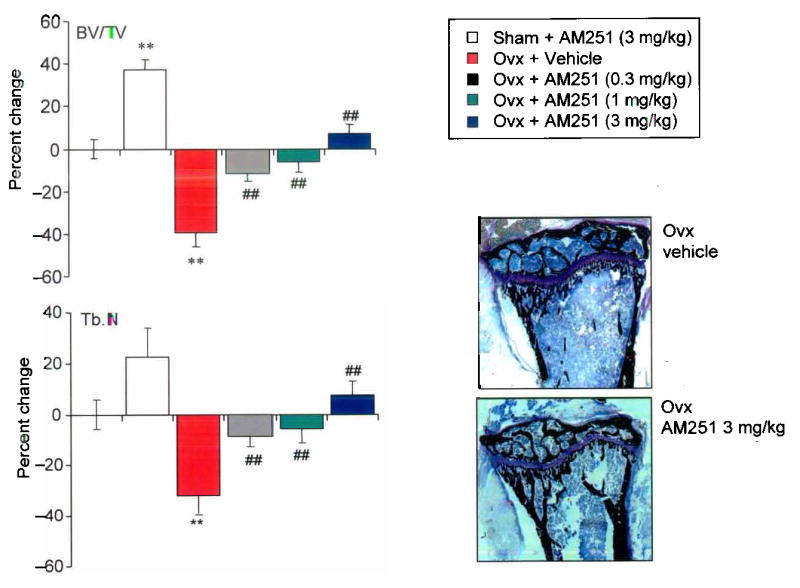
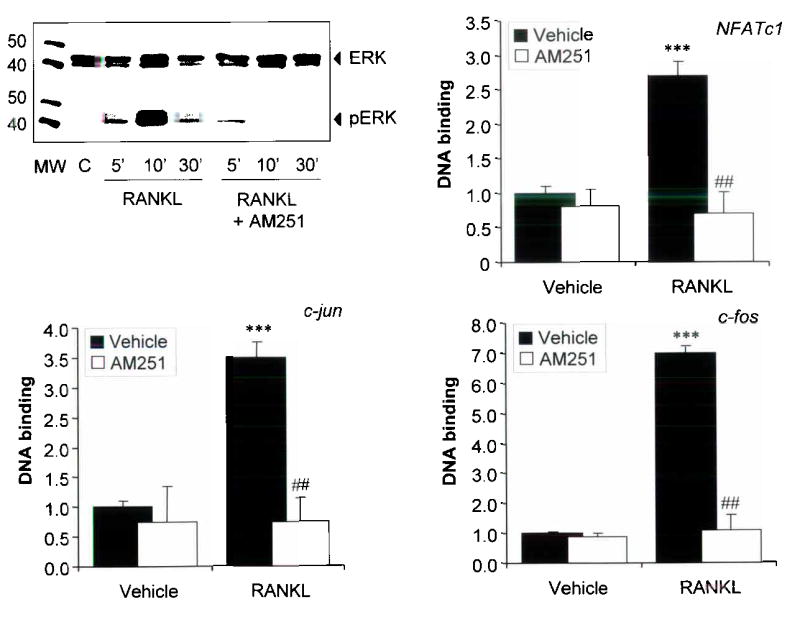
Accelerated osteoclastic bone resorption has a central role in the pathogenesis of osteoporosis and other bone diseases. Identifying the molecular pathways that regulate osteoclast activity provides a key to understanding the causes of these diseases and to the development of new treatments. Here we show that mice with inactivation of cannabinoid type 1 (CB1) receptors have increased bone mass and are protected from ovariectomy-induced bone loss. Pharmacological antagonists of CB1 and CB2 receptors prevented ovariectomy-induced bone loss in vivo and caused osteoclast inhibition in vitro by promoting osteoclast apoptosis and inhibiting production of several osteoclast survival factors. These studies show that the CB1 receptor has a role in the regulation of bone mass and ovariectomy-induced bone loss and that CB1- and CB2-selective cannabinoid receptor antagonists are a new class of osteoclast inhibitors that may be of value in the treatment of osteoporosis and other bone diseases.
Figures
References
-
- Teitelbaum SL. Bone resorption by osteoclasts. Science. 2000;289:1504–1508. - PubMed
-
- Helfrich MH. Osteoclast diseases. MicroscResTech. 2003;61:514–532. - PubMed
-
- Rodan GA, Martin TJ. Therapeutic approaches to bone diseases. Science. 2000;289:1508–1514. - PubMed
-
- Khosla S. Minireview: The OPG/RANKL/RANK System. Endocrinology. 2001;142:5050–5055. - PubMed
Publication types
MeSH terms
Substances
Grants and funding
LinkOut - more resources
Full Text Sources
Other Literature Sources
Molecular Biology Databases
