


Epigenetic transgenerational actions of endocrine disruptors and male fertility
- PMID: 15933200
- PMCID: PMC11423801
- DOI: 10.1126/science.1108190
Epigenetic transgenerational actions of endocrine disruptors and male fertility
Erratum in
- Science. 2010 May 7;328(5979):690
Abstract
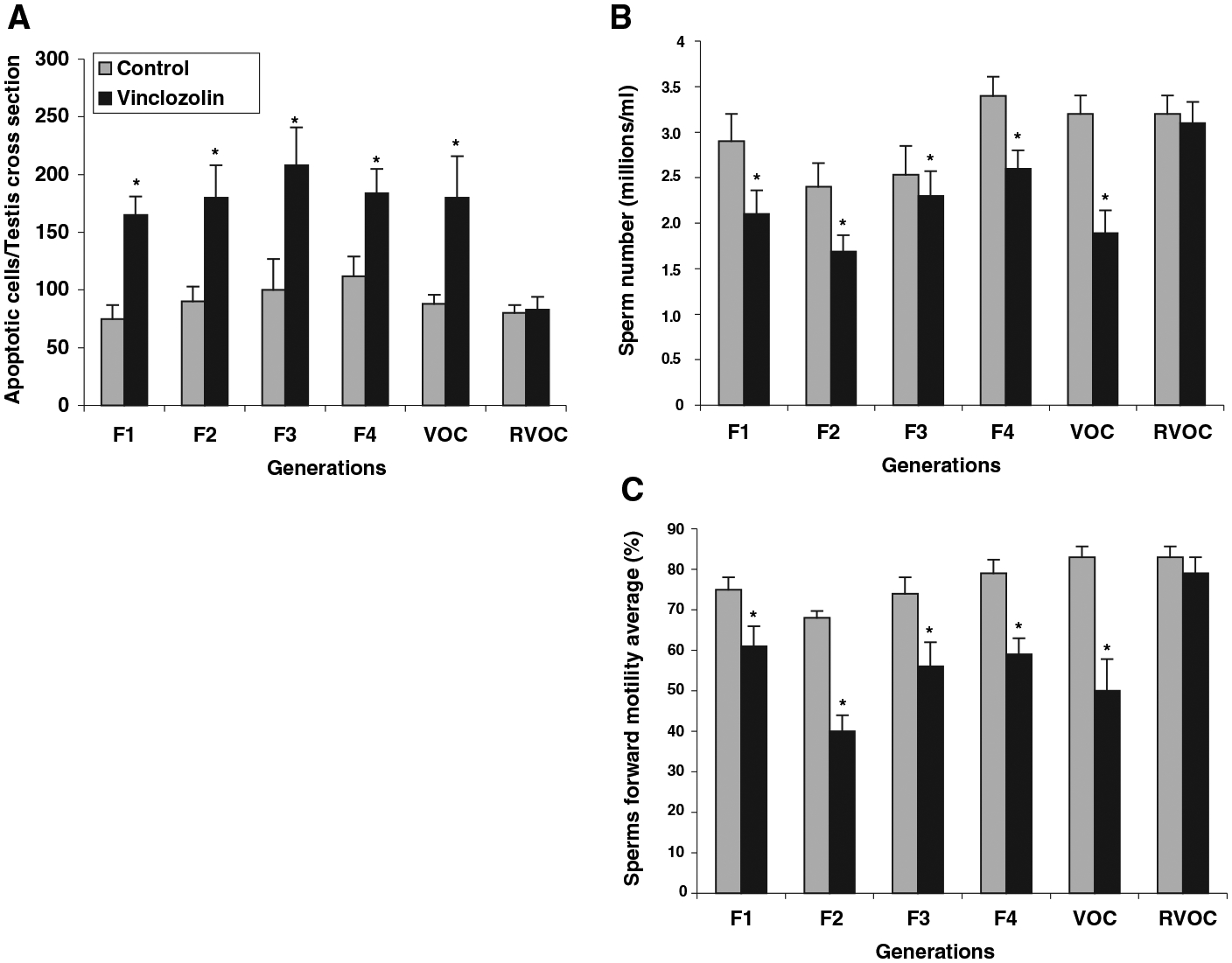
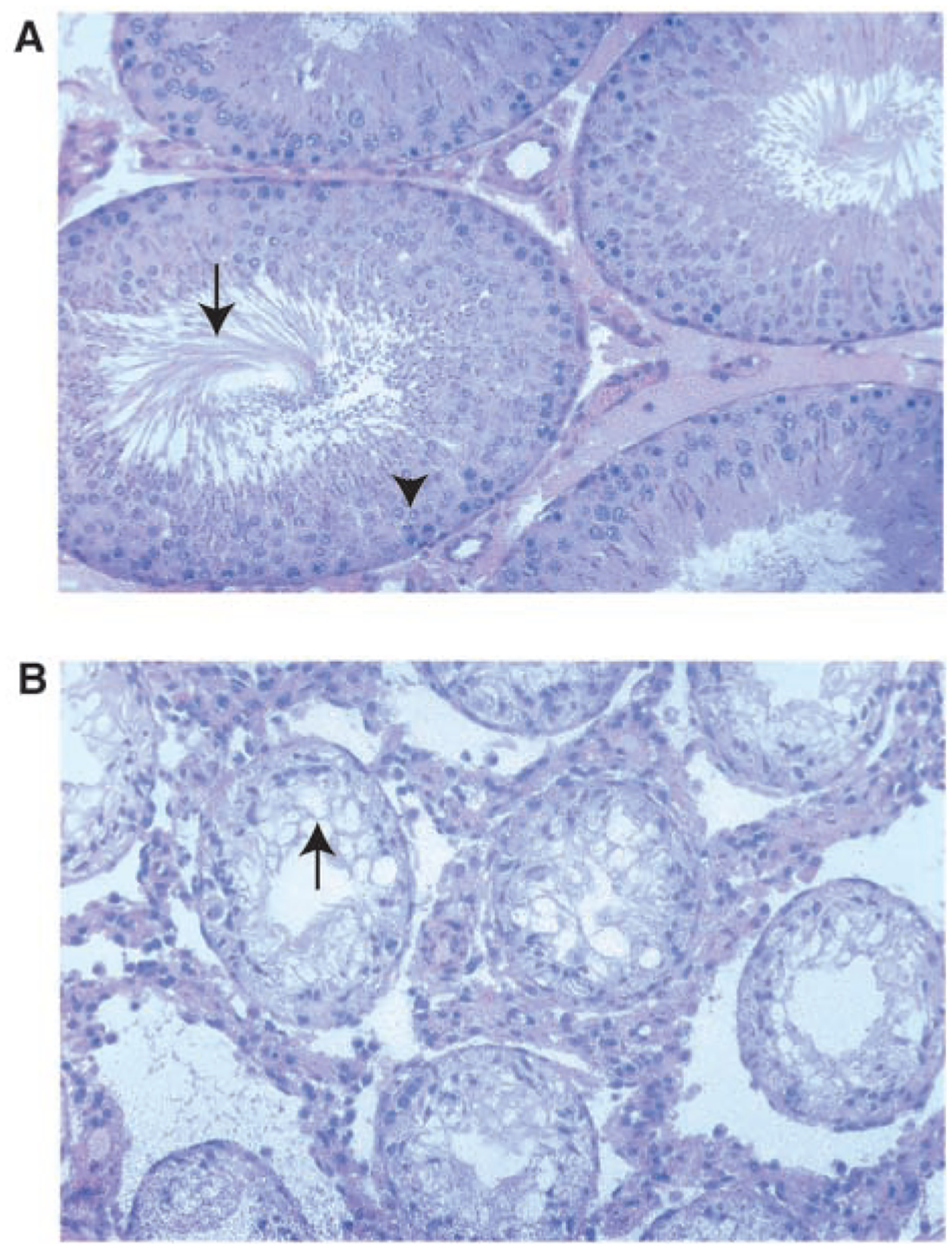
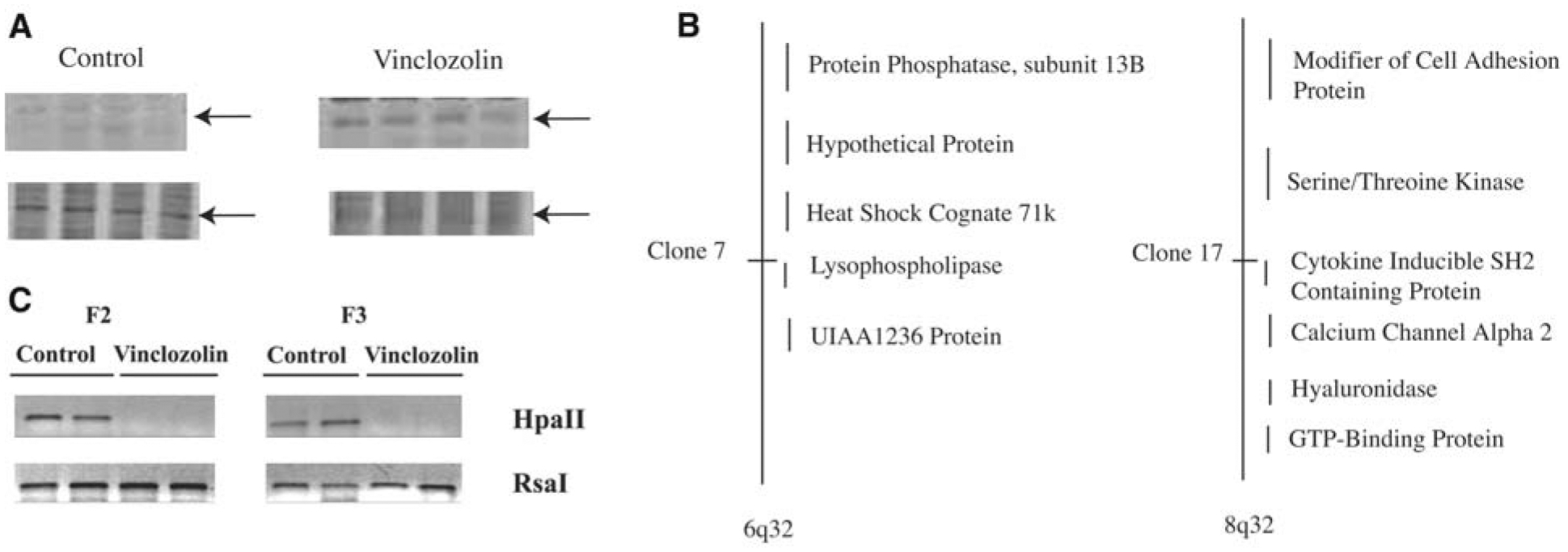
Transgenerational effects of environmental toxins require either a chromosomal or epigenetic alteration in the germ line. Transient exposure of a gestating female rat during the period of gonadal sex determination to the endocrine disruptors vinclozolin (an antiandrogenic compound) or methoxychlor (an estrogenic compound) induced an adult phenotype in the F1 generation of decreased spermatogenic capacity (cell number and viability) and increased incidence of male infertility. These effects were transferred through the male germ line to nearly all males of all subsequent generations examined (that is, F1 to F4). The effects on reproduction correlate with altered DNA methylation patterns in the germ line. The ability of an environmental factor (for example, endocrine disruptor) to reprogram the germ line and to promote a transgenerational disease state has significant implications for evolutionary biology and disease etiology.
Figures
Comment in
-
Developmental biology. Endocrine disrupters trigger fertility problems in multiple generations.Science. 2005 Jun 3;308(5727):1391-2. doi: 10.1126/science.308.5727.1391a. Science. 2005. PMID: 15933166 No abstract available.
References
Publication types
MeSH terms
Substances
Grants and funding
LinkOut - more resources
Full Text Sources
Other Literature Sources
Medical
