


Metal-enhanced fluorescence using anisotropic silver nanostructures: critical progress to date
- PMID: 15937664
- PMCID: PMC6844248
- DOI: 10.1007/s00216-005-3195-3
Metal-enhanced fluorescence using anisotropic silver nanostructures: critical progress to date
Abstract
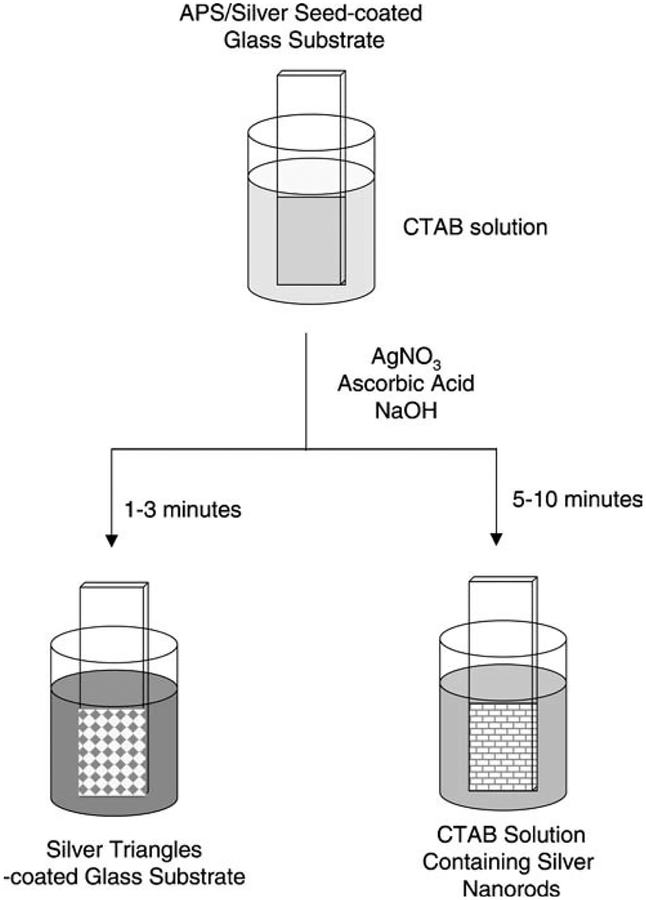
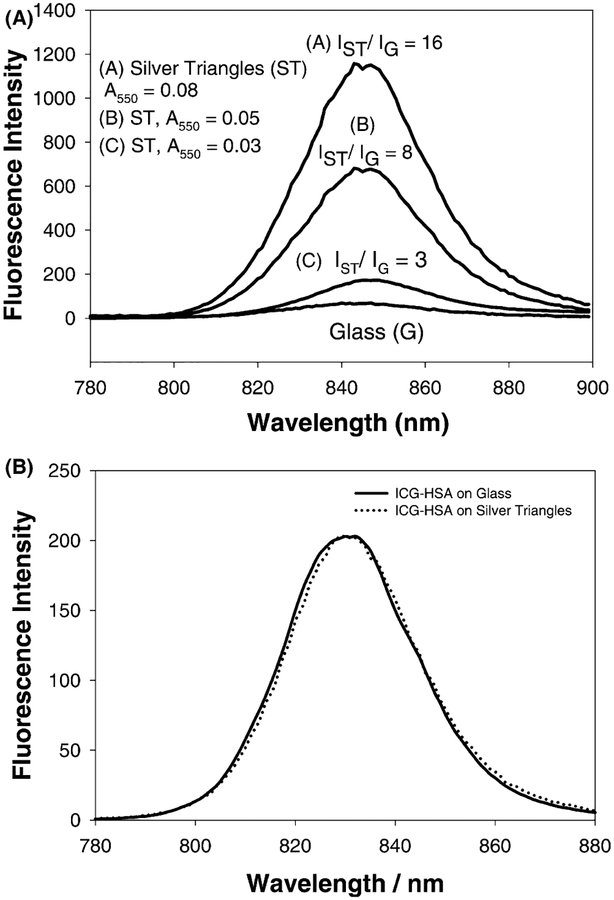
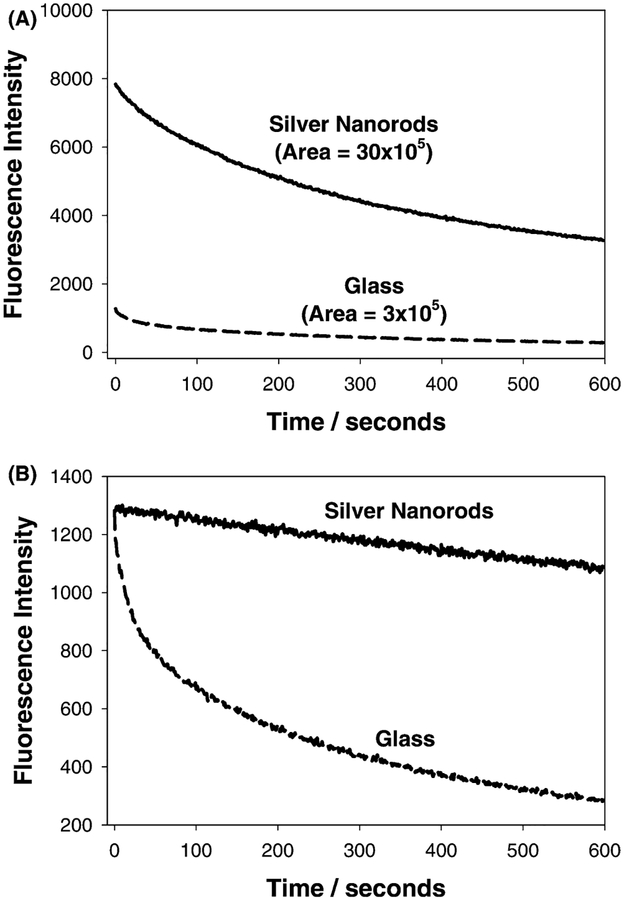
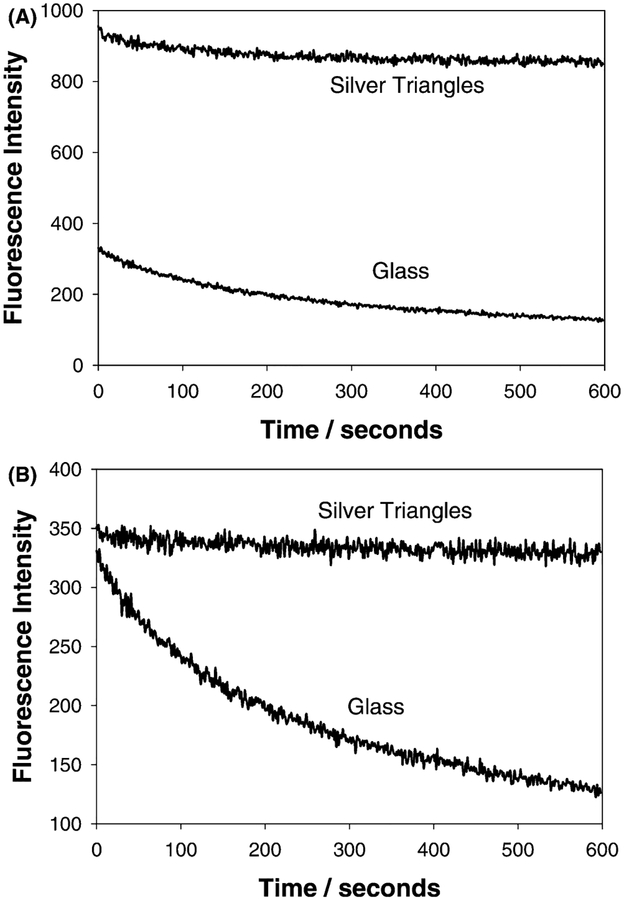
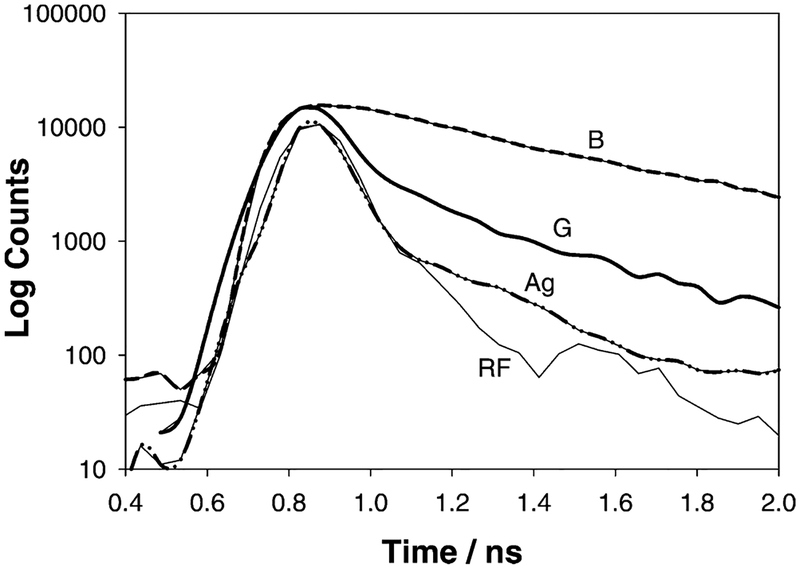
In this critical and timely review, the effects of anisotropic silver nanostructures on the emission intensity and photostability of a key fluorophore that is frequently used in many biological assays is examined. The silver nanostructures consist of triangular, rod-like, and fractal-like nanoparticles of silver deposited on conventional glass substrates. The close proximity to silver nanostructures results in greater intensity and photostability of the fluorophore than for fluorophores solely deposited on glass substrates. These new anisotropic silver nanostructure-coated surfaces show much more favorable effects than silver island films or silver colloid-coated substrates. Subsequently, the use of metal-enhanced fluorescence (MEF) for biosensing applications is discussed.
Figures
References
-
- Gersten J, Nitzan A (1981) J Chem Phys 75:1139–1152
Publication types
MeSH terms
Substances
Grants and funding
LinkOut - more resources
Full Text Sources
Other Literature Sources
