The impact of a multi-disciplinary management approach on diabetic control in young Saudi patients
- PMID: 15977682
- PMCID: PMC6147974
- DOI: 10.5144/0256-4947.2005.85
The impact of a multi-disciplinary management approach on diabetic control in young Saudi patients
Abstract
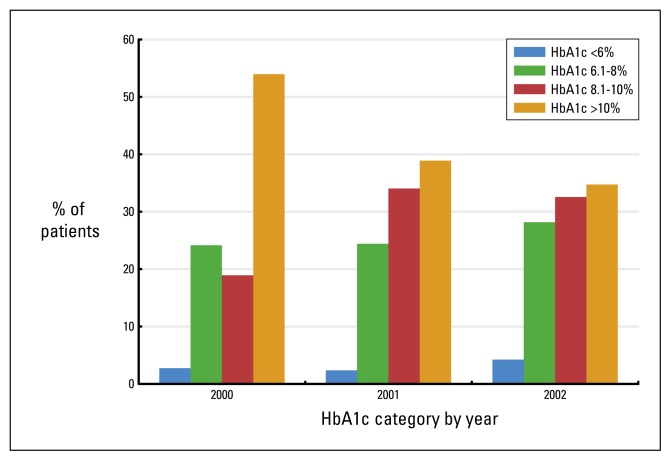
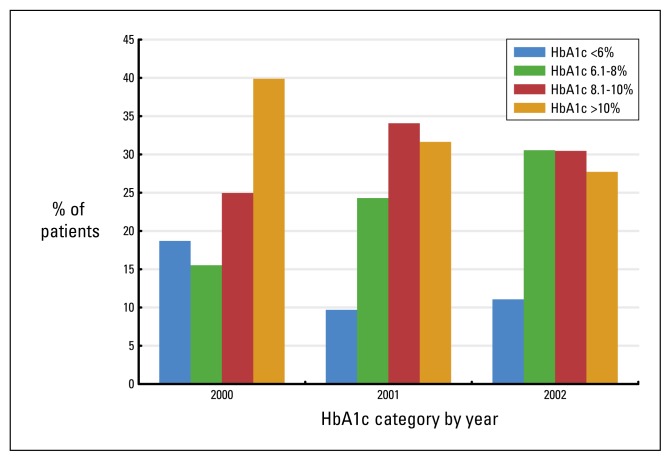
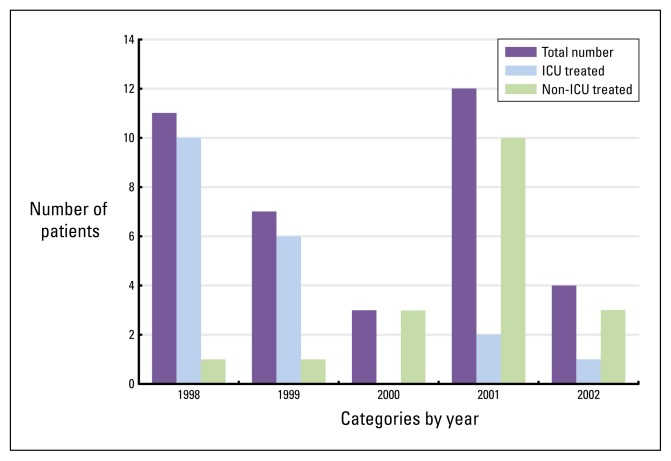
The increasing incidence of diabetes mellitus worldwide makes traditional approaches to its management inadequate. The involvement of young people in this diabetic "epidemic" provides an opportunity to apply a multidisciplinary approach to its management, to help reduce the huge burden of the disease and its complications. In 1998, we established a diabetic clinic for young adults, located within a privately owned company health center, because they were not receiving adequate attention in the adult clinic. Our purpose was to optimize diabetes control by teaching about diet, exercise, medications, and other practical diabetic management issues. In this special communication, we describe the organization of the clinic and present our experience with 105 patients in the first 4 years. Diabetic control as measured by serial glycosylated haemoglobin levels (HbA1c) and the occurrence and severity of diabetic ketoacidosis improved in our patients over those 4 years. Studies in the West have shown that small reductions in HbA1c have translated into dramatic decreases in microvascular complications. Application of this model to a larger population group is needed. Further study may help determine whether to adopt this pattern of care more widely, with its obvious benefits in reduction of diabetic morbidity, mortality and health care cost. We also identified three groups that may require special attention: females, young adults who develop the disease as children, and adolescents who have no regular adult supervision.
Figures
References
-
- Dokheel TM. An epidemic of childhood diabetes in the United States? Evidence from Allegheny County, Pennsylvania. Pittsburgh Diabetes Epidemiology Research Group. Diabetes Care. 1993;16(12):1606–1611. - PubMed
-
- Rosenbloom AL, Joe JR, Young RS, Winter WE. Emerging epidemic of type 2 diabetes in youth. Diabetes Care. 1999;22(2):345–354. - PubMed
-
- An American epidemic. Newsweek. 2000 Sep;4:40–46. - PubMed
MeSH terms
Substances
LinkOut - more resources
Full Text Sources
Medical