Do patients treated with dignity report higher satisfaction, adherence, and receipt of preventive care?
- PMID: 16046566
- PMCID: PMC1466898
- DOI: 10.1370/afm.328
Do patients treated with dignity report higher satisfaction, adherence, and receipt of preventive care?
Abstract
Purpose: Although involving patients in their own health care is known to be associated with improved outcomes, this study was conducted to determine whether respecting persons more broadly, such as treating them with dignity, has additional positive effects.
Methods: Using data from the Commonwealth Fund 2001 Health Care Quality Survey of 6,722 adults living in the United States, we performed survey-weighted logistic regression analysis to evaluate independent associations between 2 measures of respect (involvement in decisions and treatment with dignity) and patient outcomes (satisfaction, adherence, and receipt of optimal preventive care). Then we calculated adjusted probabilities of these outcomes and performed stratified analyses to examine results across racial/ethnic groups.
Results: After adjustment for respondents' demographic characteristics, the probability of reporting a high level of satisfaction was higher for those treated with dignity vs not treated with dignity (0.70 vs 0.38, P < .001) and for those involved in, versus not involved in, decisions (0.70 vs 0.39, P < .001). These associations were consistent across all racial/ethnic groups. Being involved in decisions was significantly associated with adherence for whites, whereas being treated with dignity was significantly associated with adherence for racial/ethnic minorities. The probability of receiving optimal preventive care was marginally greater for those treated with dignity (0.68 vs 0.63, P = .054), but did not differ with respect to involvement in decisions (0.67 vs 0.67, P = .95).
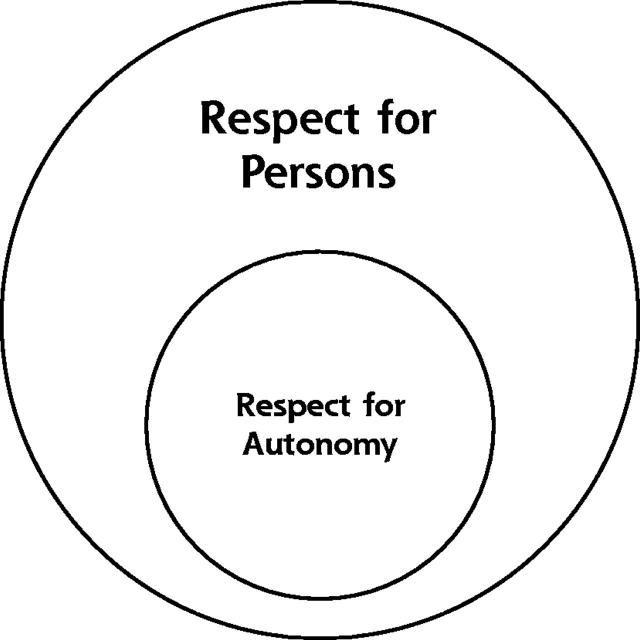
Conclusions: Being treated with dignity and being involved in decisions are independently associated with positive outcomes. Although involving patients in decisions is an important part of respecting patient autonomy, it is also important to respect patients more broadly by treating them with dignity.
Figures
References
-
- Kaplan SH, Greenfield S, Gandek B, Rogers WH, Ware JE, Jr. Characteristics of physicians with participatory decision-making styles. Ann Intern Med. 1996;124:497–504. - PubMed
-
- Brody DS, Miller SM, Lerman CE, Smith DG, Caputo GC. Patient perception of involvement in medical care: relationship to illness attitudes and outcomes. J Gen Intern Med. 1989;4:506–511. - PubMed
-
- Lerman CE, Brody DS, Caputo GC, et al. Patients’ Perceived Involvement in Care Scale: relationship to attitudes about illness and medical care. J Gen Intern Med. 1990;5:29–33. - PubMed
-
- Greenfield S, Kaplan S, Ware JE Jr. Expanding patient involvement in care. Effects on patient outcomes. Ann Intern Med. 1985;102:520–528. - PubMed
-
- Wagner EH, Grothaus LC, Sandhu N, et al. Chronic care clinics for diabetes in primary care: a system-wide randomized trial. Diabetes Care. 2001;24:695–700. - PubMed
Publication types
MeSH terms
Grants and funding
LinkOut - more resources
Full Text Sources
Medical