


The pathogenesis and clinical significance of a high-intensity zone (HIZ) of lumbar intervertebral disc on MR imaging in the patient with discogenic low back pain
- PMID: 16047210
- PMCID: PMC3489329
- DOI: 10.1007/s00586-005-0892-8
The pathogenesis and clinical significance of a high-intensity zone (HIZ) of lumbar intervertebral disc on MR imaging in the patient with discogenic low back pain
Abstract
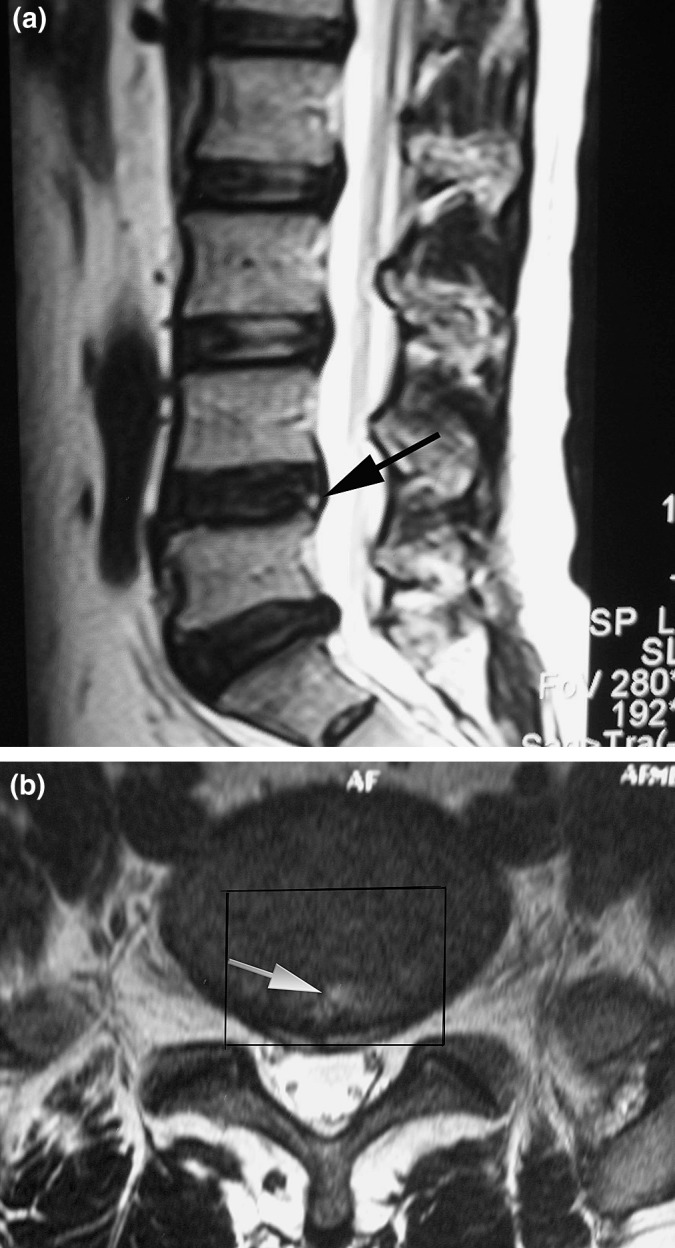
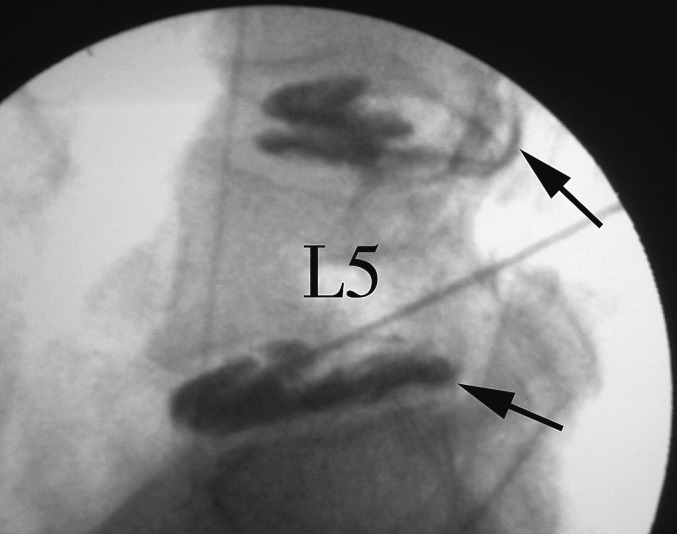
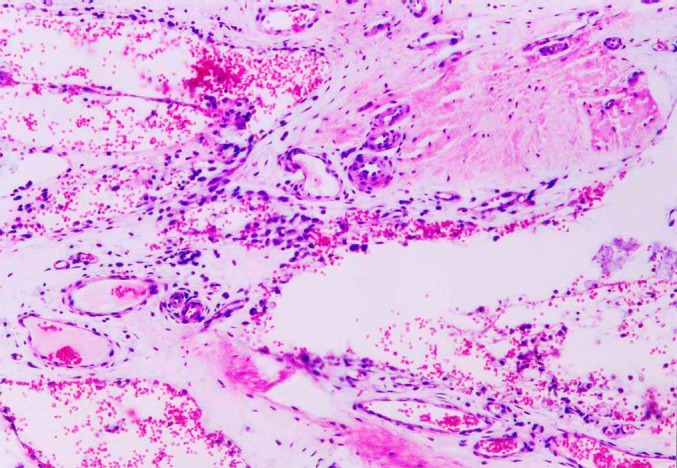
Recently, the presence of a high-intensity zone (HIZ) within the posterior annulus seen on T2-weighted MRI has aroused great interest and even controversy among many investigators, particularly on whether the HIZ was closely associated with a concordant pain response on awake discography. The study attempted to interpret the correlation between the presence of the HIZ on MRI and awake discography, as well as its characteristic pathology. Fifty two patients with low back pain without disc herniation underwent MRI and discography successively. Each disc with HIZ was correlated for an association between the presence of a HIZ and the grading of annular disruption and a concordant pain response. Eleven specimens of lumbar intervertebral discs which contain HIZ in the posterior annulus from 11 patients with discogenic low back pain were harvested for histologic examination to interpret the histologic basis of a nociceptive response during posterior lumbar interbody fusion (PLIF). The study found that in all of 142 discograms in 52 patients, 17 presented HIZ. All 17 discs with HIZ showed painful reproduction and abnormal morphology with annular tears extending either well into or through the outer third of the annulus fibrosus. The consecutive sagittal slices through the HIZ lesion showed that a notable histologic feature of the formation of vascularized granulation tissue in the outer region of the annulus fibrosus. The current study suggests that the HIZ of the lumbar disc on MRI in the patient with low back pain could be considered as a reliable marker of painful outer anular disruption.
Figures
References
Publication types
MeSH terms
LinkOut - more resources
Full Text Sources
Medical
