Epidemiology of traumatic brain injury in children receiving intensive care in the UK
- PMID: 16049060
- PMCID: PMC1720170
- DOI: 10.1136/adc.2005.072405
Epidemiology of traumatic brain injury in children receiving intensive care in the UK
Abstract
Aims: To describe the epidemiology of children with traumatic brain injury (TBI) admitted to paediatric intensive care units (PICUs) in the UK.
Methods: Prospective collection of clinical and demographic information from paediatric and adult intensive care units in the UK and Eire between February 2001 and August 2003.
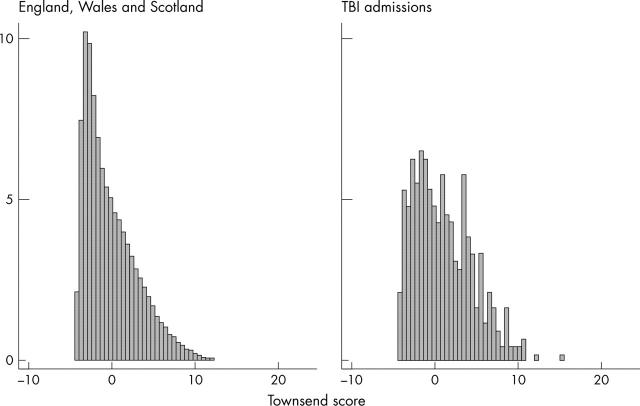
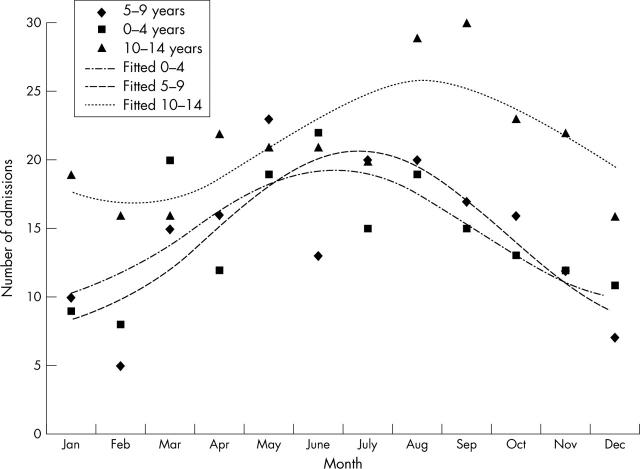
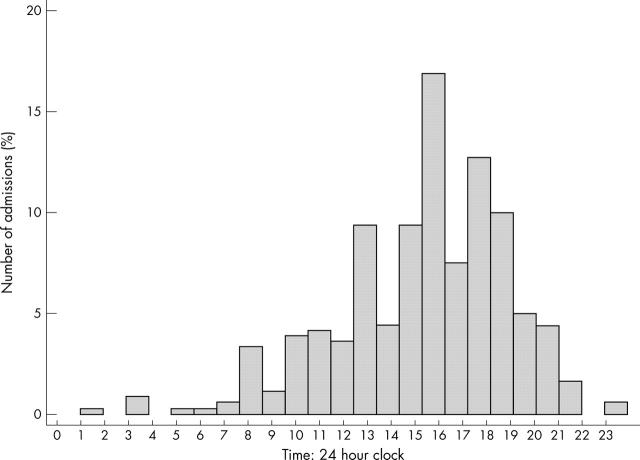
Results: The UK prevalence rate for children (0-14 years) admitted to intensive care with TBI between February 2001 and August 2003 was 5.6 per 100,000 population per year (95% Poisson exact confidence intervals 5.17 to 6.05). Children admitted to PICUs with TBI were more deprived than the population as a whole (mean Townsend score for TBI admissions 1.19 v 0). The commonest mechanism of injury was a pedestrian accident (36%), most often occurring in children over 10. There was a significant summer peak in admissions in children under 10 years. Time of injury peaked in the late afternoon and early evening, a pattern that remained constant across the days of the week. Injuries involving motor vehicles have the highest mortality rates (23% of vehicle occupants, 12% of pedestrians) compared with cyclists (8%) and falls (3%). In two thirds of admissions (65%) TBI was an isolated injury.
Conclusions: TBI in children requiring intensive care is more common in those from poorer backgrounds who have been involved in accidents as pedestrians. The summer peak in injury occurrence for 0-10 year olds and late afternoon timing give clear targets for community based injury prevention.
Figures
References
Publication types
MeSH terms
LinkOut - more resources
Full Text Sources
Medical