


Validation of the Japanese Society for Surgery of the Hand version of the Disability of the Arm, Shoulder, and Hand questionnaire
- PMID: 16075166
- PMCID: PMC2780667
- DOI: 10.1007/s00776-005-0917-5
Validation of the Japanese Society for Surgery of the Hand version of the Disability of the Arm, Shoulder, and Hand questionnaire
Erratum in
- J Orthop Sci. 2007 Jan;12(1):107
Abstract
Background: The Disability of the Arm, Shoulder and Hand (DASH) questionnaire is a region-specific self-administered questionnaire that consists of a disability/symptom (DASH-DS) scale, and two optional modules, the work (DASH-W) and the sport/music (DASH-SM) modules. The DASH was cross-culturally adapted and developed by the Impairment Evaluation Committee, Japanese Society for Surgery of the Hand. The purpose of this study was to test the reliability, validity, and responsiveness of the Japanese version of DASH (DASH-JSSH).
Methods: A series of 72 patients with upper extremity disorders completed the DASH-JSSH, the medical outcomes study 36-item short-form health survey (SF-36), and the Visual Analog Scale (VAS) for pain. Thirty-eight of the patients were reassessed for test-retest reliability 1 or 2 weeks later. Reliability was investigated by reproducibility and internal consistency. To analyze the validity, a principal component analysis and correlation coefficients between the DASH-JSSH and the SF-36 were obtained. Responsiveness was examined by calculating the standardized response mean (mean change/SD) and effect size (mean change/SD of baseline value) after carpal tunnel release of the 17 patients with carpal tunnel syndrome.
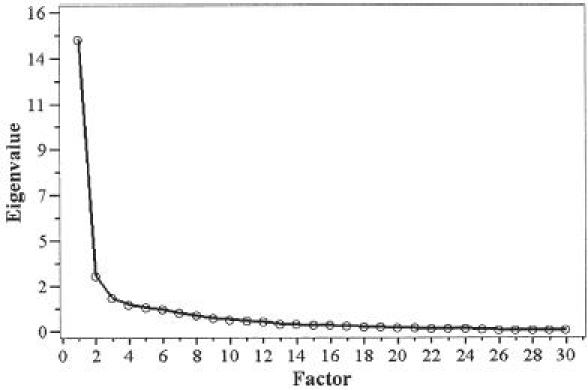
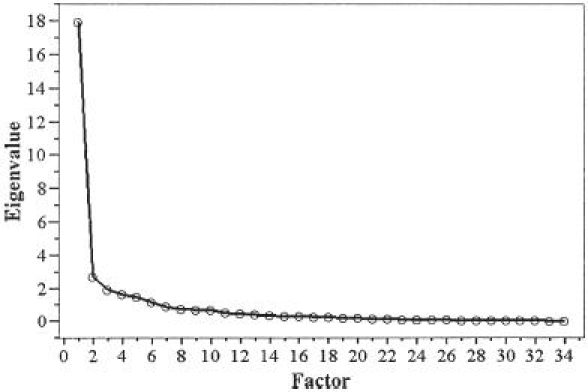
Results: Cronbach's alpha coefficients in the DASH-DS and DASH-W were 0.962 and 0.967, respectively. The intraclass correlation coefficients for the same were 0.82 and 0.85, respectively. The unidimensionality of the DASH-DS and DASH-W were confirmed. The correlations between the DASH-DS score and the subscale of the SF-36 scale ranged from -0.29 to -0.73. The correlation coefficient between the DASH-DS and the DASH-W was 0.79. The standardized response mean/effect size of DASH-DS, DASH-W, and VAS for pain were -0.48/-0.26, -0.68/-0.41, and -0.40/-0.40, respectively. DASH-DS and DASH-W were as moderately sensitive as VAS for pain.
Conclusion: The DASH-DS and DASH-W Japanese version have evaluation capacities equivalent to those of the original and other language versions of the DASH.
Figures
References
-
- Musculoskeletal disorders and the workplace: low back and upper extremities. Washington, DC: National Academy Press; 2001. pp. 38–64. - PubMed
-
- Bernard BP, editor. Musculoskeletal disorders and workplace factors: a critical review of epidemiologic evidence for work-related musculoskeletal disorders of the neck, upper extremity, and low back. Bethesda, MD: US Department of Health and Human Services; 1997.
-
- Constant CR, Murley AHG. A clinical method of functional assessment of the shoulder. Clin Orthop. 1987;214:161–4. - PubMed
Publication types
MeSH terms
LinkOut - more resources
Full Text Sources
