


Xanthohumol isolated from Humulus lupulus Inhibits menadione-induced DNA damage through induction of quinone reductase
- PMID: 16097803
- PMCID: PMC7395304
- DOI: 10.1021/tx050058x
Xanthohumol isolated from Humulus lupulus Inhibits menadione-induced DNA damage through induction of quinone reductase
Abstract
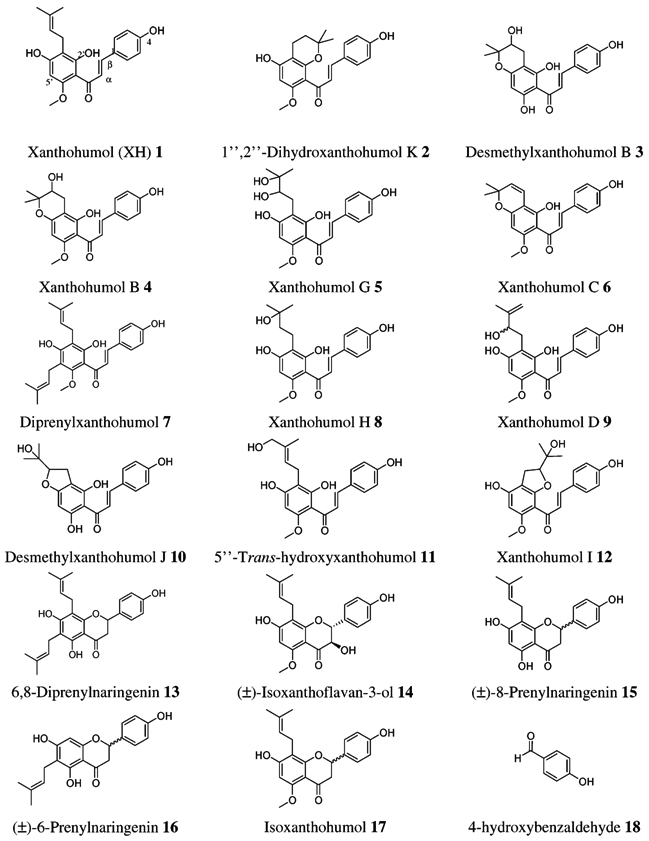
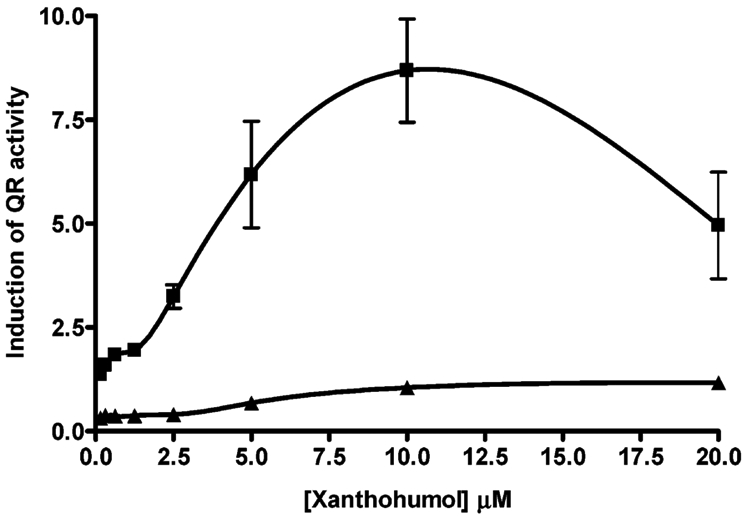
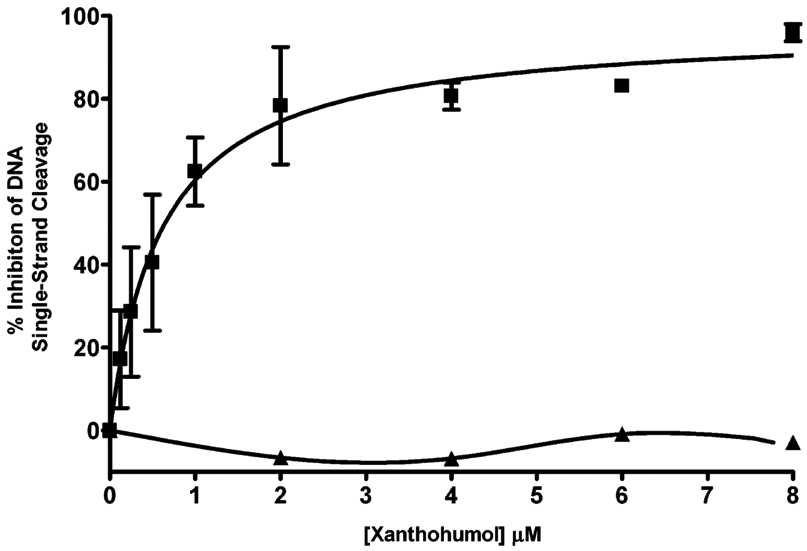
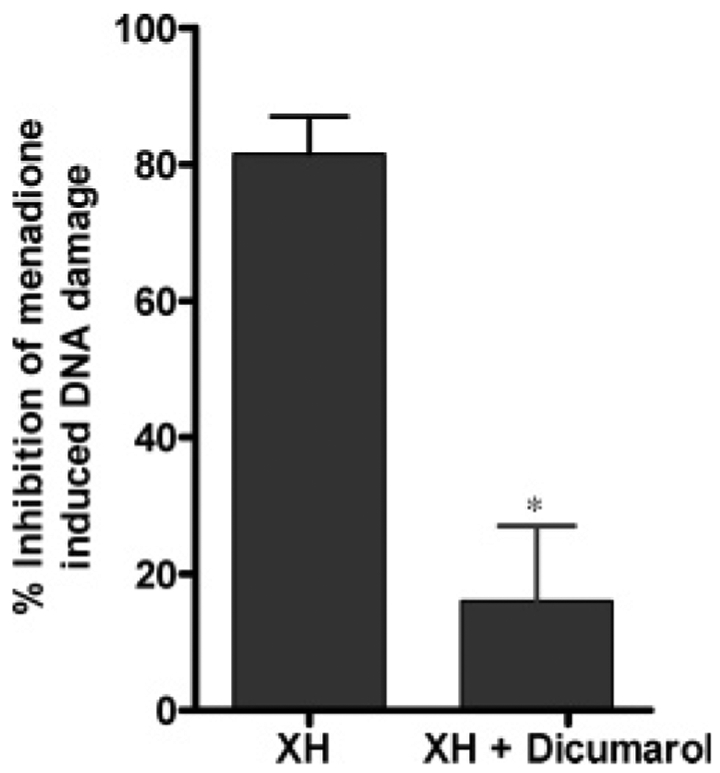
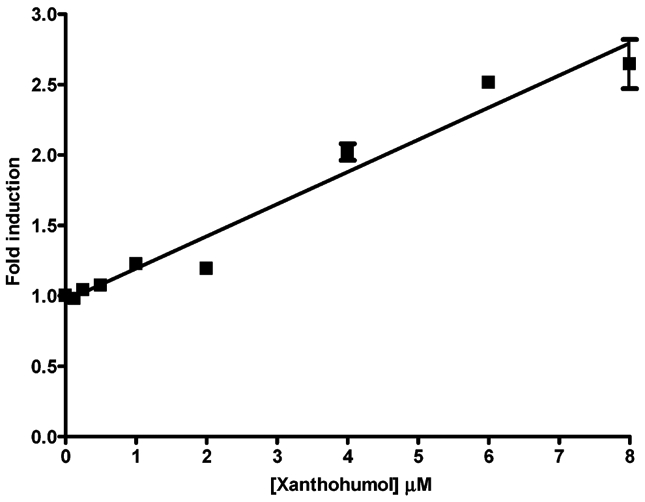
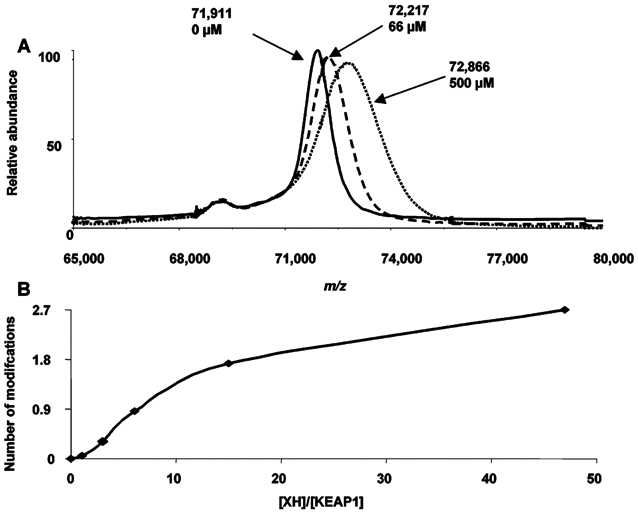
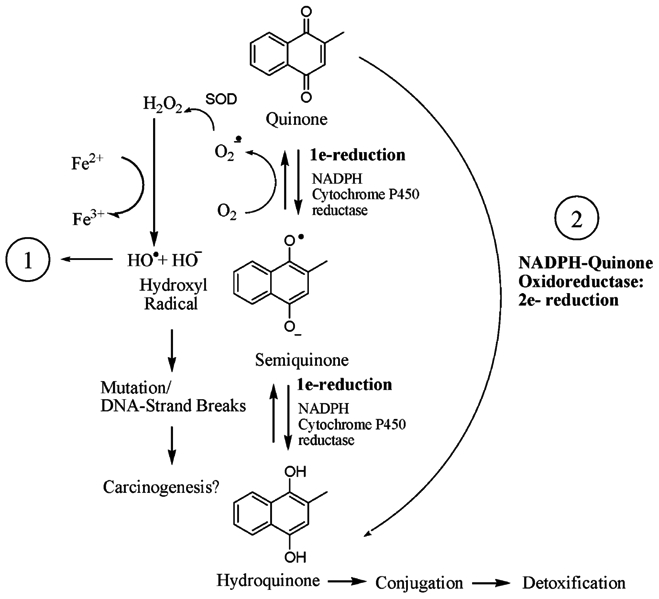
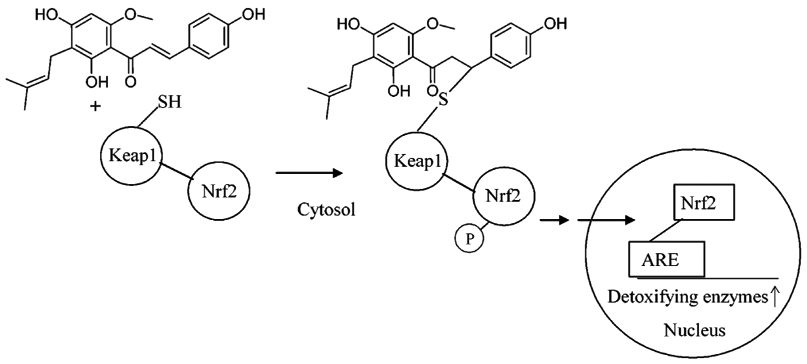
The female parts of hops (Humulus lupulus L.) show estrogenic effects as well as cancer chemopreventive potential. We analyzed the chemopreventive mechanism of hops by studying its antioxidative activities and its effect on the detoxification of a potentially toxic quinone (menadione). The detoxification enzyme quinone reductase [(NAD(P)H:quinone oxidoreductase, QR] protects against quinone-induced toxicity and has been used as a marker in cancer chemoprevention studies. Although the hop extract was only a weak quencher of free radicals formed from 1,1-diphenyl-2-picrylhydrazyl, it demonstrated strong QR induction in Hepa 1c1c7 cells. In addition, compounds isolated from hops including xanthohumol (XH) and 8-prenylnaringenin were tested for QR induction. Among these, XH was the most effective at inducing QR with a concentration required to double the specific activity of QR (CD value) of 1.7 +/- 0.7 microM. In addition, pretreatment of Hepa1c1c7 cells with XH significantly inhibited menadione-induced DNA single-strand breaks. The QR inhibitor dicumarol reversed the protective effect of XH against menadione-induced DNA damage. Because the expression of QR and other detoxifying enzymes is known to be upregulated by binding of the transcription factor Nrf2 to the antioxidant response element (ARE), the reporter activity mediated by ARE in HepG2-ARE-C8 cells was investigated after incubation with XH for 24 h. Under these conditions, XH increased ARE reporter activity in a dose-dependent manner. One mechanism by which XH might induce QR could be through interaction with Keap1, which sequesters Nrf2 in the cytoplasm, so that it cannot activate the ARE. Using LC-MS-MS, we demonstrated that XH alkylates human Keap1 protein, most likely on a subset of the 27 cysteines of Keap1. This suggests that XH induces QR by covalently modifying the Keap1 protein. Therefore, XH and hops dietary supplements might function as chemopreventive agents, through induction of detoxification enzymes such as QR.
Figures
References
-
- Piersen CE (2003) Phytoestrogens in botanical dietary supplements: implications for cancer. Integr. Cancer Ther 2, 120–138. - PubMed
-
- Liu J, Burdette JE, Xu H, Gu C, van Breemen RB, Bhat KP, Booth N, Constantinou AI, Pezzuto JM, Fong HH, Farnsworth NR, and Bolton JL (2001) Evaluation of estrogenic activity of plant extracts for the potential treatment of menopausal symptoms. J. Agric. Food Chem 49, 2472–2479. - PubMed
-
- Nikolic D, Li Y, Chadwick LR, Grubjesic S, Schwab P, Metz P, and van Breemen RB (2004) Metabolism of 8-prenylnaringenin, a potent phytoestrogen from hops (Humulus lupulus), by human liver microsomes. Drug Metab. Dispos 32, 272–279. - PubMed
-
- Sun J (2003) Morning/evening menopausal formula relieves menopausal symptoms: A pilot study. J. Altern. Complement Med 9, 403–409. - PubMed
Publication types
MeSH terms
Substances
Grants and funding
LinkOut - more resources
Full Text Sources
Other Literature Sources
