. 2005 Aug;125(2):256-63.
doi: 10.1111/j.0022-202X.2005.23805.x.

Granulysin-derived peptides demonstrate antimicrobial and anti-inflammatory effects against Propionibacterium acnes

Affiliations

Granulysin-derived peptides demonstrate antimicrobial and anti-inflammatory effects against Propionibacterium acnes

Jamie E McInturff et al. J Invest Dermatol. 2005 Aug.

Abstract

Propionibacterium acnes is a key therapeutic target in acne, yet this bacterium has become resistant to standard antibiotic agents. We investigated whether the human antimicrobial protein granulysin is a potential candidate for the treatment of acne. Granulysin and synthetic granulysin-derived peptides possessing a helix-loop-helix motif killed P. acnes in vitro. Modification of a helix-loop-helix peptide, 31-50, by substitution of a tryptophan for the valine at amino acid 44 (peptide 31-50v44w) to increase its interaction with bacterial surfaces also increased its antimicrobial activity. Moreover, when synthesized with D- rather than L-type amino acids, this peptide (D-31-50v44w) became less susceptible to degradation by proteases and more effective in killing P. acnes. Granulysin peptides were bactericidal, demonstrating an advantage over standard bacteriostatic antibiotics in their control of P. acnes. Moreover, peptide D-31-50v44w killed P. acnes in isolated human microcomedone preparations. Importantly, peptides 31-50, 31-50v44w, and D-31-50v44w also have potential anti-inflammatory effects, as demonstrated by suppression of P. acnes-stimulated cytokine release. Taken together, these data suggest that granulysin peptides may be useful as topical therapeutic agents, providing alternatives to current acne therapies.


Conflict of interest statement

Conflicts of interest: The authors would like to state the following potential conflicts of interest: T. M., T. R. L., S. H., K. Z. are/have been employees of Ansata Therpeutics; R. L. G., R. L. M. and J. K. have been consultants for Ansata Therpeutics, Inc.,; R. L. G. and R. L. M. served on the Scientific Advisory Board for Ansata Therapeutics, Inc., in the past.

Figures

Figure 1
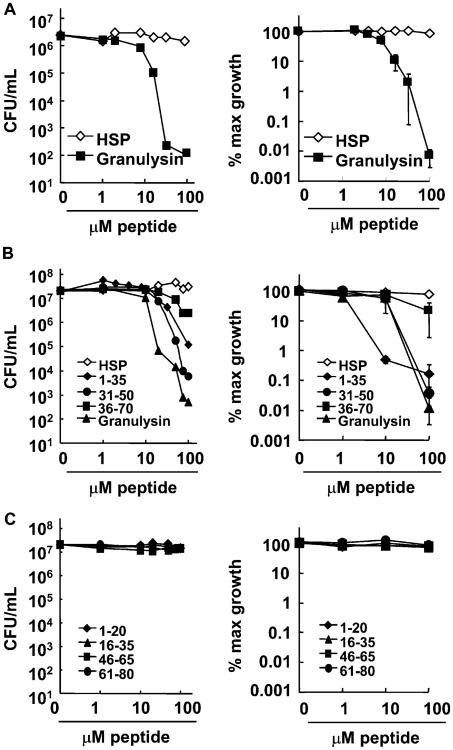
Figure 1. Granulysin and granulysin peptides have antimicrobial activity against Propionibacterium acnes
(A) Various concentrations (0–100 μM) of recombinant granulysin were incubated with P. acnes for 4 h and tested for antimicrobial activity using the CFU assay (left, representative experiment; right, average % maximum growth ± SEM, n = 8). (B) Synthetic peptides of granulysin predicted to conform to a helix–loop–helix motif (residues 1–35, 36–70, and 31–50) and the 9-kDa granulysin were incubated with P. acnes at various concentrations (0–100 μM) for 4 h and the antimicrobial activity was determined by CFU assay (left, representative experiment; right, average % maximum growth ± SEM, n = 3). (C) Additional synthetic granulysin peptides (residues 1–20, 16–35, 46–65, and 61–80) were compared with the 9-kDa granulysin for antimicrobial activity by CFU assay (left, representative experiment; right, average % maximum growth ± SEM, n = 3).
Figure 2
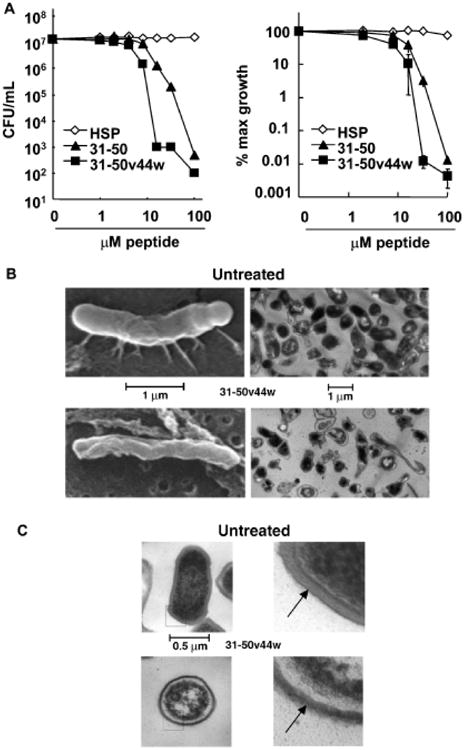
Figure 2. Modification of a granulysin peptide to enhance its antimicrobial activity
The antimicrobial effect of a structure-function modification to a granulysin peptide was determined. A hydrophobic residue, tryptophan, was added to the granulysin peptide 31–50 to create an anchor for the peptide in the bacterial surface. (A) Peptides 31–50 and 31–50v44w were then incubated with P. acnes and tested for antimicrobial activity by CFU assay (left, representative experiment; right, average % maximum growth ± SEM, n = 5), (B) SEM and low power TEM (10K magnification), demonstrated the effect of 31–50v44w (20 mM) on the surface of P. acnes after incubation for 72 h as compared to the surface of untreated control bacteria. (C) At higher power (36K magnification), peptide treatment (20 mM) was shown to disturb the sharply layered surface architecture of P. acnes, making the cell wall less distinct and more permeable to fluid influx. EM studies represent data from three different experiments.
Figure 3
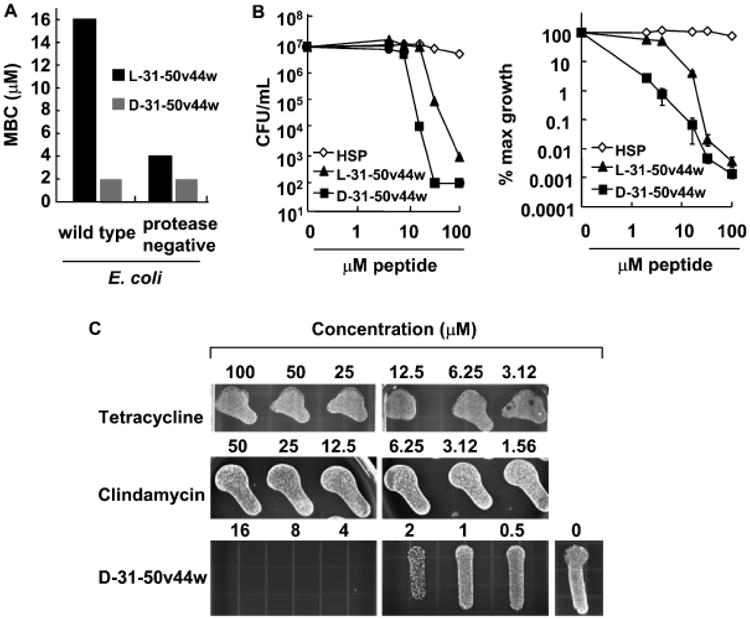
Figure 3. Antimicrobial effects of granulysin peptides with d- and l-type amino acids
(A) Granulysin peptides with the sequence 31–50v44w were synthesized using only d-type amino acids (d-31–50v44w) or l-type amino acids (l-31–50v44w) and incubated with a wild-type strain of Escherichia coli or a mutant strain of E coli, and the minimum bactericidal concentration was determined. (B) Granulysin peptides with d-type amino acids (d-31–50v44w) or l-type amino acids (l-31–50v44w) were incubated with P. acnes and the antimicrobial activity was determined using CFU assay (left, representative experiment; right, average % maximum growth ± SEM, n = 4). (C) The antimicrobial activity of granulysin peptide d-31–50v44w was compared to tetracycline and clindamycin in a qualitative CFU assay which involved plating antibiotics and peptides with P. acnes on solid media and counting individual colonies to determine the CFU. Experiments in (A) and (C) are representative of two or more experiments.
Figure 4
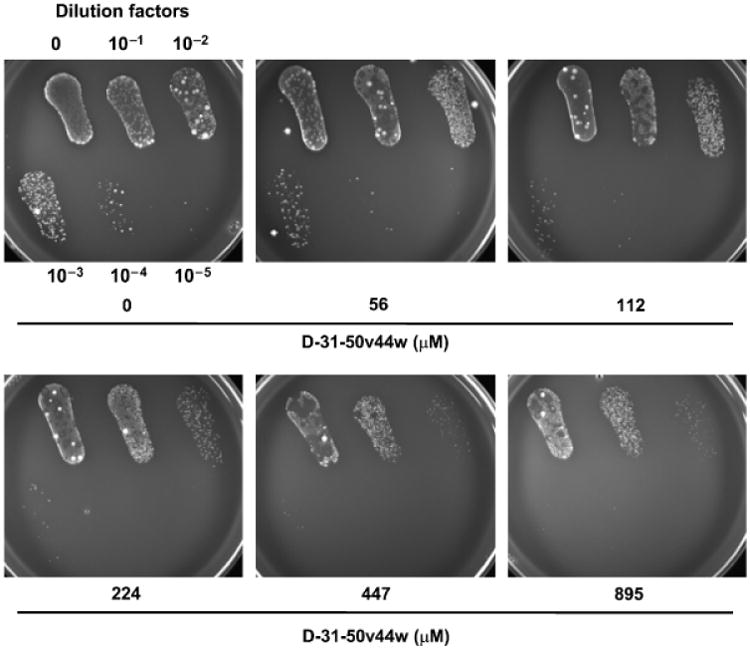
Figure 4. Antimicrobial effects of a granulysin peptide within the sebaceous micro-comedone environment
Granulysin peptide d-31–50v44w was incubated with Propionibacterium acnes in a collection of lipid-rich microcomedones isolated from donors' faces using pore cleasing strips, and the antimicrobial activity was determined using the CFU assay.
Figure 5
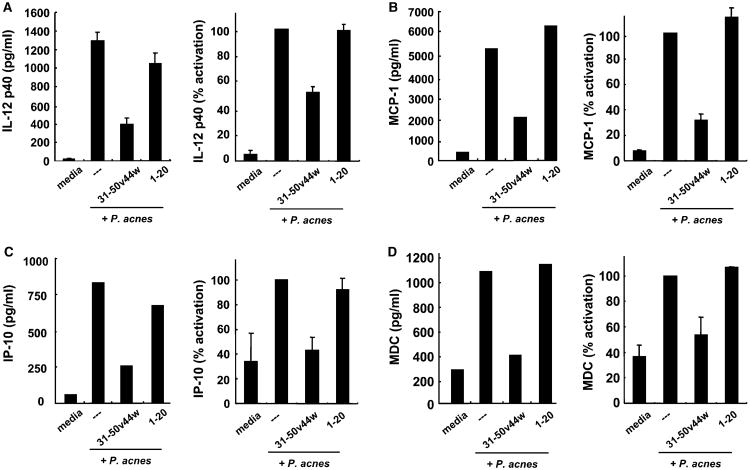
Figure 5. The immunomodulatory effect of granulysin peptides
Granulysin peptide 31–50v44w (5 μM) was incubated with primary human monocytes which were subsequently stimulated with Propionibacterium acnes sonicate. (A) IL-12p40 levels were determined by ELISA using triplicates (left, representative experiment; right, average % activation of IL-12p40 by P. acnes ± SEM, n = 12). The chemokines (B) MCP-1, (C) IP-10, and (D) MDC levels were determined by cytokine array (Pierce SearchLight Multiplex). (left, representative experiment; right, average % activation ± SEM of two independent experiments each assayed by array twice, n = 4).

References

    1. Alvarez-Bravo J, Kurata S, Natori S. Novel synthetic antimicrobial peptides effective against methicillin-resistant Staphylococcus aureus. Biochem J. 1994;302(Pt 2):535–538. - PMC - PubMed
    1. Anderson DH, Sawaya MR, Cascio D, Ernst W, Modlin R, Krensky A, Eisenberg D. Granulysin crystal structure and a structure-derived lytic mechanism. J Mol Biol. 2003;325:355–365. - PubMed
    1. Coates P, Vyakrnam S, Eady EA, Jones CE, Cove JH, Cunliffe WJ. Prevalence of antibiotic-resistant propionibacteria on the skin of acne patients: 10-year surveillance data and snapshot distribution study. Br J Dermatol. 2002;146:840–848. - PubMed
    1. Cooper AJ. Systematic review of Propionibacterium acnes resistance to systemic antibiotics. Med J Aust. 1998;169:259–261. - PubMed
    1. Ernst WA, Thoma-Uszynski S, Teitelbaum R, et al. Granulysin, a T cell product, kills bacteria by altering membrane permeability. J Immunol. 2000;165:7102–7108. - PubMed

Publication types

MeSH terms