


Gene expression changes during the development of acute lung injury: role of transforming growth factor beta
- PMID: 16100012
- PMCID: PMC2718437
- DOI: 10.1164/rccm.200502-286OC
Gene expression changes during the development of acute lung injury: role of transforming growth factor beta
Abstract
Rationale: Acute lung injury can occur from multiple causes, resulting in high mortality. The pathophysiology of nickel-induced acute lung injury in mice is remarkably complex, and the molecular mechanisms are uncertain.
Objectives: To integrate molecular pathways and investigate the role of transforming growth factor beta (TGF-beta) in acute lung injury in mice.
Methods: cDNA microarray analyses were used to identify lung gene expression changes after nickel exposure. MAPPFinder analysis of the microarray data was used to determine significantly altered molecular pathways. TGF-beta1 protein in bronchoalveolar lavage fluid, as well as the effect of inhibition of TGF-beta, was assessed in nickel-exposed mice. The effect of TGF-beta on surfactant-associated protein B (Sftpb) promoter activity was measured in mouse lung epithelial cells.
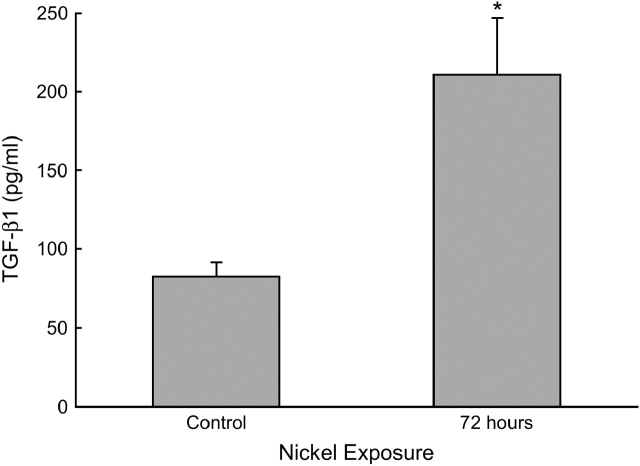
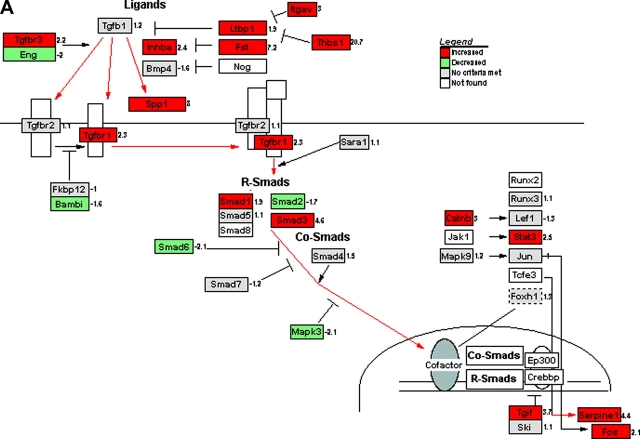
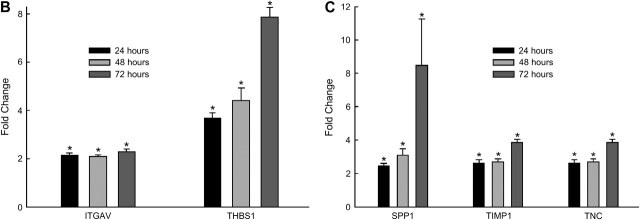
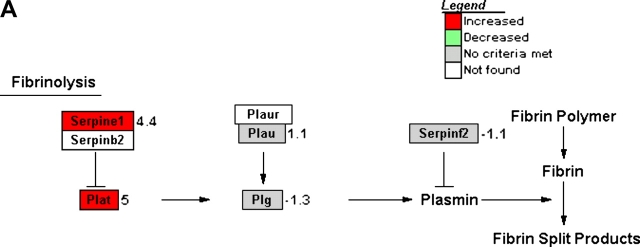
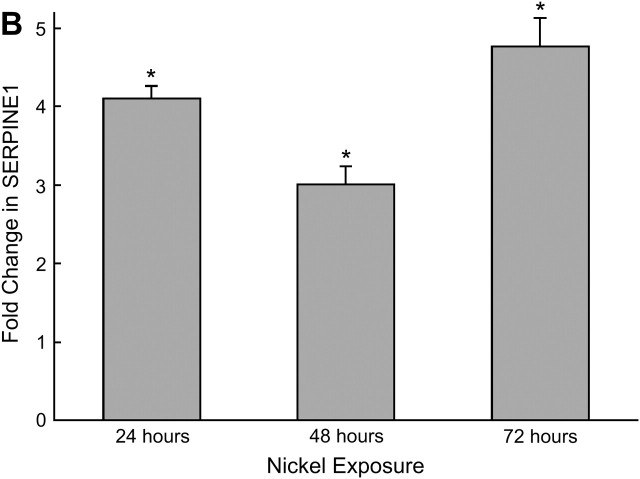
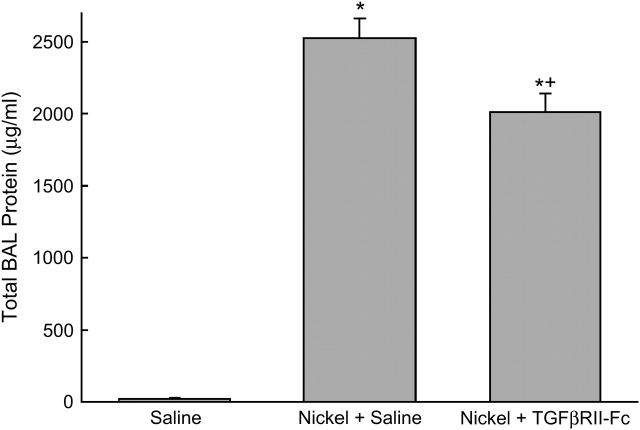
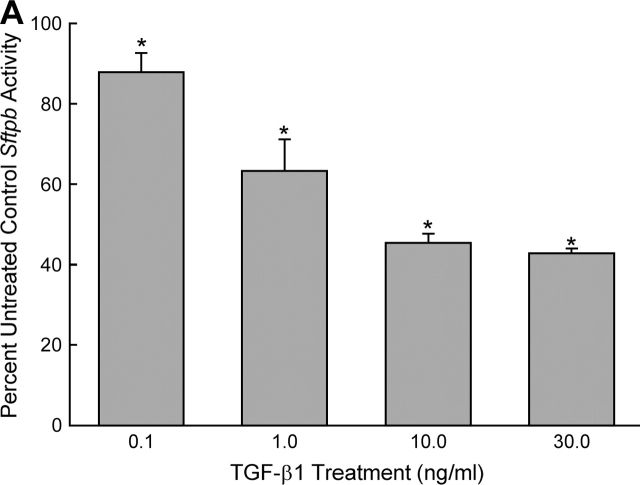
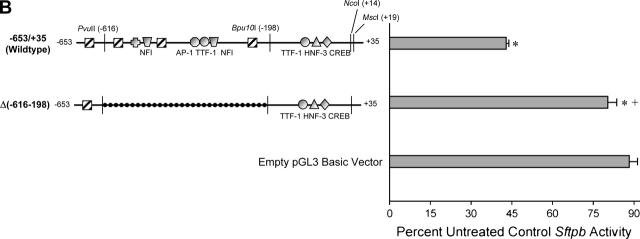
Measurements and main results: Genes that decreased the most after nickel exposure play important roles in lung fluid absorption or surfactant and phospholipid synthesis, and genes that increased the most were involved in TGF-beta signaling. MAPPFinder analysis further established TGF-beta signaling to be significantly altered. TGF-beta-inducible genes involved in the regulation of extracellular matrix function and fibrinolysis were significantly increased after nickel exposure, and TGF-beta1 protein was also increased in the lavage fluid. Pharmacologic inhibition of TGF-beta attenuated nickel-induced protein in bronchoalveolar lavage. In addition, treatment with TGF-beta1 dose-dependently repressed Sftpb promoter activity in vitro, and a novel TGF-beta-responsive region in the Sftpb promoter was identified.
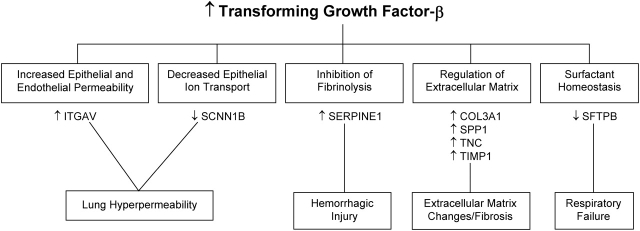
Conclusions: These data suggest that TGF-beta acts as a central mediator of acute lung injury through the alteration of several different molecular pathways.
Figures
References
-
- Ware LB, Matthay MA. The acute respiratory distress syndrome. N Engl J Med 2000;342:1334–1349. - PubMed
-
- Lewis JF, Jobe AH. Surfactant and the adult respiratory distress syndrome. Am Rev Respir Dis 1993;147:218–233. - PubMed
-
- Grande JP. Role of transforming growth factor-beta in tissue injury and repair. Proc Soc Exp Biol Med 1997;214:27–40. - PubMed
-
- Singer AJ, Clark RA. Cutaneous wound healing. N Engl J Med 1999;341:738–746. - PubMed
Publication types
MeSH terms
Substances
Grants and funding
LinkOut - more resources
Full Text Sources
Miscellaneous
