


Cardiovascular and gastrointestinal effects of COX-2 inhibitors and NSAIDs: achieving a balance
- PMID: 16168077
- PMCID: PMC2833977
- DOI: 10.1186/ar1794
Cardiovascular and gastrointestinal effects of COX-2 inhibitors and NSAIDs: achieving a balance
Abstract
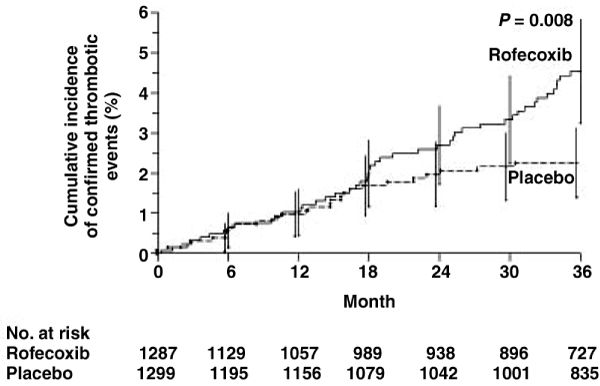
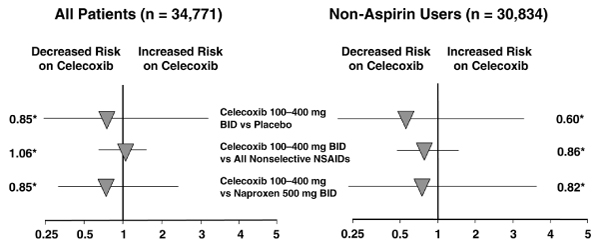
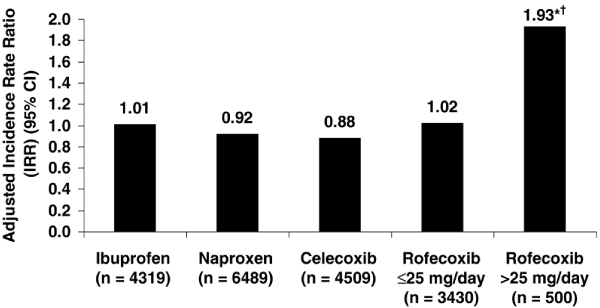
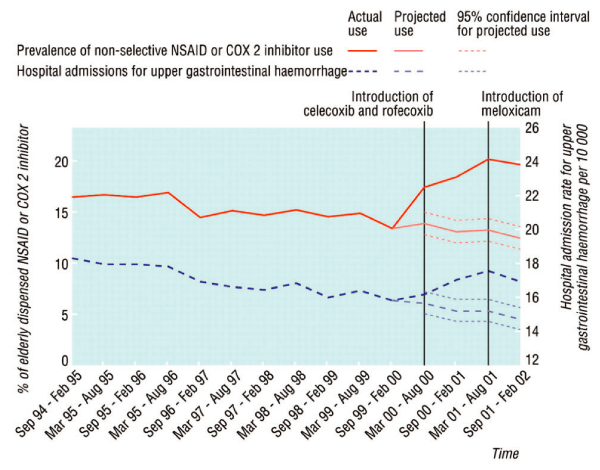
Conventional 'nonselective' nonsteroidal anti-inflammatory drugs (NSAIDs) are widely used for the treatment of pain and inflammation; however, the potential gastrointestinal risks associated with their use can be a cause for concern. In response to the adverse effects that can accompany nonselective NSAID use, selective cyclo-oxygenase (COX)-2 inhibitors were developed to target the COX-2 isoenzyme, thus providing anti-inflammatory and analgesic benefits while theoretically sparing the gastroprotective activity of the COX-1 isoenzyme. Data from large-scale clinical trials have confirmed that the COX-2 inhibitors are associated with substantial reductions in gastrointestinal risk in the majority of patients who do not receive aspirin. However, some or all of the gastrointestinal benefit of COX-2 inhibitors may be lost in patients who receive low, cardioprotective doses of aspirin, and recent evidence suggests that some of these agents, at some doses, may be associated with an increased risk for cardiovascular adverse events compared with no therapy. The risks and benefits of conventional NSAIDs and of COX-2 inhibitors must be weighed carefully; in clinical practice many patients who might benefit from NSAID or COX-2 therapy are likely to be elderly and at relatively high risk for gastrointestinal and cardiovascular adverse events. These patients are also more likely to be taking low-dose aspirin for cardiovascular prophylaxis and over-the-counter NSAIDs for pain. Identifying therapies that provide relief from arthritis related symptoms, confer optimum cardioprotection, and preserve the gastrointestinal mucosa is complex. Factors to consider include the interference of certain NSAIDs with the antiplatelet effects of aspirin, differences in the adverse gastrointestinal event rates among nonselective NSAIDs and selective COX-2 inhibitors, emerging data regarding the relative risks for cardiovascular events associated with these drugs, and the feasibility and cost of co-therapy with proton pump inhibitors.
Figures
References
-
- Fries JF, Miller SR, Spitz PW, Williams CA, Hubert HB, Bloch DA. Toward an epidemiology of gastropathy associated with non-steroidal antiinflammatory drug use. Gastroenterology. 1989;Suppl:647–655. - PubMed
-
- Laine L. Nonsteroidal anti-inflammatory drug gastropathy. Gastrointest Endosc Clin N Am. 1996;6:489–504. - PubMed
-
- Meade EA, Smith WL, DeWitt DL. Differential inhibition of prostaglandin endoperoxide synthase (cyclooxygenase) isozymes by aspirin and other non-steroidal anti-inflammatory drugs. J Biol Chem. 1993;268:6610–6614. - PubMed
-
- Fosslien E. Adverse effects of nonsteroidal anti-inflammatory drugs on the gastrointestinal system. Ann Clin Lab Sci. 1998;28:67–81. - PubMed
Publication types
MeSH terms
Substances
LinkOut - more resources
Full Text Sources
Research Materials
