


Health system constraints to optimal coverage of the prevention of mother-to-child HIV transmission programme in South Africa: lessons from the implementation of the national pilot programme
- PMID: 16245991
- PMCID: PMC1831931
- DOI: 10.5555/afhs.2005.5.3.213
Health system constraints to optimal coverage of the prevention of mother-to-child HIV transmission programme in South Africa: lessons from the implementation of the national pilot programme
Abstract
Background: It is three years since the government of South Africa began implementing a PMTCT programme. Over this period of time attempts have been made to scale up this programme across all provinces under routine health service conditions.
Objectives: To report on the uptake and performance of South Africa's national pilot programme for preventing mother to child HIV transmission (PMTCT) and to identify health system constraints to optimal coverage.
Methods: Routine programme data were collected from antenatal records and delivery registers at the pilot sites and interviews were conducted with health workers on site and with provincial programme managers.
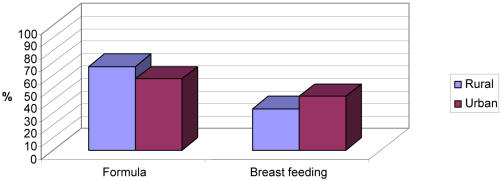
Results: Routine PMTCT programme data were collected from all 18 pilot sites for the period January to December 2002. During this period, of 84406 women attending the sites for first antenatal visits, 47267 (56%) agreed to an HIV test. 14340 (30%) of the women tested were HIV positive and of these 7853 (55%) were dispensed nevirapine. 7950 (99%) of infants born to women identified as being HIV positive received nevirapine syrup. 58% (4196/7237) of HIV positive women expressed an intention to exclusively formula feed, and 42% (3041/7237) intended to exclusively breastfeed. 1907 infants were due for 12 month HIV testing between January and December 2002, of these 949 (50%) infants were tested.
Conclusion: Programme effectiveness was limited by the low rate of HIV test acceptance, poor delivery of nevirapine to mothers and inability to track mother-infant pairs postnatally for 12-month HIV testing of infants. Infant feeding intentions of mothers suggest inadequate counselling and possible negative effects of the provision of free formula milk. The poor performance of the main components of this programme will seriously reduce its operational effectiveness. There is a need for greater integration of VCT within antenatal care, a review of the current policy of providing free formula milk and an alternative model for mother-infant follow up.
Figures

References
-
- UNAIDS, author. AIDS Epidemic Update. Geneva: UNAIDS; 2003.
-
- National Department of Health, author. National HIV and syphilis antenatal sero-prevalence survey in South Africa 2002. Pretoria: National Department of Health; 2003.
-
- Dorrington RE, Bradshaw D, Budlender D. HIV/AIDS profile of the provinces of South Africa - indicators for 2002. Cape Town: Centre for Actuarial Research, Medical Research Council and the Actuarial Society of South Africa; 2002.
-
- Dabis F, Ekpini ER. HIV-1/AIDS and maternal and child health in Africa. Lancet. 2002;359(9323):2097–2104. - PubMed
-
- Luo C. Evaluation of a pilot programme and a follow up study of infant feeding practices during the scaled-up programme in Botswana. Evaluation and Programme Planning. 2002;25:421–431.
Publication types
MeSH terms
LinkOut - more resources
Full Text Sources
Medical