


Development and evaluation of a micro- and nanoscale proteomic sample preparation method
- PMID: 16335993
- PMCID: PMC1781925
- DOI: 10.1021/pr050160f
Development and evaluation of a micro- and nanoscale proteomic sample preparation method
Abstract
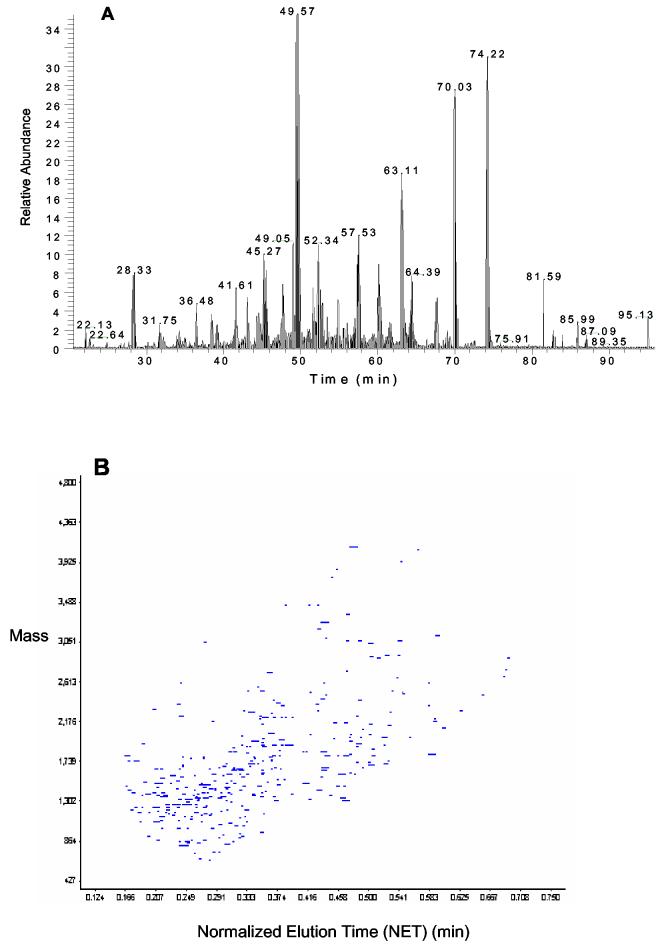
Challenges associated with the efficient and effective preparation of micro- and nanoscale (micro- and nanogram) clinical specimens for proteomic applications include the unmitigated sample losses that occur during the processing steps. Herein, we describe a simple "single-tube" preparation protocol appropriate for small proteomic samples using the organic cosolvent, trifluoroethanol (TFE) that circumvents the loss of sample by facilitating both protein extraction and protein denaturation without requiring a separate cleanup step. The performance of the TFE-based method was initially evaluated by comparisons to traditional detergent-based methods on relatively large scale sample processing using human breast cancer cells and mouse brain tissue. The results demonstrated that the TFE-based protocol provided comparable results to the traditional detergent-based protocols for larger, conventionally sized proteomic samples (>100 microg protein content), based on both sample recovery and numbers of peptide/protein identifications. The effectiveness of this protocol for micro- and nanoscale sample processing was then evaluated for the extraction of proteins/peptides and shown effective for small mouse brain tissue samples (approximately 30 microg total protein content) and also for samples of approximately 5000 MCF-7 human breast cancer cells (approximately 500 ng total protein content), where the detergent-based methods were ineffective due to losses during cleanup and transfer steps.
Figures

References
-
- Shen Y, Tolic N, Masselon C, Pasa-Tolic L, Camp DG, Hixson KK, Zhao R, Anderson GA, Smith RD. Anal. Chem. 2004;76:144–154. - PubMed
-
- Aebersold R, Mann M. Nature. 2003;422:198–207. - PubMed
-
- Eng JK, McCormack AL, Yates JR. J. Am. Soc. Mass Spectrom. 1994;5:976–989. - PubMed
-
- Perkins DN, Pappin DJ, Creasy DM, Cottrell JS. Electrophoresis. 1999;20:3551–3567. - PubMed
-
- Field H, Fenyo D, Beavis R. Proteomics. 2002;2:36–47. - PubMed
Publication types
MeSH terms
Substances
Grants and funding
LinkOut - more resources
Full Text Sources
Other Literature Sources
