Transcriptome analysis of Paracoccidioides brasiliensis cells undergoing mycelium-to-yeast transition
- PMID: 16339729
- PMCID: PMC1317488
- DOI: 10.1128/EC.4.12.2115-2128.2005
Transcriptome analysis of Paracoccidioides brasiliensis cells undergoing mycelium-to-yeast transition
Abstract
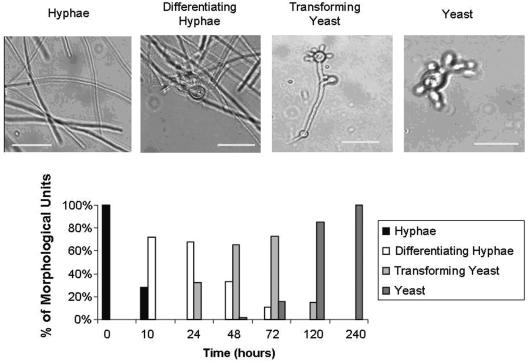
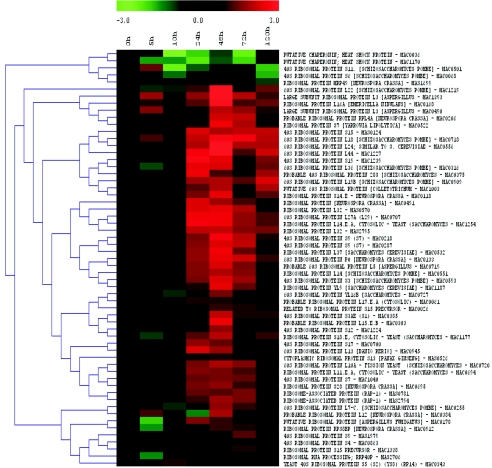
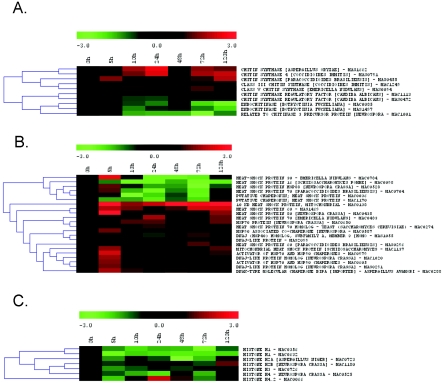
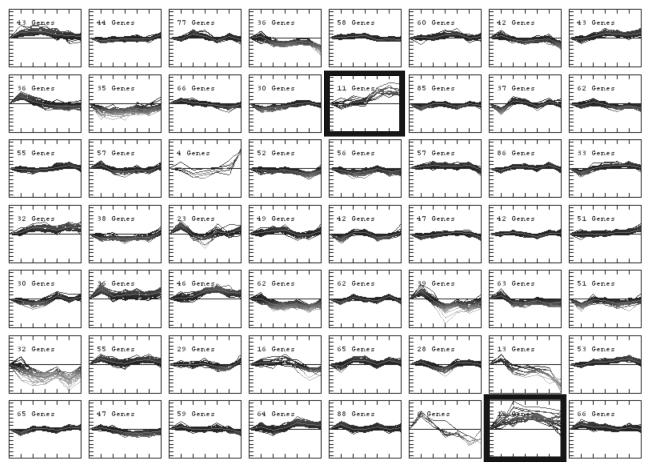
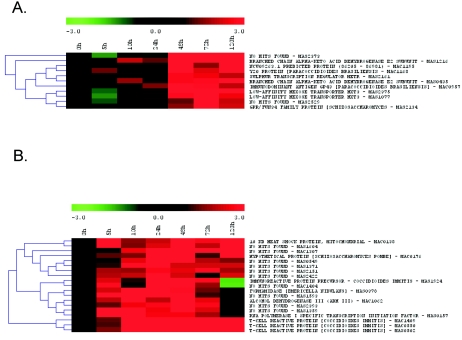
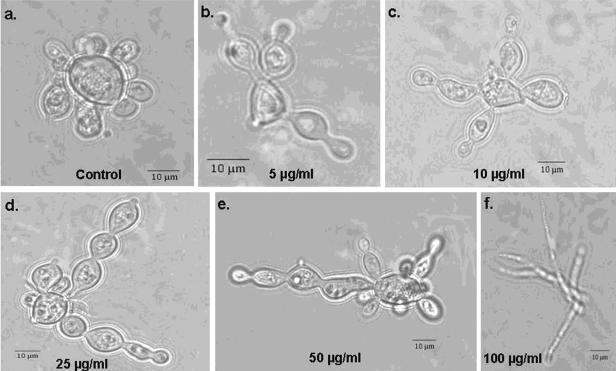
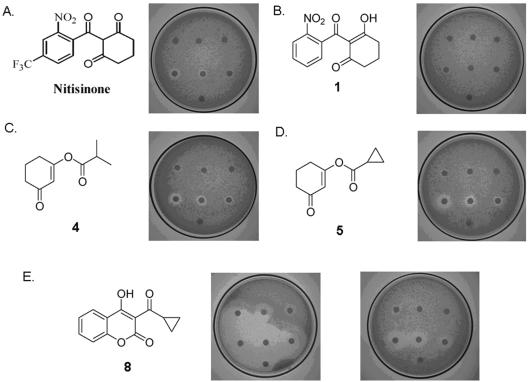
Paracoccidioides brasiliensis is a thermodimorphic fungus associated with paracoccidioidomycosis (PCM), a systemic mycosis prevalent in South America. In humans, infection starts by inhalation of fungal propagules, which reach the pulmonary epithelium and transform into the yeast parasitic form. Thus, the mycelium-to-yeast transition is of particular interest because conversion to yeast is essential for infection. We have used a P. brasiliensis biochip carrying sequences of 4,692 genes from this fungus to monitor gene expression at several time points of the mycelium-to-yeast morphological shift (from 5 to 120 h). The results revealed a total of 2,583 genes that displayed statistically significant modulation in at least one experimental time point. Among the identified gene homologues, some encoded enzymes involved in amino acid catabolism, signal transduction, protein synthesis, cell wall metabolism, genome structure, oxidative stress response, growth control, and development. The expression pattern of 20 genes was independently verified by real-time reverse transcription-PCR, revealing a high degree of correlation between the data obtained with the two methodologies. One gene, encoding 4-hydroxyl-phenyl pyruvate dioxygenase (4-HPPD), was highly overexpressed during the mycelium-to-yeast differentiation, and the use of NTBC [2-(2-nitro-4-trifluoromethylbenzoyl)-cyclohexane-1,3-dione], a specific inhibitor of 4-HPPD activity, as well as that of NTBC derivatives, was able to inhibit growth and differentiation of the pathogenic yeast phase of the fungus in vitro. These data set the stage for further studies involving NTBC and its derivatives as new chemotherapeutic agents against PCM and confirm the potential of array-based approaches to identify new targets for the development of alternative treatments against pathogenic microorganisms.
Figures
References
-
- Augstein, A., K. Barth, M. Gentsch, S. D. Kohlwein, and G. Barth. 2003. Characterization, localization and functional analysis of Gpr1p, a protein affecting sensitivity to acetic acid in the yeast Yarrowia lipolytica. Microbiology 149:589-600. - PubMed
-
- Belshaw, N. J., N. P. Haigh, N. M. Fish, D. B. Archer, and M. J. Alcocer. 2002. Use of a histone H4 promoter to drive the expression of homologous and heterologous proteins by Penicillium funiculosum. Appl. Microbiol. Biotechnol. 60:455-460. - PubMed
-
- Borges-Walmsley, M. I., D. Chen, X. Shu, and A. R. Walmsley. 2002. The pathobiology of Paracoccidioides brasiliensis. Trends Microbiol. 10:80-87. - PubMed
-
- Bowtell, D., and J. Sambrook (ed.). 2003. DNA microarrays—a molecular cloning manual, 1st edition. p. 214-217. Cold Spring Harbor Laboratory Press, Cold Spring Harbor, N.Y.
-
- Brownlee, J. M., K. Johnson-Winters, D. H. Harrison, and G. R. Moran. 2004. Structure of the ferrous form of (4-hydroxyphenyl)pyruvate dioxygenase from Streptomyces avermitilis in complex with the therapeutic herbicide, NTBC. Biochemistry 43:6370-6377. - PubMed
Publication types
MeSH terms
Substances
LinkOut - more resources
Full Text Sources
Other Literature Sources
Molecular Biology Databases