Shift work as an oxidative stressor
- PMID: 16379673
- PMCID: PMC1352383
- DOI: 10.1186/1740-3391-3-15
Shift work as an oxidative stressor
Abstract
Background: Some medical disorders have higher prevalence in shift workers than others. This study was designed to evaluate the effect of night-shift-working on total plasma antioxidant capacity, with respect to the causative role of oxidative stress in induction of some of these disorders.
Methods: Two blood samples were taken from 44 workers with a rotational shift schedule, one after their day shift and one after their night shift. The total plasma antioxidant capacity of each worker was measured through the FRAP method. The impacts of age and weight were also assessed.
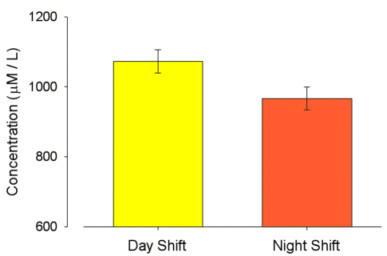
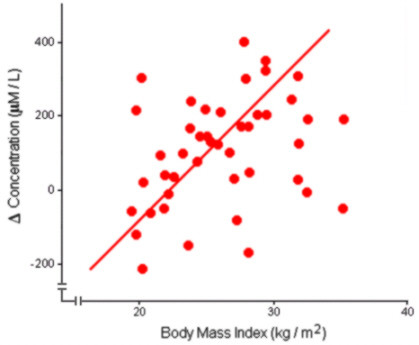
Results: The total plasma antioxidant capacity was measured in 44 shift-workers with a mean age of 36.57 years (SD: 10.18) and mean BMI of 26.06 (SD: 4.37) after their day and night shifts. The mean reduction of total plasma antioxidant capacity after the night shift was 105.8 micromol/L (SD: 146.39). Also, a significant correlation was shown between age and weight and total plasma antioxidant capacity. Age and weight were found to be inversely related to total plasma antioxidant capacity; as age and weight increased, the total plasma antioxidant capacity decreased.
Conclusion: Shift work can act as an oxidative stressor and may induce many medical disorders. Aging and obesity in shift workers makes them more sensitive to this hazardous effect.
Figures
References
-
- Pati AK, Chandrawshi A, Reinberg A. Shift work: consequence and management. Curr Sci. 2002;81:32–47.
-
- Husbands R, Schneider G, Li S. Working time around the world (Condition of Work Digest Volume 14) Geneva: International Labour Organization; 1995.
-
- Williams C. Social factors, work, stress and cardiovascular disease prevention in the European Union. Brussels: The European Heart Network; 1998.
-
- Sjoblom TS, Kalimo R, et al. Shift work, occupation and coronary disease – over 6 years of fallow up in the Helsinki heart study. Scand J Work Environ Health. 1997;23:257. - PubMed
-
- Gutteridge JMC. Lipid proxidation and antioxidants as biomarkers of tissue damage. Clinchem. 1995;41:1819–1828. - PubMed
LinkOut - more resources
Full Text Sources
Miscellaneous