Stereoselective disposition of fluoxetine and norfluoxetine during pregnancy and breast-feeding
- PMID: 16433870
- PMCID: PMC1885002
- DOI: 10.1111/j.1365-2125.2005.02538.x
Stereoselective disposition of fluoxetine and norfluoxetine during pregnancy and breast-feeding
Abstract
Aims: To compare the disposition of fluoxetine and norfluoxetine enantiomers in the mother, foetus and infant.
Methods: Blood from pregnant women taking fluoxetine (n = 9), during pregnancy was sampled in the third trimester and at delivery (maternal and cord venous blood), and from the infants 48 h after delivery. The subset of these women who were breastfeeding, plus additional subjects recruited in the postpartum period, were studied further, and maternal and infant blood, and breast milk was sampled between 6 days and 11 months (n = 23). Drug and metabolite concentrations were measured using gas chromatography/mass spectrometry or liquid chromatography, tandem mass spectrometry.
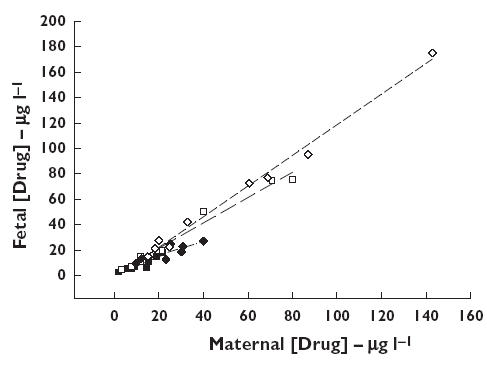
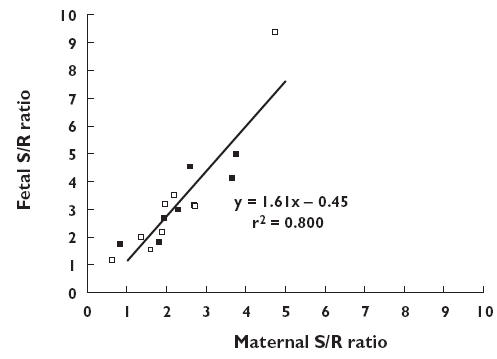
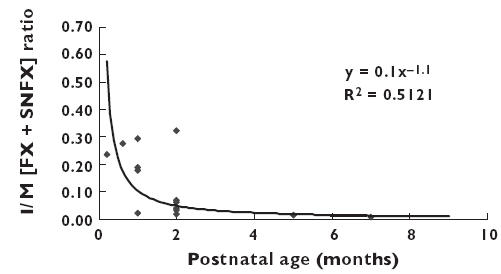
Results: There was a high correlation between maternal and foetal (cord blood) fluoxetine and norfluoxetine enantiomers (r(2)-0.9), the mean foetal/maternal ratios (95% confidence intervals) being 0.91 (0.61, 1.02) and 1.04 (0.93, 1.05), for fluoxetine and norfluoxetine, respectively. In 2 day old infants exposed to the drug in utero, the fluoxetine and norfluoxetine plasma concentrations were the same as in cord blood at delivery. Over the next 2 months, the plasma concentrations in the infants fell progressively. Stereoselective disposition of both the drug and metabolite in the mother, foetus, infant and breast milk was observed. The S : R ratios in the foetus and newborn ( approximately 3) were significantly higher than in the serum ( approximately 2) or breast milk ( approximately 1.9) of the mothers, resulting in greater exposure of the foetus and infants to the biologically active enantiomers, particularly S-norfluoxetine.
Conclusions: Foetal and infant exposure to fluoxetine and norfluoxetine is enhanced by their stereoselective disposition in the mother, foetus, breast milk and infant. Increased exposure may also result from decreased metabolism of the drug in the foetus and neonate.
Figures
References
-
- Nonacs R, Cohen LS. Depression during pregnancy: diagnosis and treatment options. J Clin Psychiatry. 2002;63(Suppl 7):24–30. - PubMed
-
- Larsson C, Sydsjö G, Josefsson A. Health, sociodemographic data, and pregnancy outcome in women with antepartum depressive symptoms. Obstet Gynecol. 2004;104:459–66. - PubMed
-
- Simon GE, Cunningham ML, Davis RL. Outcomes of prenatal antidepressant exposure. Am J Psychiatry. 2002;159:2055–61. - PubMed
-
- Chambers CD, Johnson KA, Dick LM, Felix RJ, Jones KL. Birth outcomes in pregnant women taking fluoxetine. N Engl J Med. 1996;335:1010–5. - PubMed