


The metabolic syndrome resulting from a knockout of the NEIL1 DNA glycosylase
- PMID: 16446448
- PMCID: PMC1413631
- DOI: 10.1073/pnas.0507444103
The metabolic syndrome resulting from a knockout of the NEIL1 DNA glycosylase
Abstract
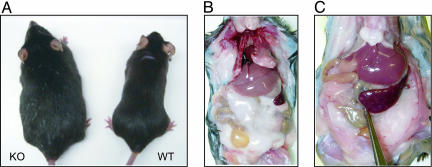
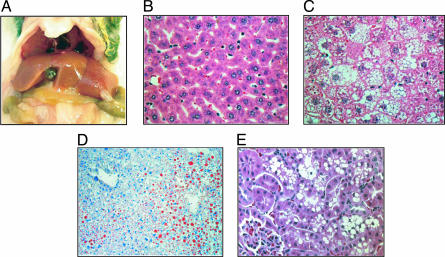
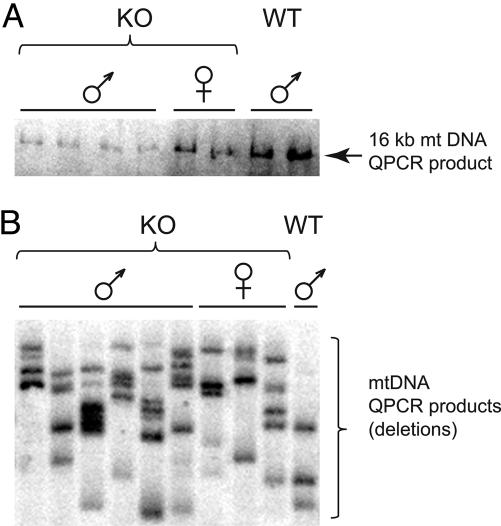
Endogenously formed reactive oxygen species continuously damage cellular constituents including DNA. These challenges, coupled with exogenous exposure to agents that generate reactive oxygen species, are both associated with normal aging processes and linked to cardiovascular disease, cancer, cataract formation, and fatty liver disease. Although not all of these diseases have been definitively shown to originate from mutations in nuclear DNA or mitochondrial DNA, repair of oxidized, saturated, and ring-fragmented bases via the base excision repair pathway is known to be critical for maintaining genomic stability. One enzyme that initiates base excision repair of ring-fragmented purines and some saturated pyrimidines is NEIL1, a mammalian homolog to Escherichia coli endonuclease VIII. To investigate the organismal consequences of a deficiency in NEIL1, a knockout mouse model was created. In the absence of exogenous oxidative stress, neil1 knockout (neil1-/-) and heterozygotic (neil1+/-) mice develop severe obesity, dyslipidemia, and fatty liver disease and also have a tendency to develop hyperinsulinemia. In humans, this combination of clinical manifestations, including hypertension, is known as the metabolic syndrome and is estimated to affect >40 million people in the United States. Additionally, mitochondrial DNA from neil1-/- mice show increased levels of steady-state DNA damage and deletions relative to wild-type controls. These data suggest an important role for NEIL1 in the prevention of the diseases associated with the metabolic syndrome.
Conflict of interest statement
Conflict of interest statement: No conflicts declared.
Figures
References
-
- Evans M. D., Dizdaroglu M., Cooke M. S. Mutat. Res. 2004;567:1–61. - PubMed
-
- Cooke M. S., Evans M. D., Dizdaroglu M., Lunec J. FASEB J. 2003;17:1195–1214. - PubMed
-
- Greenberg M. M. Biochem. Soc. Trans. 2004;32:46–50. - PubMed
-
- Cadet J., Douki T., Frelon S., Sauvaigo S., Pouget J. P., Ravanat J. L. Free Radical Biol. Med. 2002;33:441–449. - PubMed
-
- Dizdaroglu M., Jaruga P., Birincioglu M., Rodriguez H. Free Radical Biol. Med. 2002;32:1102–1115. - PubMed
Publication types
MeSH terms
Substances
Grants and funding
LinkOut - more resources
Full Text Sources
Medical
Molecular Biology Databases
