


Current opinions in sialolithiasis diagnosis and treatment
- PMID: 16450768
- PMCID: PMC2639864
Current opinions in sialolithiasis diagnosis and treatment
Abstract
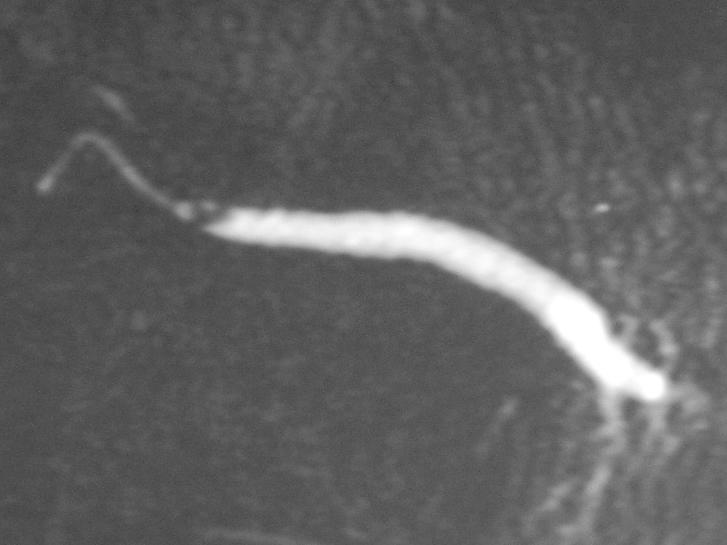
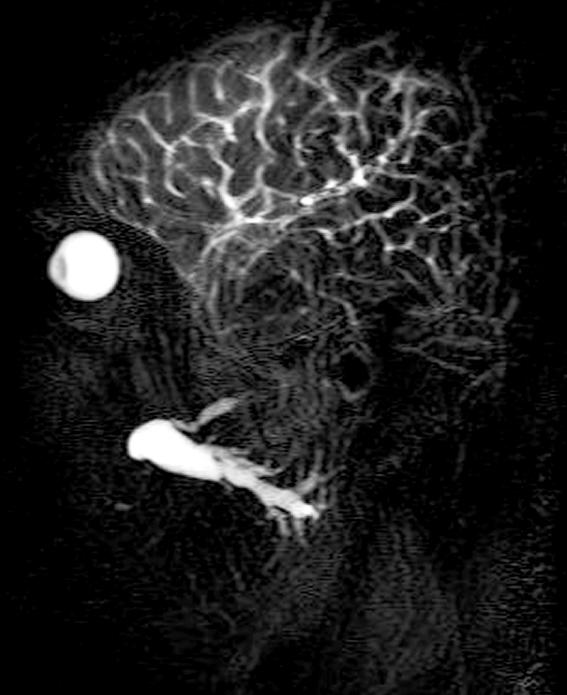
The introduction, 15 years ago, of extracorporeal shock wave lithotripsy in the treatment of salivary gland calculi, has changed the therapeutic approach in these patients. Aim of this study was to evaluate the efficacy of lithotripsy in sialolithiasis, after 10 years follow-up. A review has been made of the literature to establish current opinions in diagnosis and treatment of sialolithiasis. The role of ultrasonography, radiography and, in particular, of sialomagnetic resonance imaging in diagnosis of salivary lithiasis has been evaluated. The greater efficiency of the extracorporeal shock wave lithotripsy treatment for parotid, compared to submandibular calculi, has been demonstrated (57% versus 33%). In 68% of our patients, lithotripsy was resolutive after 10 years. Ultrasonograpy should be considered first choice examination in diagnosis of salivary calculi. Sialo-magnetic resonance imaging is a recent, non-invasive diagnostic procedure with the advantage of no radiation exposure, and with better definition of anatomical and functional state of glandular parenchyma and duct, compared to other available techniques.
L’introduzione, 15 anni fa, della litotrissia extracorporea con onde d’urto (ESWL) nella terapia della calcolosi salivare ha cambiato radicalmente l’approccio terapeutico di questi pazienti. L’obiettivo del nostro studio è stato quello di valutare l’efficacia terapeutica della litotrissia nei pazienti con scialolitiasi, tramite un follow-up a lungo termine (10 anni). È stata, inoltre, effettuata una revisione della letteratura con lo scopo di valutare le attuali conoscenze riguardanti la diagnosi e la terapia di questa patologia. È stato, poi, valutato il ruolo dell’ecografia, della radiografia ed in particolare della scialo-RM nella diagnosi di calcolosi salivare. La maggiore efficacia della litotrissia è stata riscontrata nella calcolosi della ghiandola parotide, rispetto alla ghiandola sottomandibolare (57% vs. 33%). La litotrissia extracorporea è stata risolutiva in 68% dei nostri pazienti, a 10 anni di distanza. L’ecografia si è confermata indagine di prima scelta nella diagnosi di calcolosi salivare. La scialo-RM è una metodica diagnostica non invasiva con il vantaggio di non esporre a radiazioni ionizzanti e che offre maggiori indicazioni anatomo-funzionali riguardo alle ghiandole salivari e al loro asse escretore, rispetto alle altre metodiche disponibili.
Figures
References
-
- Iro H, Nitsche N, Schneider TH, Ell C. Extracorporeal shockwave lithotripsy of salivary gland stones. Lancet 1989;2:115. - PubMed
-
- El Deeb M, Holte N, Gorlin RJ. Submandibular salivary gland sialoliths perforated through the oral floor. Oral Surg Oral Med Oral Pathol 1981;51:134-9. - PubMed
-
- Grases F, Santiago C, Simonet BM, Costa-Bauza A. Sialolithiasis: mechanism of calculi formation and etiologic factors. Clin Chim Acta 2003;334:131-6. - PubMed
-
- Chu DW, Chow TL, Lim BH, Kwok SPY. Endoscopic management of submandibular sialolithiasis. Surg Endosc 2003;17:876-9. - PubMed
-
- Austin T, Davis J, Chan T. Sialolithiasis of submandibular gland. J Emerg Med 2004;26:221-3. - PubMed
MeSH terms
LinkOut - more resources
Full Text Sources