Oxidative stress in type 2 diabetes: the role of fasting and postprandial glycaemia
- PMID: 16494646
- PMCID: PMC1448694
- DOI: 10.1111/j.1368-5031.2006.00825.x
Oxidative stress in type 2 diabetes: the role of fasting and postprandial glycaemia
Abstract
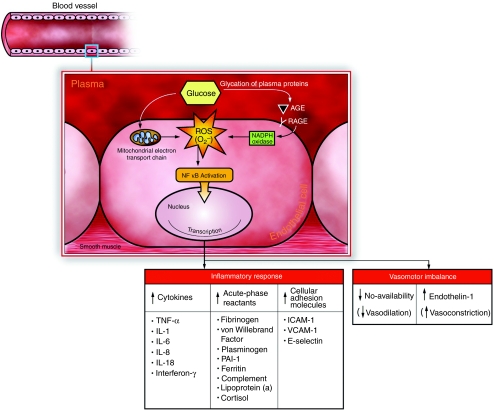
Oxidative stress, through the production of reactive oxygen species (ROS), has been proposed as the root cause underlying the development of insulin resistance, beta-cell dysfunction, impaired glucose tolerance and type 2 diabetes mellitus (T2DM). It has also been implicated in the progression of long-term diabetes complications, including microvascular and macrovascular dysfunction. Excess nourishment and a sedentary lifestyle leads to glucose and fatty acid overload, resulting in production of ROS. Additionally, reaction of glucose with plasma proteins forms advanced glycation end products, triggering production of ROS. These ROS initiate a chain reaction leading to reduced nitric oxide availability, increased markers of inflammation and chemical modification of lipoproteins, all of which may increase the risk of atherogenesis. With the postulation that hyperglycaemia and fluctuations in blood glucose lead to generation of ROS, it follows that aggressive treatment of fasting and postprandial hyperglycaemia is important for prevention of micro and macrovascular complications in T2DM.
Figures
References
-
- International Diabetes Federation. Diabetes e-Atlas. [July 14 2005]. Available at: http://www.eatlas.idf.org.
-
- Ceriello A, Motz E. Is oxidative stress the pathogenic mechanism underlying insulin resistance, diabetes, and cardiovascular disease? The common soil hypothesis revisited. Arterioscler Thromb Vasc Biol. 2004;24:816–23. - PubMed
-
- Brownlee M. Biochemistry and molecular cell biology of diabetic complications. Nature. 2001;414:813–20. - PubMed
-
- Maddux BA, See W, Lawrence JC, et al. Protection against oxidative stress-induced insulin resistance in rat L6 muscle cells by mircomolar concentrations of alpha-lipoic acid. Diabetes. 2001;50:404–10. - PubMed
-
- Hirsh IB, Brownlee M. Should minimal blood glucose variability become the gold standard of glycemic control? J Diabetes Complications. 2005;19:178–81. - PubMed
Publication types
MeSH terms
Substances
LinkOut - more resources
Full Text Sources
Other Literature Sources
Medical