


Review
doi: 10.3201/eid1202.050874.
Bartonella quintana characteristics and clinical management
Affiliations
- PMID: 16494745
- PMCID: PMC3373112
- DOI: 10.3201/eid1202.050874
Item in Clipboard
Review
Bartonella quintana characteristics and clinical management
Emerg Infect Dis.
2006 Feb.
Abstract
Bartonella quintana, a pathogen that is restricted to human hosts and louse vectors, was first characterized as the agent of trench fever. The disease was described in 1915 on the basis of natural and experimental infections in soldiers. It is now recognized as a reemerging pathogen among homeless populations in cities in the United States and Europe and is responsible for a wide spectrum of conditions, including chronic bacteremia, endocarditis, and bacillary angiomatosis. Diagnosis is based on serologic analysis, culture, and molecular biology. Recent characterization of its genome allowed the development of modern diagnosis and typing methods. Guidelines for the treatment of B. quintana infections are presented.
Figures
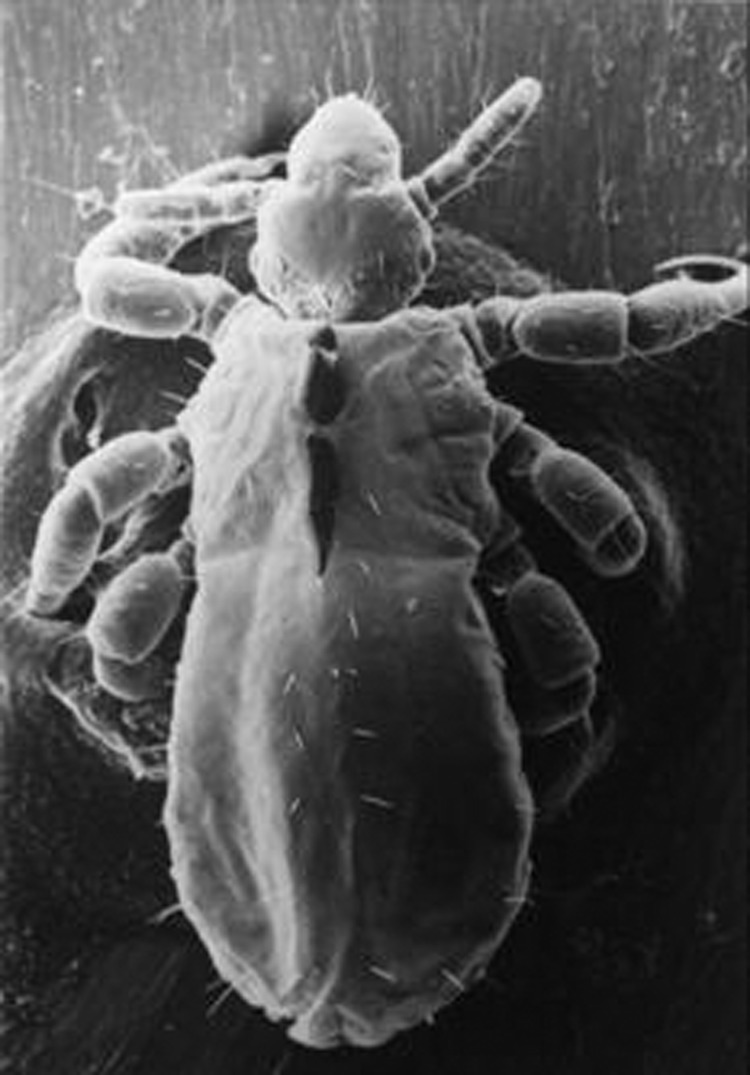
Pediculus humanus corporis, the human body louse, viewed with electron microscope at magnification ×120.
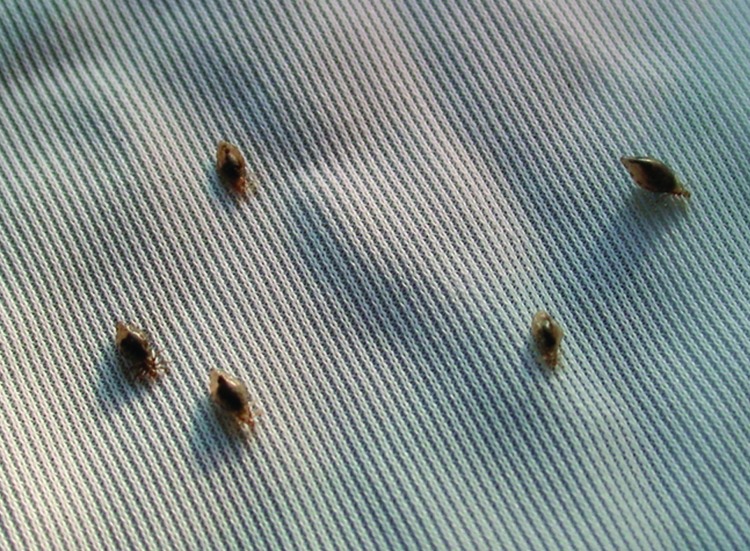
Human body lice in clothes.
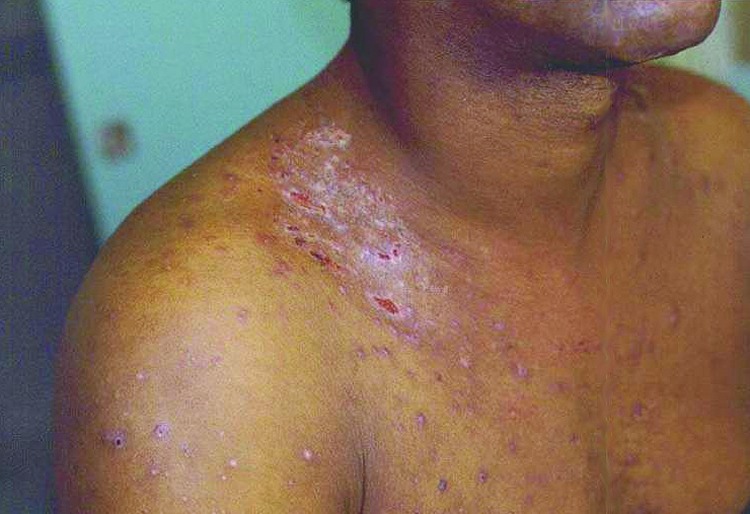
Lesions from scratching induced by body lice infestation.
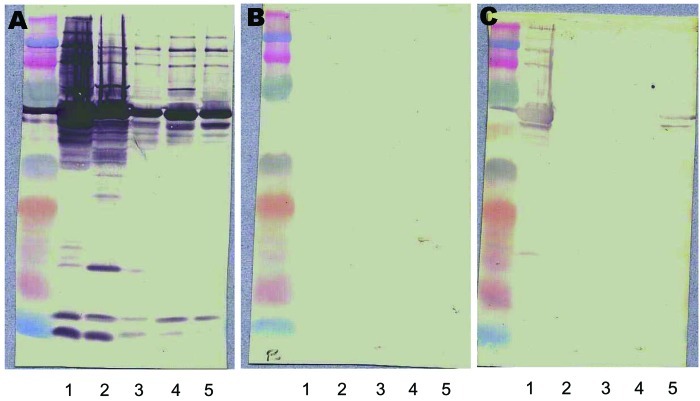
Western blot and cross-adsorption results in a patient with Bartonella quintana endocarditis. A) Nonadsorbed. B) Adsorbed with B. quintana. C) Adsorbed with B. henselae. Lane 1, B. quintana; lane 2, B. henselae; lane 3, B. elizabethae; lane 4, B. vinsonii subsp. Berkhoffi; lane 5, B. vinsonii subsp. Arupensis. Before adsorption (A), antibodies are detected against all species (1, 2, 3, 4, and 5). After adsorption with B. quintana antigen (B), all antibodies disappear. After adsorption with B. henselae antigen (C), antibodies against B. quintana (1) persist. This reaction shows B. quintana infection.
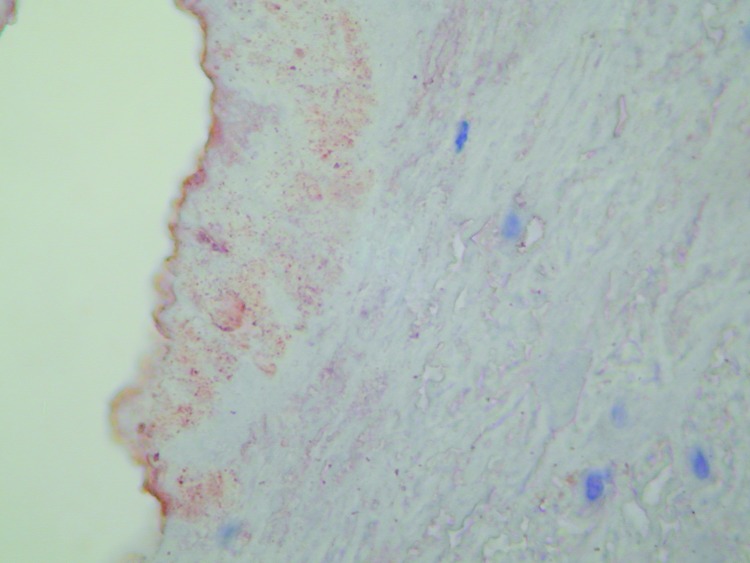
Immunohistochemical demonstration of Bartonella sp. in a cardiac valve of a patient with endocarditis. Magnification ×400.
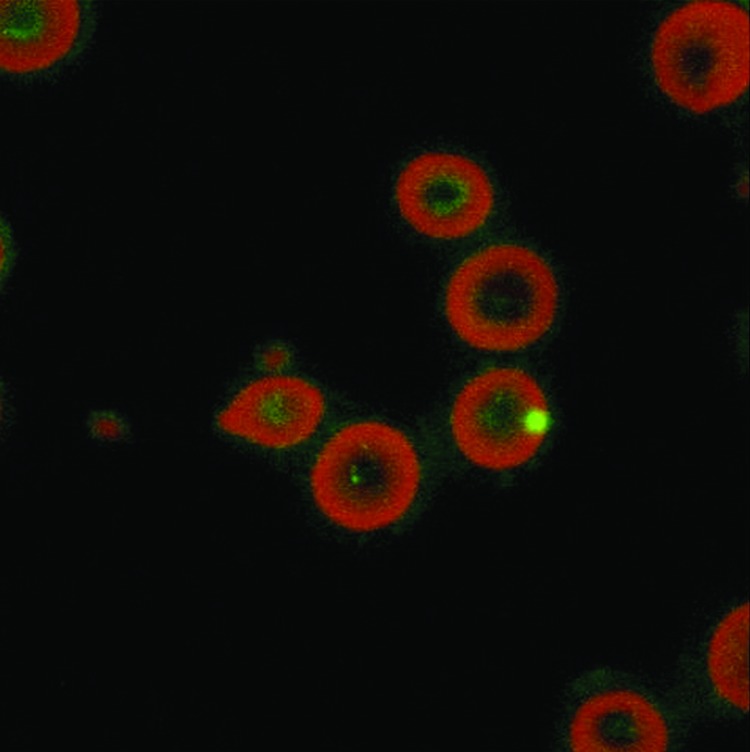
Laser confocal microscopy showing the intraerythrocytic location of Bartonella quintana. Magnification ×400.
References
-
- Byam W, Carroll JH, Churchill JH, Dimond L, Sorapure VE, Wilson RM, et al. Trench fever. Oxford (UK): Oxford University Press; 1919.
-
- McNee JW, Renshaw A, Brunt EH. "Trench fever": a relapsing fever occurring with the British forces in France. BMJ. 1916;12:225–34. 10.1136/bmj.1.2876.225 - DOI
Publication types
MeSH terms
LinkOut - more resources
Full Text Sources