


Silymarin protects against acute ethanol-induced hepatotoxicity in mice
- PMID: 16499481
- PMCID: PMC4217313
- DOI: 10.1111/j.1530-0277.2006.00063.x
Silymarin protects against acute ethanol-induced hepatotoxicity in mice
Abstract
Background: Accumulated evidence has demonstrated that both oxidative stress and abnormal cytokine production, especially tumor necrosis factor-alpha (TNF), play important etiological roles in the pathogenesis of alcoholic liver disease (ALD). Agents that have both antioxidant and anti-inflammation properties, particularly anti-TNF production, represent promising therapeutic interventions for ALD. We investigated the effects and the possible mechanism(s) of silymarin on liver injury induced by acute ethanol (EtOH) administration.
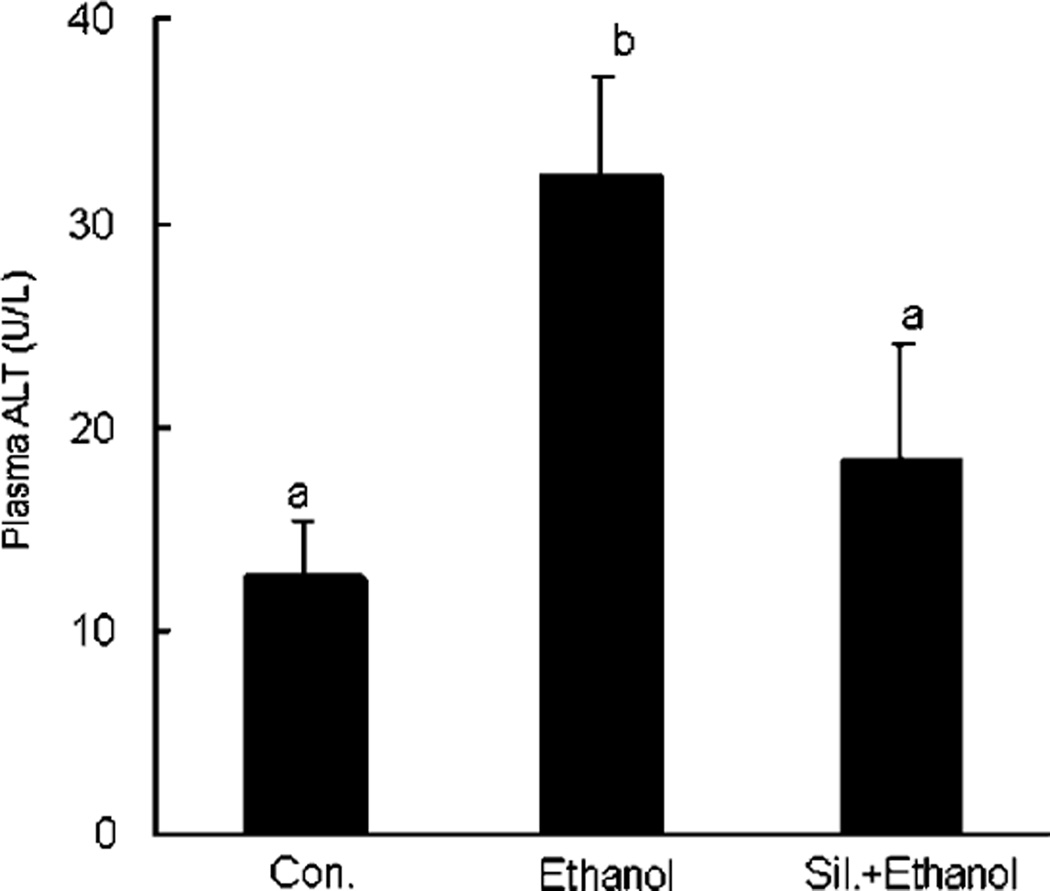
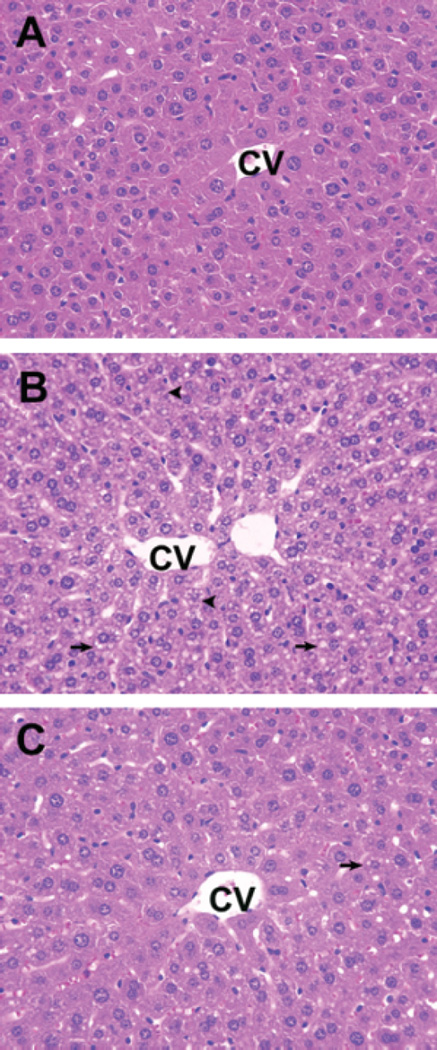
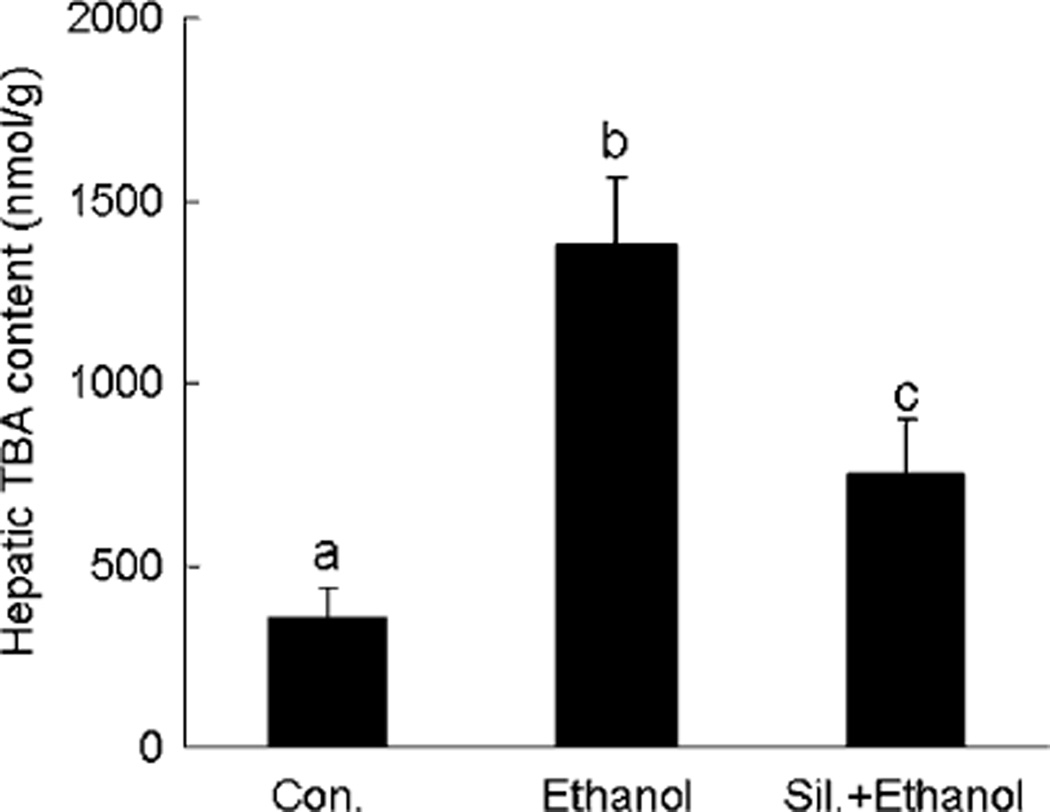
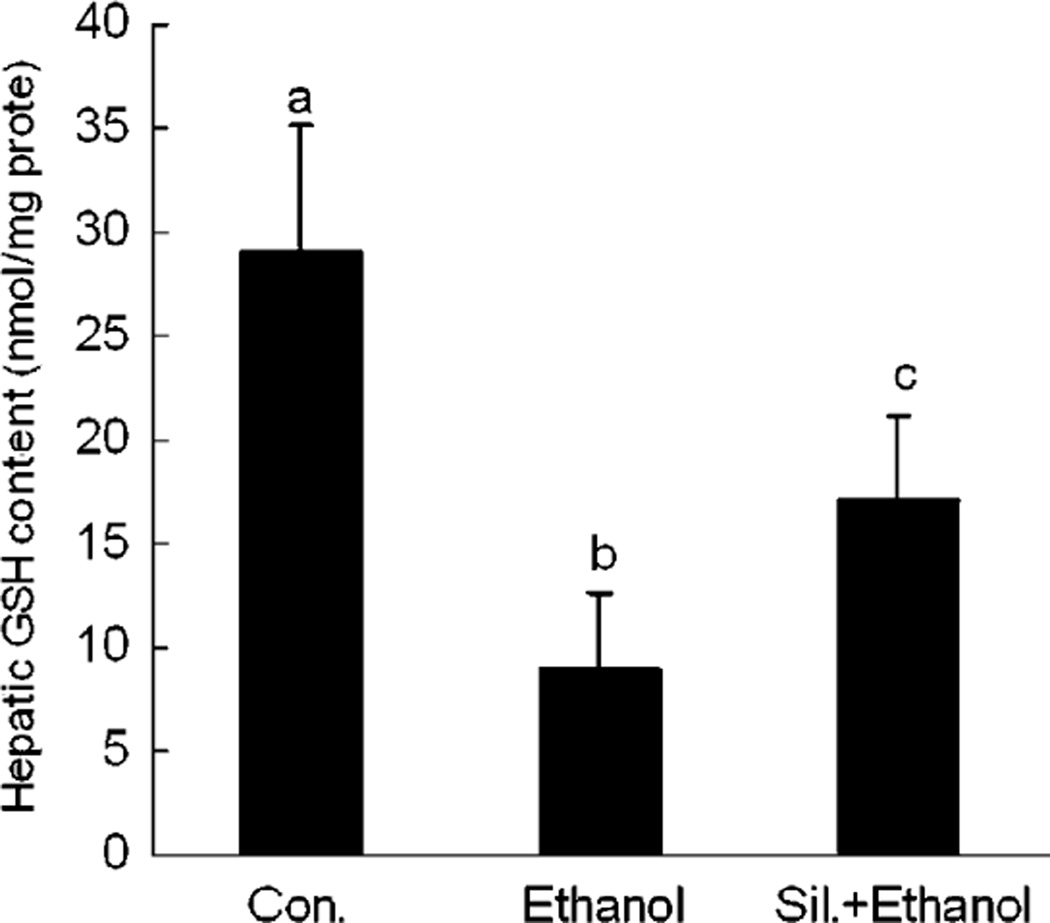
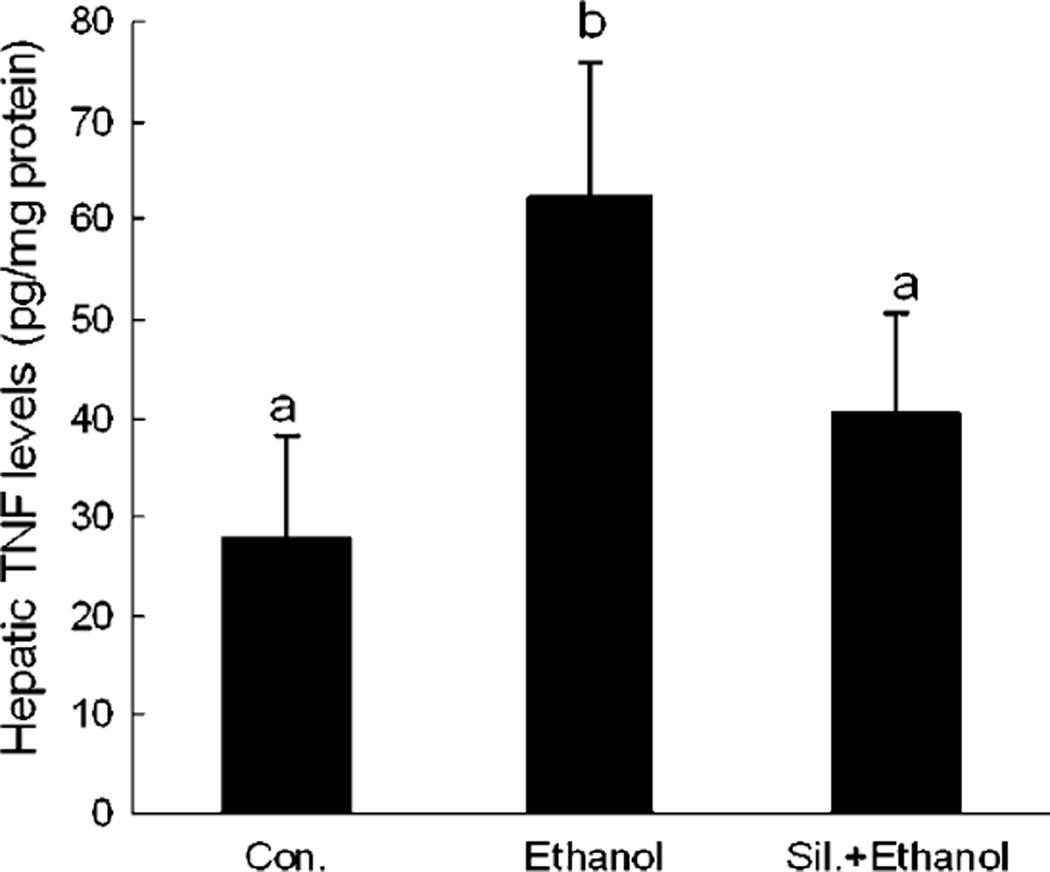
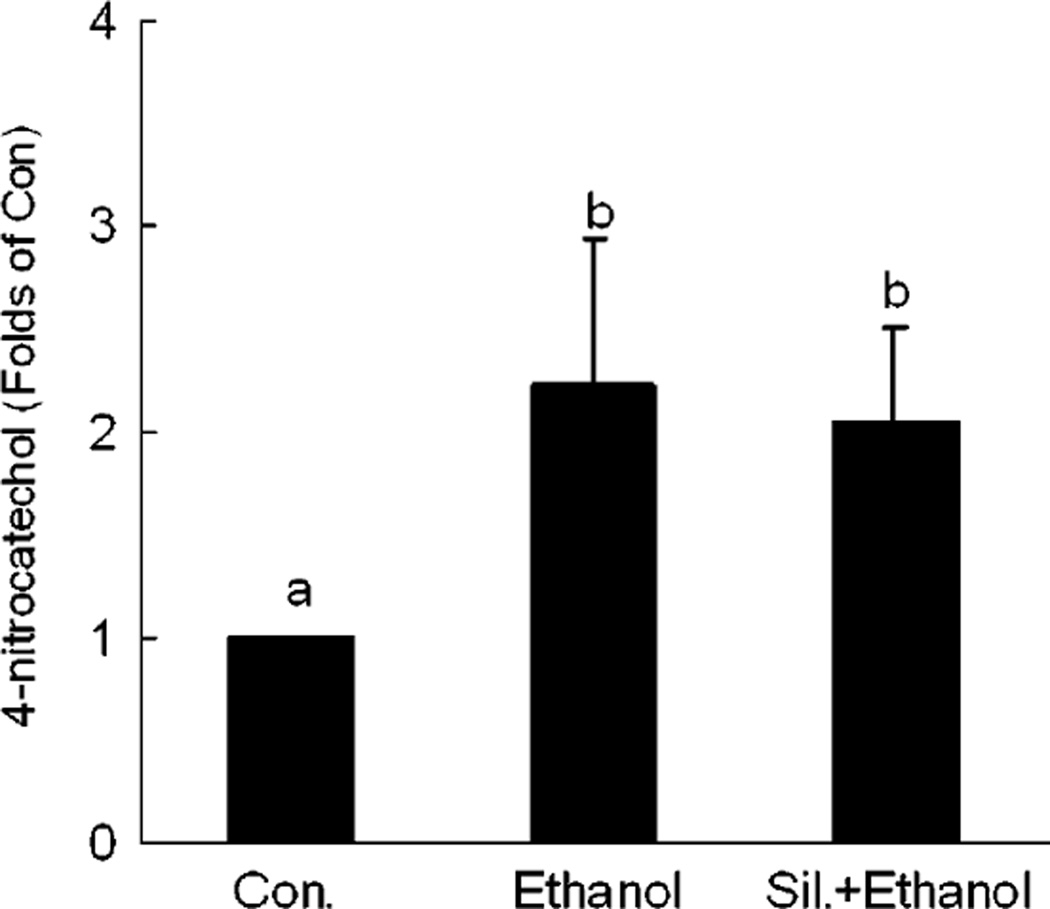
Methods: Nine-week-old mice were divided into 4 groups, control, silymarin treatment, EtOH treatment, and silymarin/EtOH treatment, with 6 mice in each group. Because control and silymarin values were virtually identical, only control treatment is shown for ease of viewing. Ethanol-treated mice received EtOH [5 g/kg body weight (BW)] by gavage every 12 hours for a total of 3 doses. Control mice received an isocalorical maltose solution. In the silymarin/EtOH group, silymarin was dissolved in the EtOH and gavaged simultaneously with EtOH at a dose of 200 mg/kg BW. At 4 hours after the last dosing, the mice were anesthetized and subsequent serum alanine aminotransferase (ALT) level, hepatic lipid peroxidation, enzymatic activity of hepatic cytochrome P450 2E1, hepatic TNF-alpha, and glutathione (GSH) levels were measured. Histopathological change was assessed by hematoxylin and eosin staining.
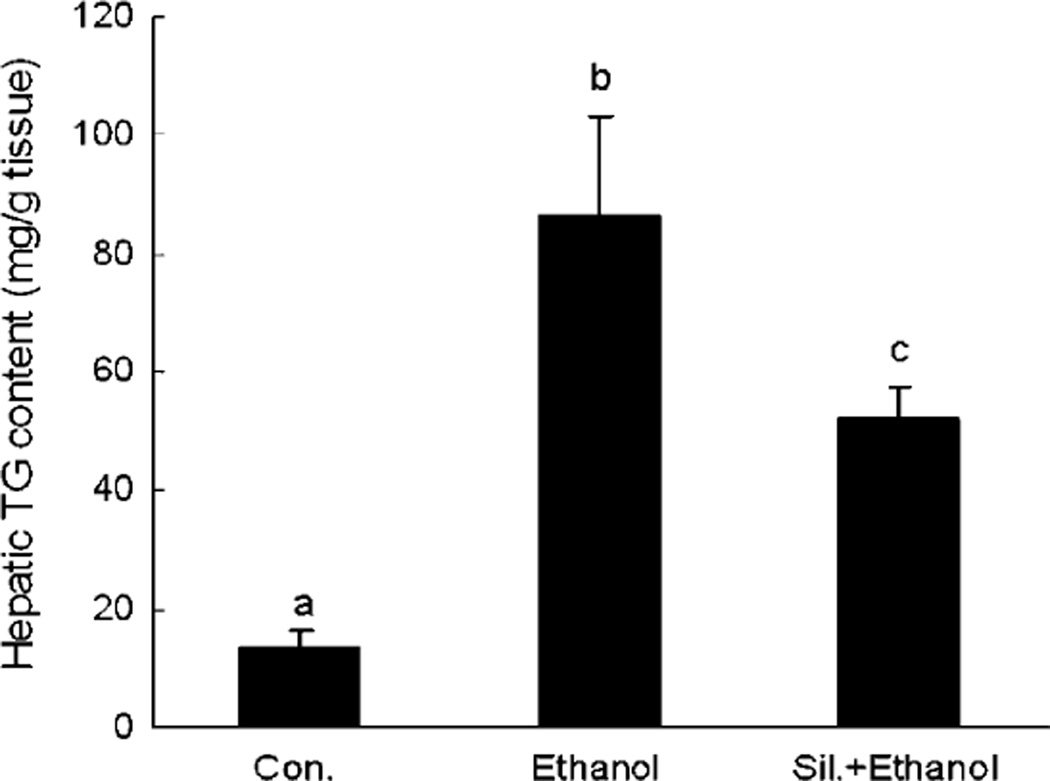
Results: Acute EtOH administration caused prominent hepatic microvesicular steatosis with mild necrosis and an elevation of serum ALT activity, induced a significant decrease in hepatic GSH in conjunction with enhanced lipid peroxidation, and increased hepatic TNF production. Supplementation with a standardized silymarin attenuated these adverse changes induced by acute EtOH administration.
Conclusions: Silymarin protects against the liver injury caused by acute EtOH administration. In view of its nontoxic nature, it may be developed as an effective therapeutic agent for alcohol-induced liver disease by its antioxidative stress and anti-inflammatory features.
Figures
References
-
- Carson E, Pruett S. Development and characterization of a binge drinking model in mice for evaluation of the immunological effects of ethanol. Alcohol Clin Exp Res. 1996;20:132–138. - PubMed
-
- Cho JY, Kim PS, Park J, Yoo ES, Baik KU, Kim YK, Park MH. Inhibitor of tumor necrosis factor-alpha production in lipopolysaccharide-stimulated RAW264.7 cells from Amorpha fruticosa. J Ethnopharmacol. 2000;70:127–133. - PubMed
-
- Dehmlow C, Erhard J, de Groot H. Inhibition of Kupffer cell functions as an explanation for the hepatoprotective properties of silibinin. Hepatology. 1996;23:749–754. - PubMed
-
- Farghali H, Kamenikova L, Hynie S, Kmonickova E. Silymarin effects on intracellular calcuim and cytotoxicity: a study in perfused rat hepatocytes after oxidative stress injury. Pharmacol Res. 2000;41:231–237. - PubMed
-
- Ferenci P, Dragosics B, Dittrich H, Frank H, Benda L, Lochs H, Meryn S, Base W, Schneider B. Randomized controlled trial of silymarin treatment in patients with cirrhosis of the liver. J Hepatol. 1989;9:105–113. - PubMed
MeSH terms
Substances
Grants and funding
LinkOut - more resources
Full Text Sources
Medical
