


Mucosal tolerance to E-selectin and response to systemic inflammation
- PMID: 16596122
- PMCID: PMC1853373
- DOI: 10.1038/sj.jcbfm.9600308
Mucosal tolerance to E-selectin and response to systemic inflammation
Abstract
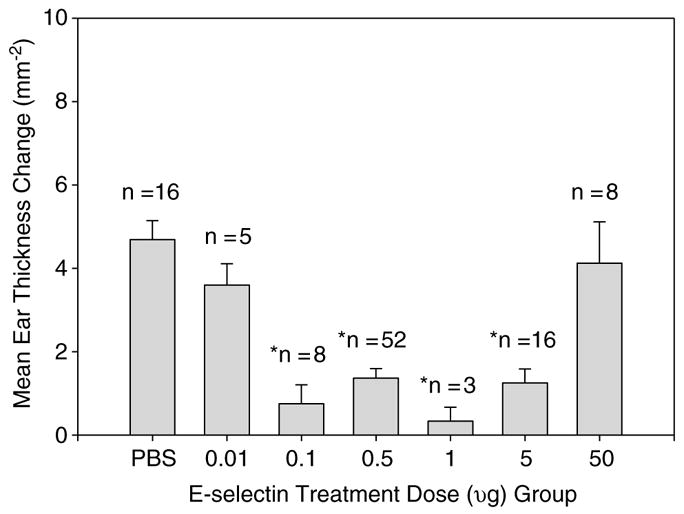
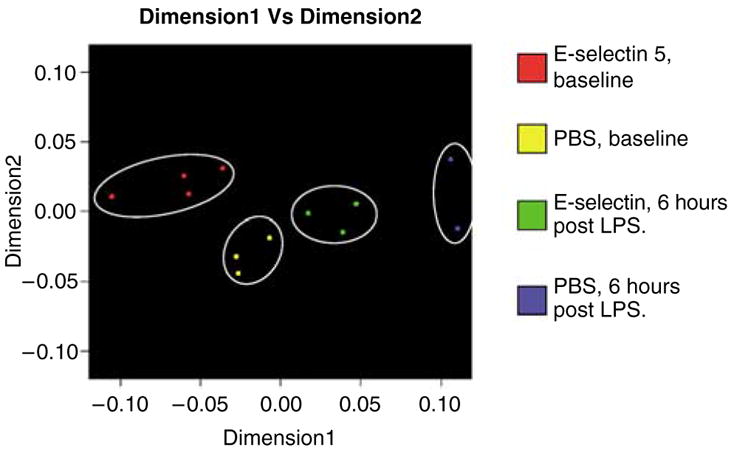
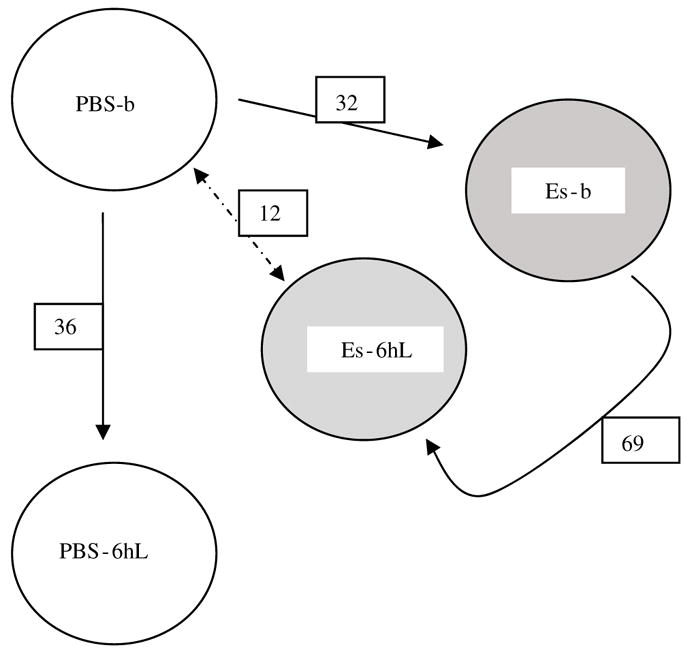
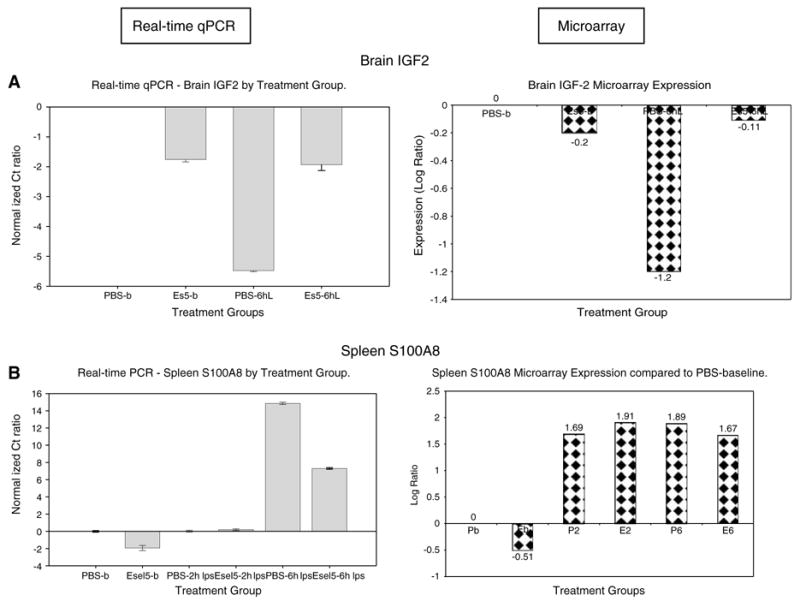
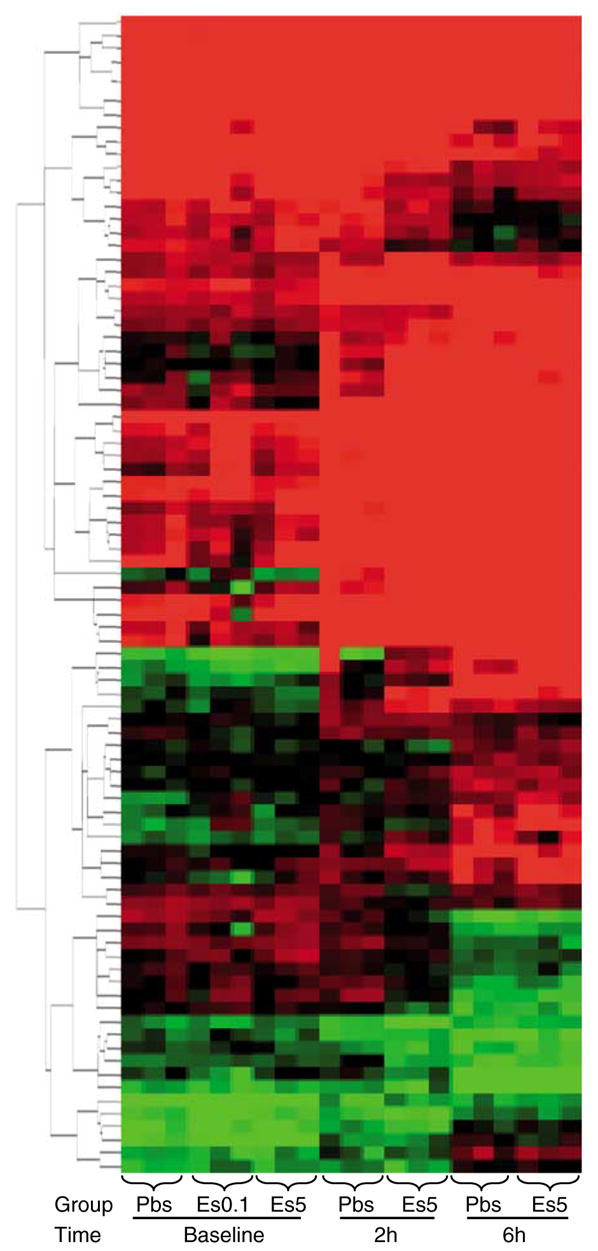
Mucosal tolerance to E-selectin has been shown to prevent stroke and reduce brain infarcts in experimental stroke models. However, the effective E-selectin dose range required to achieve mucosal tolerance and the precise mechanisms of neuroprotection remain unclear. We sought to examine the mechanisms of cytoprotection using gene expression profiling of tissues in the setting of mucosal tolerance and inflammatory challenge. Using spontaneously hypertensive rats (SHRs), we achieved immune tolerance with 0.1 to 5 microg E-selectin per nasal instillation and observed a dose-related anti-E-selectin immunoglobulin G antibody production. We also show the distinct patterns of gene expression changes in the brain and spleen with the different tolerizing doses and lipopolysaccharide (LPS) exposure. Prominent differences were seen with such genes as insulin-like growth factors in the brain and downregulation of those encoding the major histocompatibility complex class I molecules in the spleen. In all, mucosal tolerance to E-selectin and subsequent exposure to LPS resulted in significant tissue changes. These changes, while giving an insight to the underlying mechanisms, serve as possible targets for future studies to facilitate translation to human clinical trials.
Figures
References
-
- Beilharz EJ, Bassett NS, Sirimanne ES, Williams CE, Gluckman PD. Insulin-like growth factor II is induced during wound repair following hypoxic–ischemic injury in the developing rat brain. Brain Res Mol Brain Res. 1995;29:81–91. - PubMed
-
- Blumberg RS. Current concepts in mucosal immunity. II. One size fits all: nonclassical MHC molecules fulfill multiple roles in epithelial cell function. Am J Physiol. 1998;274:G227–31. - PubMed
-
- Bogumil T, Rieckmann P, Kubuschok B, Felgenhauer K, Bruck W. Serum levels of macrophage-derived protein MRP-8/14 are elevated in active multiple sclerosis. Neurosci Lett. 1998;247:195–7. - PubMed
-
- Butovsky O, Talpalar AE, Ben-Yaakov K, Schwartz M. Activation of microglia by aggregated beta-amyloid or lipopolysaccharide impairs MHC-II expression and renders them cytotoxic whereas IFN-gamma and IL-4 render them protective. Mol Cell Neurosci. 2005;29:381–93. - PubMed
Publication types
MeSH terms
Substances
Grants and funding
LinkOut - more resources
Full Text Sources
Other Literature Sources
