


Neuronal substrates of relapse to cocaine-seeking behavior: role of prefrontal cortex
- PMID: 16596984
- PMCID: PMC1389785
- DOI: 10.1901/jeab.2005.105-04
Neuronal substrates of relapse to cocaine-seeking behavior: role of prefrontal cortex
Abstract
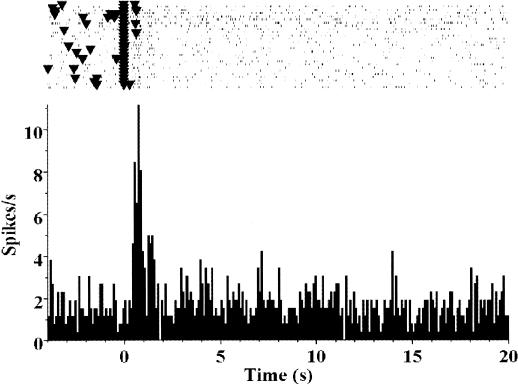
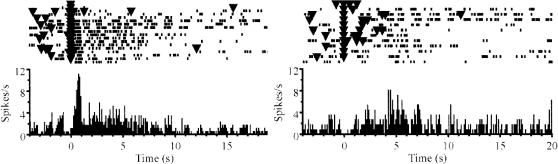
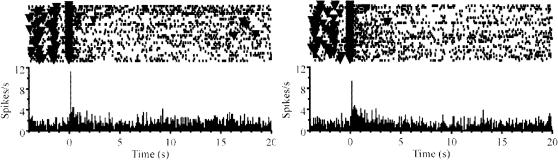
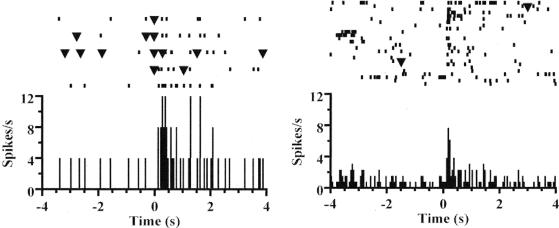
The return to drug seeking, even after prolonged periods of abstinence, is a defining feature of cocaine addiction. The neural circuitry underlying relapse has been identified in neuropharmacological studies of experimental animals, typically rats, and supported in brain imaging studies of human addicts. Although the nucleus accumbens (NAcc), which has long been implicated in goal-directed behavior, plays a critical role in this circuit, the prefrontal cortex (PFC) appears to process the events that directly trigger relapse: exposure to acute stress, cues previously associated with the drug, and the drug itself. In this paper, we review animal models of relapse and what they have revealed about the mechanisms underlying the involvement of the NAcc and PFC in cocaine-seeking behavior. We also present electrophysiological data from PFC illustrating how the hedonic, motor, motivational, and reinforcing effects of cocaine can be analyzed at the neuronal level. Our preliminary findings suggest a role for PFC in processing information related to cocaine seeking but not the hedonic effects of the drug. Further use of this recording technology can help dissect the functions of PFC and other components of the neural circuitry underlying relapse.
Figures
References
-
- Anderson S.M, Bari A.A, Pierce R.C. Administration of the D1-like dopamine receptor antagonist SCH-23390 into the medial nucleus accumbens shell attenuates cocaine priming-induced reinstatement of drug-seeking behavior in rats. Psychopharmacology (Berl) 2003;168:132–138. - PubMed
-
- Apicella P, Ljungberg T, Scarnati E, Schultz W. Responses to reward in monkey dorsal and ventral striatum. Experimental Brain Research. 1991;85:491–500. - PubMed
-
- Baker D.A, McFarland K, Lake R.W, Shen H, Tang X.C, Toda S, Kalivas P.W. Neuroadaptations in cystine-glutamate exchange underlie cocaine relapse. Nature Neuroscience. 2003;6:743–749. - PubMed
-
- Bergman J, Katz J.L. Behavioral pharmacology of cocaine and the determinants of abuse liability. In: Higgins S.T, Katz J.L, editors. Cocaine abuse: Behavior, pharmacology, and clinical applications. San Diego: Academic Press; 1998. pp. 51–79.
-
- Bowers M.S, Lake R.W, McFarland K, Peterson Y.K, Lanier S.M, Lapish C.C, Kalivas P.W. AGS3: A G-Protein regulator of addiction-associated behaviors. Annals of the New York Academy of Science. 2003;1003:356–357. - PubMed
Publication types
MeSH terms
Substances
Grants and funding
LinkOut - more resources
Full Text Sources
Medical
Miscellaneous
