


Identification of a novel 74-kiloDalton immunodominant antigen of Pythium insidiosum recognized by sera from human patients with pythiosis
- PMID: 16672392
- PMCID: PMC1479217
- DOI: 10.1128/JCM.44.5.1674-1680.2006
Identification of a novel 74-kiloDalton immunodominant antigen of Pythium insidiosum recognized by sera from human patients with pythiosis
Abstract
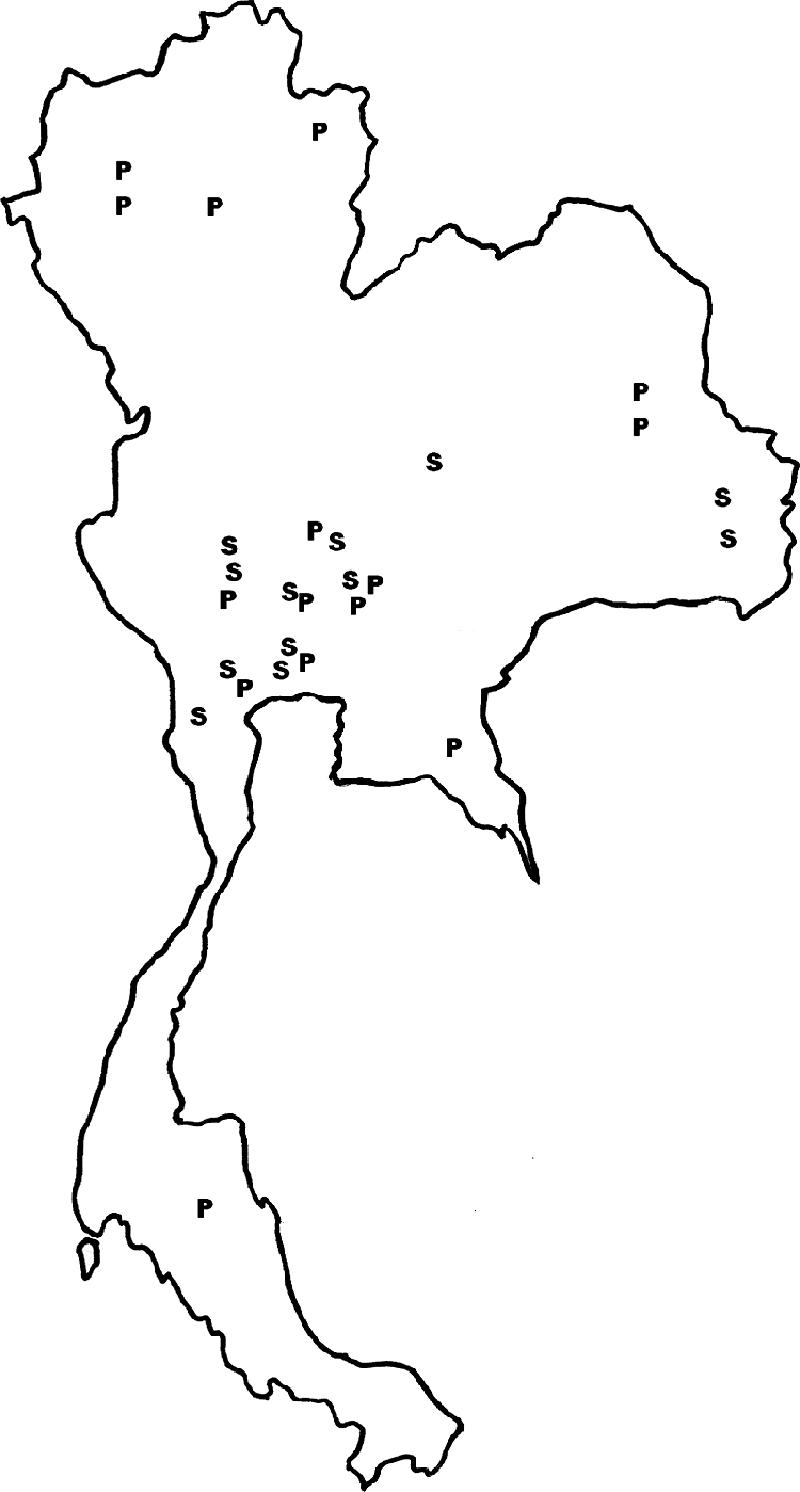
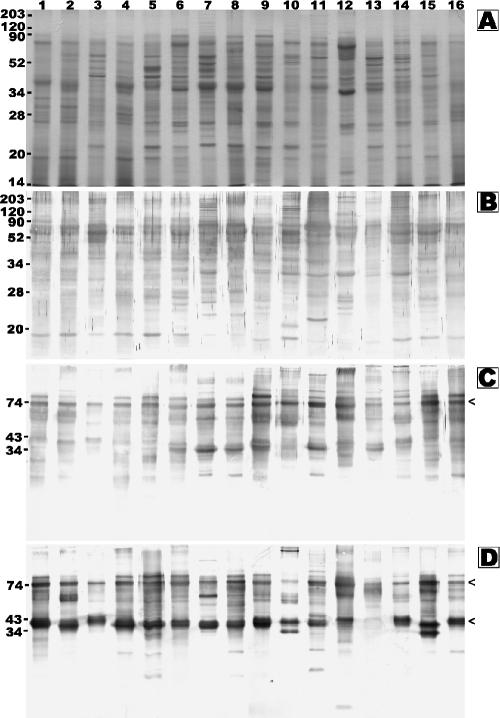
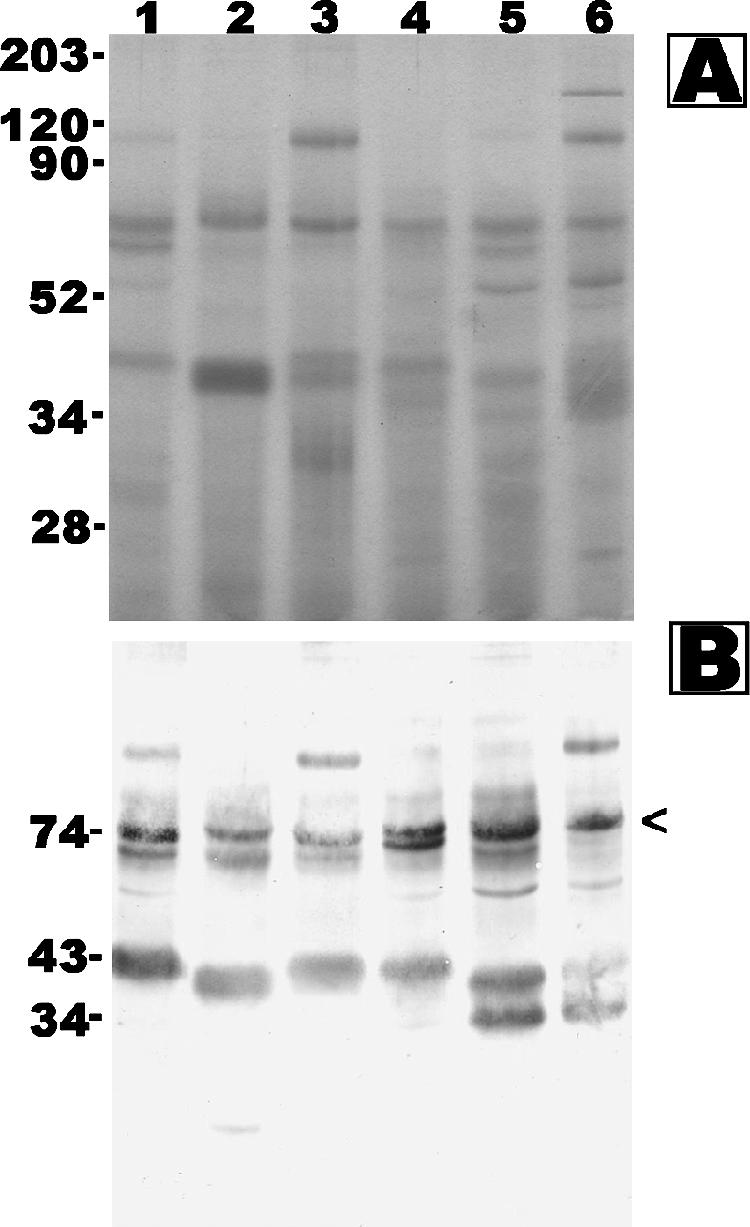
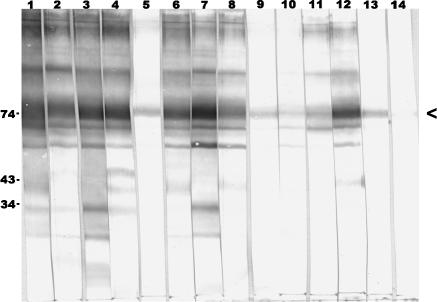
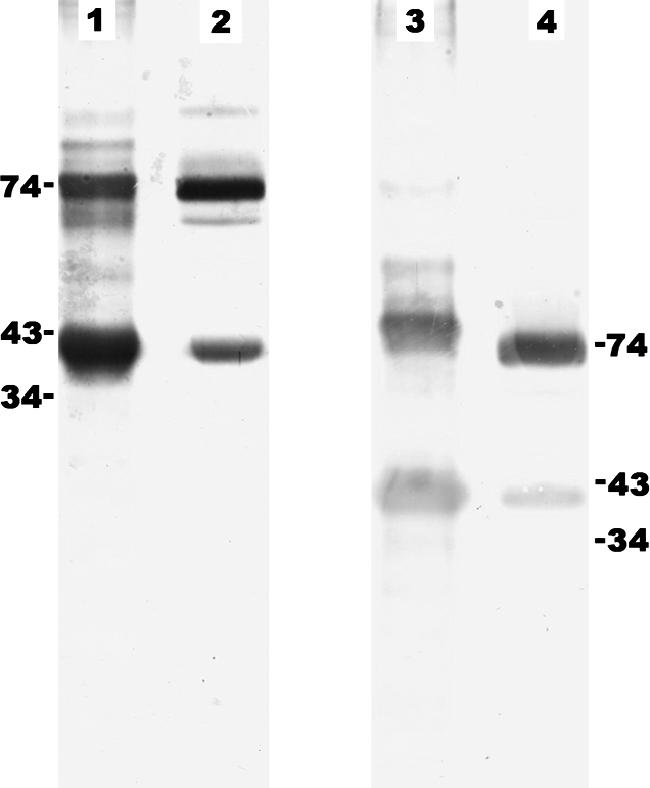
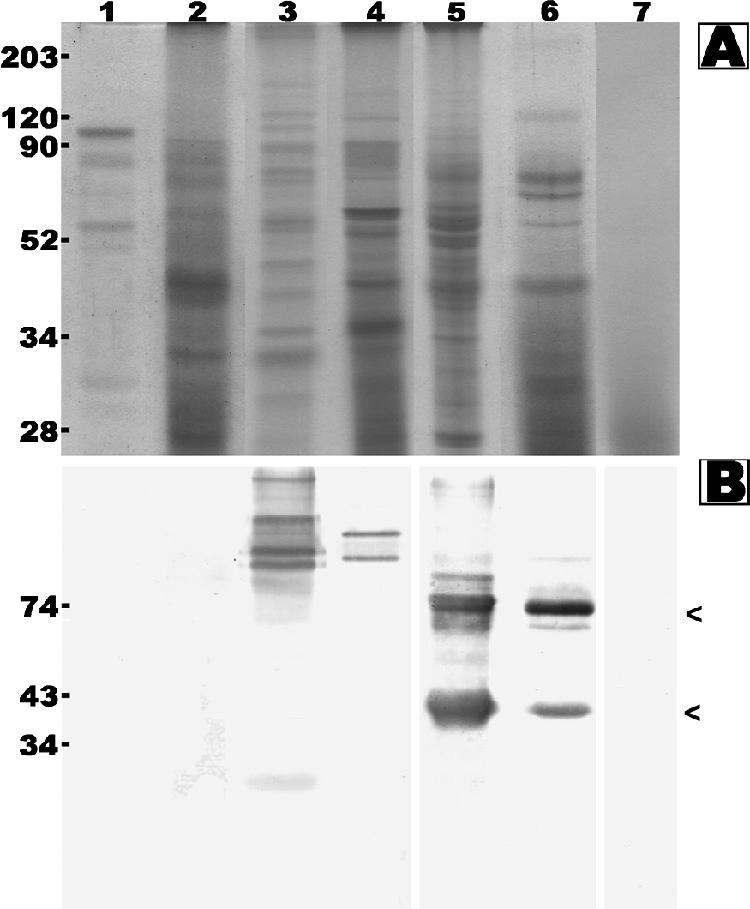
The oomycetous, fungus-like, aquatic organism Pythium insidiosum is the etiologic agent of pythiosis, a life-threatening infectious disease of humans and animals that has been increasingly reported from tropical, subtropical, and temperate countries. Human pythiosis is endemic in Thailand, and most patients present with arteritis, leading to limb amputation and/or death, or cornea ulcer, leading to enucleation. Diagnosis of pythiosis is time-consuming and difficult. Radical surgery is the main treatment for pythiosis because conventional antifungal drugs are ineffective. The aims of this study were to evaluate the use of Western blotting for diagnosis of human pythiosis, to identify specific immunodominant antigens of P. insidiosum, and to increase understanding of humoral immune responses against the pathogen. We performed Western blot analysis on 16 P. insidiosum isolates using 12 pythiosis serum samples. These specimens were derived from human patients with pythiosis who had different forms of infection and lived in different geographic areas throughout Thailand. We have identified a 74-kDa immunodominant antigen in all P. insidiosum isolates tested. The 74-kDa antigen was also recognized by sera from all patients with pythiosis but not by control sera from healthy individuals, patients with thalassemia, and patients with various infectious diseases, indicating that Western blot analysis could facilitate diagnosis of pythiosis. Therefore, the 74-kDa antigen is a potential target for developing rapid serodiagnostic tests as well as a therapeutic vaccine for pythiosis. These advances could lead to early diagnosis and effective treatment, crucial factors for better prognosis for patients with pythiosis.
Figures
References
-
- Bollag, D., M. Rozycki, and S. Edelstein. 1996. Protein concentration determination, p. 62-67. In D. Bollag, M. Rozycki, and S. Edelstein (ed.), Protein methods, 2nd ed. Wiley-Liss, Inc., New York, N.Y.
-
- Chetchotisakd, P., C. Pairojkul, O. Porntaveevudhi, B. Sathapatayavongs, P. Mairiang, K. Nuntirooj, B. Patjanasoontorn, O. T. Saew, A. K. Chaiprasert, and M. R. Haswell-Elkins. 1992. Human pythiosis in Srinagarind Hospital: one year's experience. J. Med. Assoc. Thai. 75:248-254. - PubMed
-
- Dixon, D. M., A. Casadevall, B. Klein, L. Mendoza, L. Travassos, and G. S. Deepe, Jr. 1998. Development of vaccines and their use in the prevention of fungal infections. Med. Mycol. 36:57-67. - PubMed
-
- Grooters, A. M., and M. K. Gee. 2002. Development of a nested polymerase chain reaction assay for the detection and identification of Pythium insidiosum. J. Vet. Intern. Med. 16:147-152. - PubMed
Publication types
MeSH terms
Substances
LinkOut - more resources
Full Text Sources
Other Literature Sources
