


Physical functioning: effect of behavioral intervention for symptoms among individuals with cancer
- PMID: 16708040
- PMCID: PMC2012950
- DOI: 10.1097/00006199-200605000-00002
Physical functioning: effect of behavioral intervention for symptoms among individuals with cancer
Abstract
Background: Individuals with cancer receiving chemotherapy suffer deterioration in physical functioning due to symptoms arising from the cancer disease process and its treatment.
Objectives: To determine if age, chronic health conditions (comorbidity), stage of cancer, depressive symptomatology, symptom limitations, sex, and site of cancer moderate the effects of cognitive behavioral intervention on physical function and to determine if symptom limitations mediate the effect of the intervention on physical functioning.
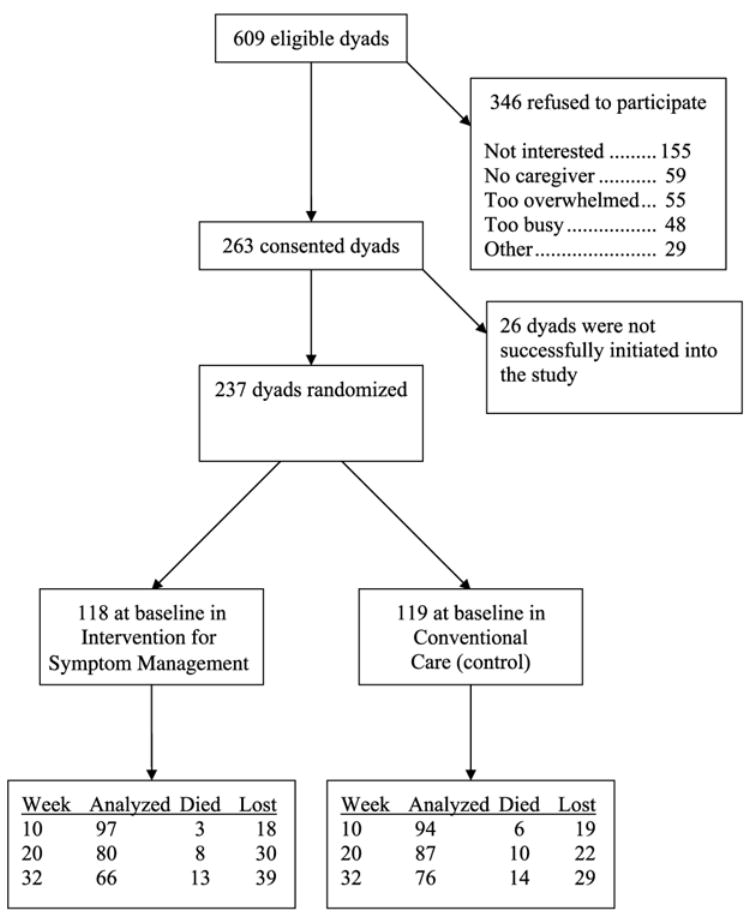
Methods: Two hundred thirty-seven individuals with solid tumor cancer (118 experimental and 119 control group) participated in this 10-contact, 18-week randomized control trial. Cognitive behavioral theory guided the nurse-delivered problem-solving experimental intervention. The control group received conventional care. Interviews occurred at baseline and 10, 20, and 32 weeks.
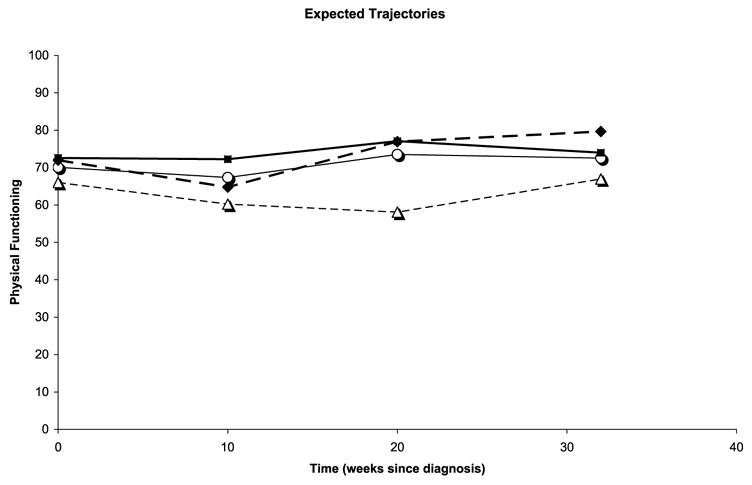
Results: Women with breast cancer had significantly better physical functioning than women with lung cancer. Chronic health conditions, symptom limitation, and depressive symptomatology at baseline were found to moderate the effect of intervention on physical function. Symptom limitation, however, was not found to mediate the effect of intervention on physical functioning.
Discussion: The intervention was shown to affect physical function trajectories differently for individuals with different personal and health characteristics. Because poor physical functioning is strongly associated with mortality and poor quality of life, this information may be used by health professionals to target interventions to those who might be most responsive.
Figures
References
-
- American Cancer Society. Cancer facts and figures. Atlanta, GA: American Cancer Society; 2005.
-
- American Joint Committee on Cancer. AJCC cancer staging manual. 6. Philadelphia, PA: Lippincott, Williams, & Wilkins; 2003.
-
- Bandura A. Self-efficacy: The exercise of control. New York: Freeman; 1997.
-
- Baron RM, Kenny DA. The moderator–mediator variable distinction in social psychological research: Conceptual, strategic, and statistical considerations. Journal of Personality and Social Psychology. 1986;51:1173–1182. - PubMed
-
- Bellg AJ, Borrelli B, Resnick B, Hecht J, Minicucci DS, Ory M, et al. Enhancing treatment fidelity in health behavior change studies: Best practices and recommendations from the NIH Behavior Change Consortium. Health Psychology. 2004;23:443–451. - PubMed
Publication types
MeSH terms
Grants and funding
LinkOut - more resources
Full Text Sources
