


The enigmatic effects of caffeine in cell cycle and cancer
- PMID: 16709440
- PMCID: PMC2824565
- DOI: 10.1016/j.canlet.2006.03.032
The enigmatic effects of caffeine in cell cycle and cancer
Abstract
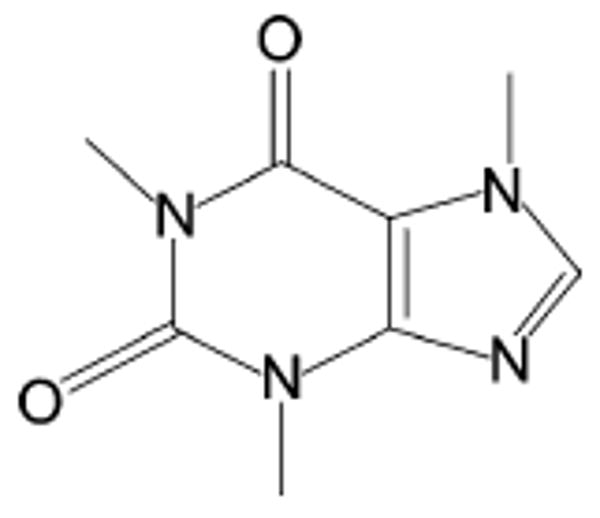
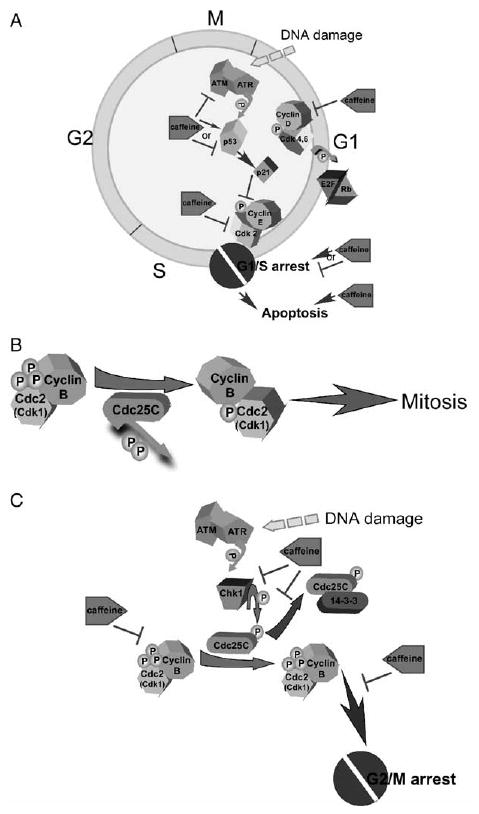
Caffeine may very well be the most frequently ingested neuroactive drug in the world. Mechanistically, caffeine has been reported to affect cell cycle function, induce programmed cell death or apoptosis and perturb key cell cycle regulatory proteins. Although the effects of caffeine have been heavily investigated, much of the research data regarding caffeine's effects on cell cycle and proliferation seem ambiguous. One important factor may be that caffeine has been used experimentally in numerous cell types under a variety of conditions at concentrations ranging from micromolar to high millimolar. Physiologically, achieving experimental blood levels of caffeine would be extremely difficult without adverse side effects. Therefore, the relevance of experimental data obtained by using high concentrations of caffeine is not clear and may account for some of the discrepancies in the literature. This review attempts to reconcile data regarding the cellular effects of caffeine by examining reported effects on cell cycle, proliferation and apoptosis with careful attention to differences in experimental conditions and caffeine concentration utilized.
Figures
References
-
- Levi-Schaffer F, Touitou E. Xanthines inhibit 3T3 fibroblast proliferation. Skin Pharmacol. 1991;4:286–290. - PubMed
-
- Tolmach LJ, Jones RW, Busse PM. The action of caffeine on x-irradiated Hela cells. I. Delayed inhibition of DNA synthesis. Radiat Res. 1977;71:653–665. - PubMed
-
- Busse PM, Bose SK, Jones RW, Tolmach LJ. The action of caffeine on x-irradiated hela cells. Ii. Synergistic lethality. Radiat Res. 1977;71:666–677. - PubMed
Publication types
MeSH terms
Substances
Grants and funding
LinkOut - more resources
Full Text Sources
Other Literature Sources
Medical
Molecular Biology Databases
