


Central nervous system stimulants and sport practice
- PMID: 16799095
- PMCID: PMC2657493
- DOI: 10.1136/bjsm.2006.027557
Central nervous system stimulants and sport practice
Abstract
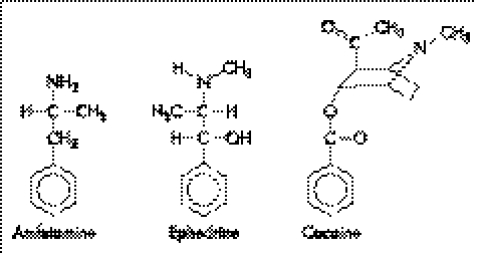
Background and objectives: Central nervous system (CNS) stimulants may be used to reduce tiredness and increase alertness, competitiveness, and aggression. They are more likely to be used in competition but may be used during training to increase the intensity of the training session. There are several potential dangers involving their misuse in contact sports. This paper reviews the three main CNS stimulants, ephedrine, amfetamine, and cocaine, in relation to misuse in sport.
Methods: Description of the pharmacology, actions, and side effects of amfetamine, cocaine, and ephedrine.
Results: CNS stimulants have psychotropic effects that may be perceived to be ergogenic. Some are prescription drugs, such as Ephedra alkaloids, and there are issues regarding their appropriate therapeutic use. Recently attention has been given to their widespread use by athletes, despite the lack of evidence regarding any ergogenic or real performance benefit, and their potentially serious side effects. Recreational drugs, some of which are illegal (cocaine, amfetamines), are commonly used by athletes and cause potential ergolytic effects. Overall, these drugs are important for their frequent use and mention in anti-doping laboratories statistics and the media, and their potentially serious adverse effects.
Conclusions: Doping with CNS stimulants is a real public health problem and all sports authorities should participate in its prevention. Dissemination of information is essential to prevent doping in sport and to provide alternatives. Adequate training and education in this domain should be introduced.
Conflict of interest statement
Competing interests: none declared
References
-
- World Anti‐Doping Agency website: www.wada‐ama.org
-
- George A J. CNS stimulants. In: Mottram DR, ed. Drugs in Sports, 2nd edn. London: E and F Spon, 1996
-
- Schwenk T L. Psychoactive drugs and athletic performance. Phys Sportsmed 19972532–46. - PubMed
-
- Smith D A, Perry P J. Part II, other performance‐enhancing agents. The efficacy of ergogenic agents in athletic competition. Ann Pharmacother 199226653–659. - PubMed
-
- Eichner E R. Ergolytic drugs in medicine and sports. Am J Med 199394205–211. - PubMed
Publication types
MeSH terms
Substances
LinkOut - more resources
Full Text Sources
