


Spatiotemporal evolution of apoptotic neurodegeneration following traumatic injury to the developing rat brain
- PMID: 16822489
- PMCID: PMC2376971
- DOI: 10.1016/j.brainres.2006.05.102
Spatiotemporal evolution of apoptotic neurodegeneration following traumatic injury to the developing rat brain
Abstract
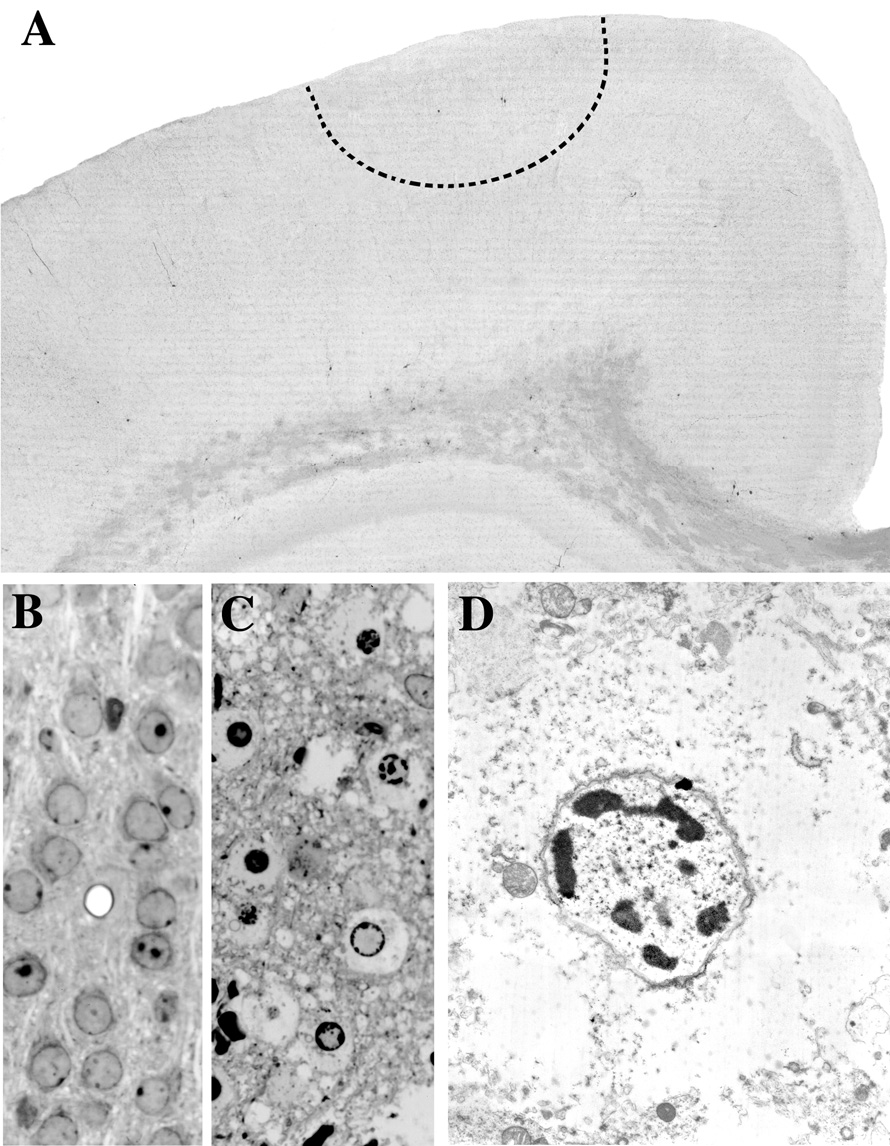
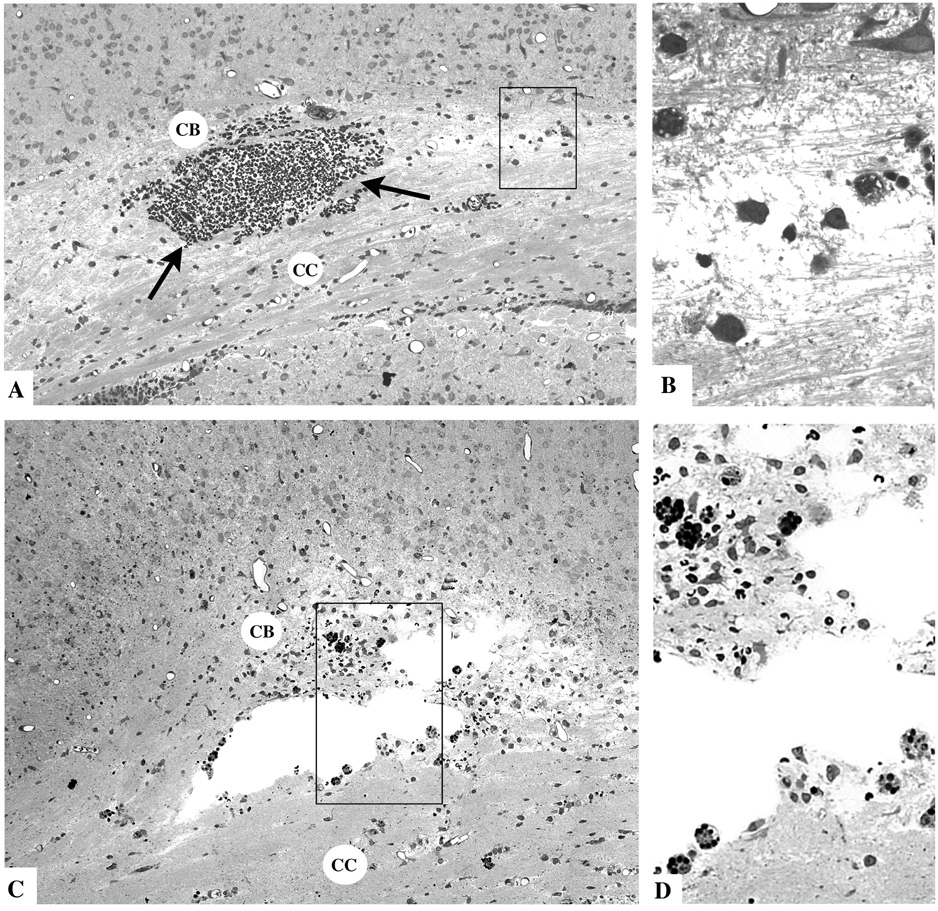
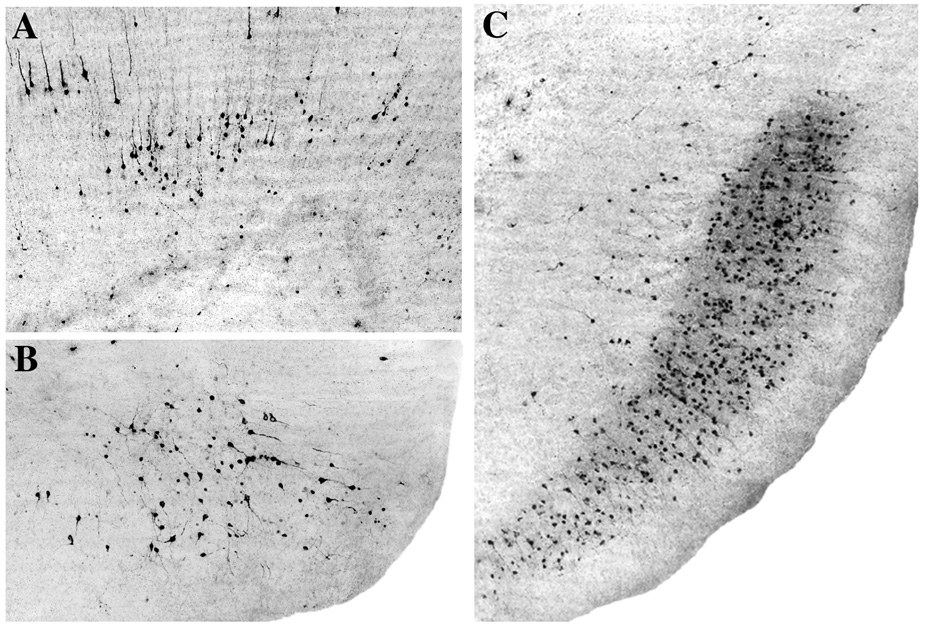
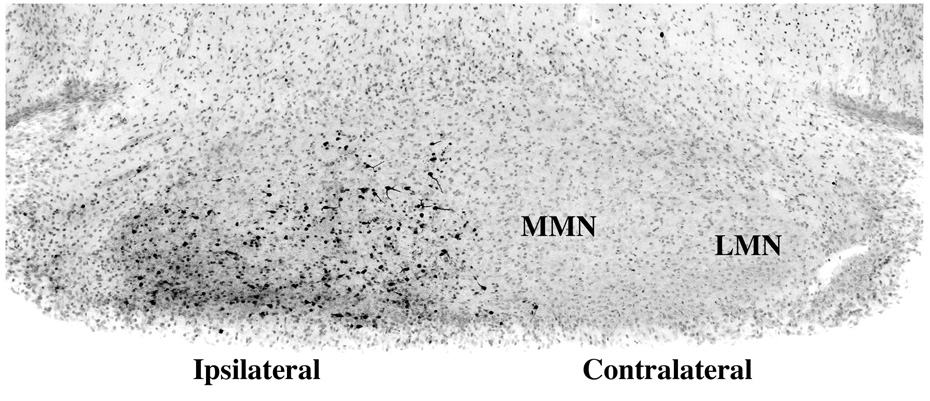
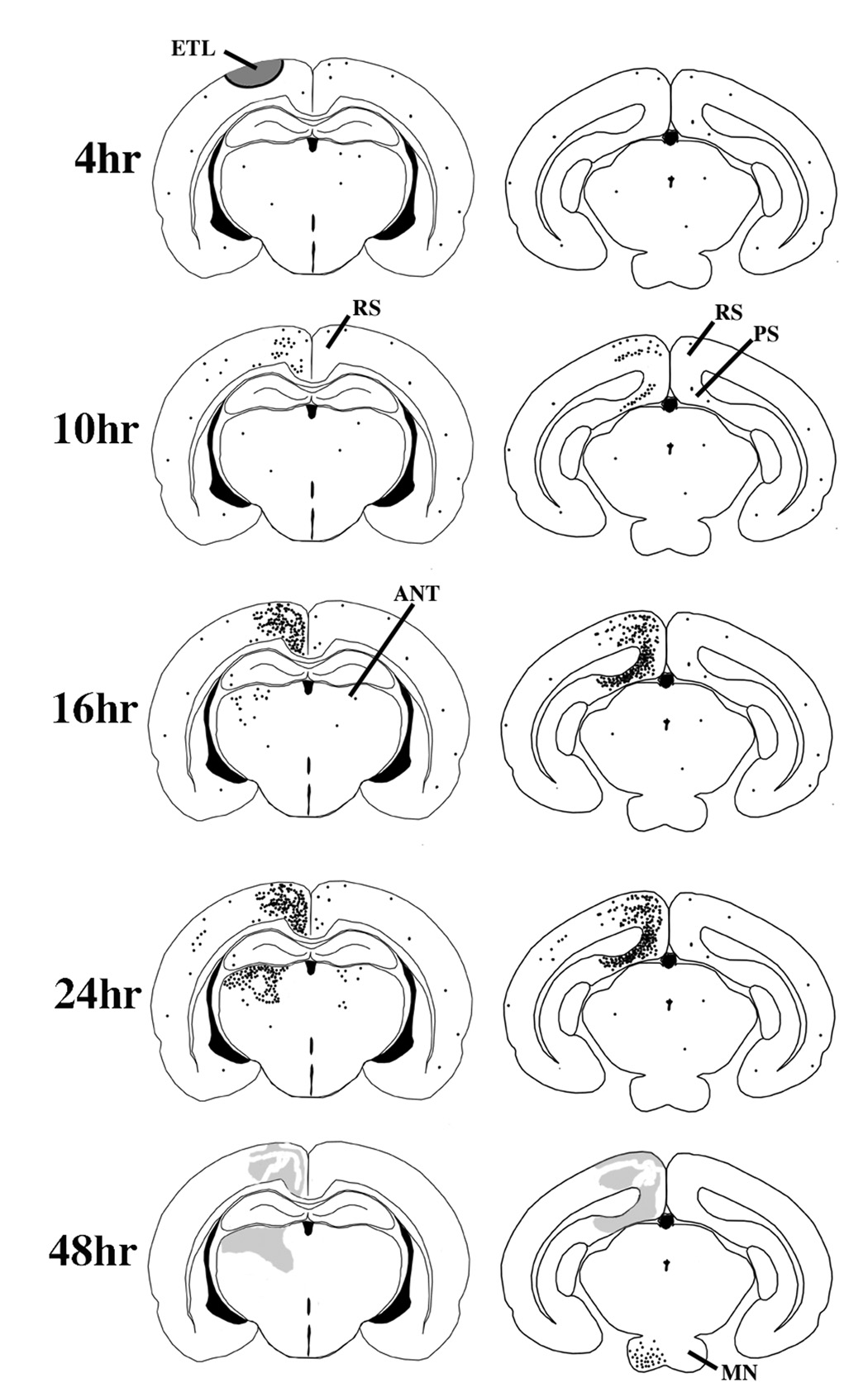
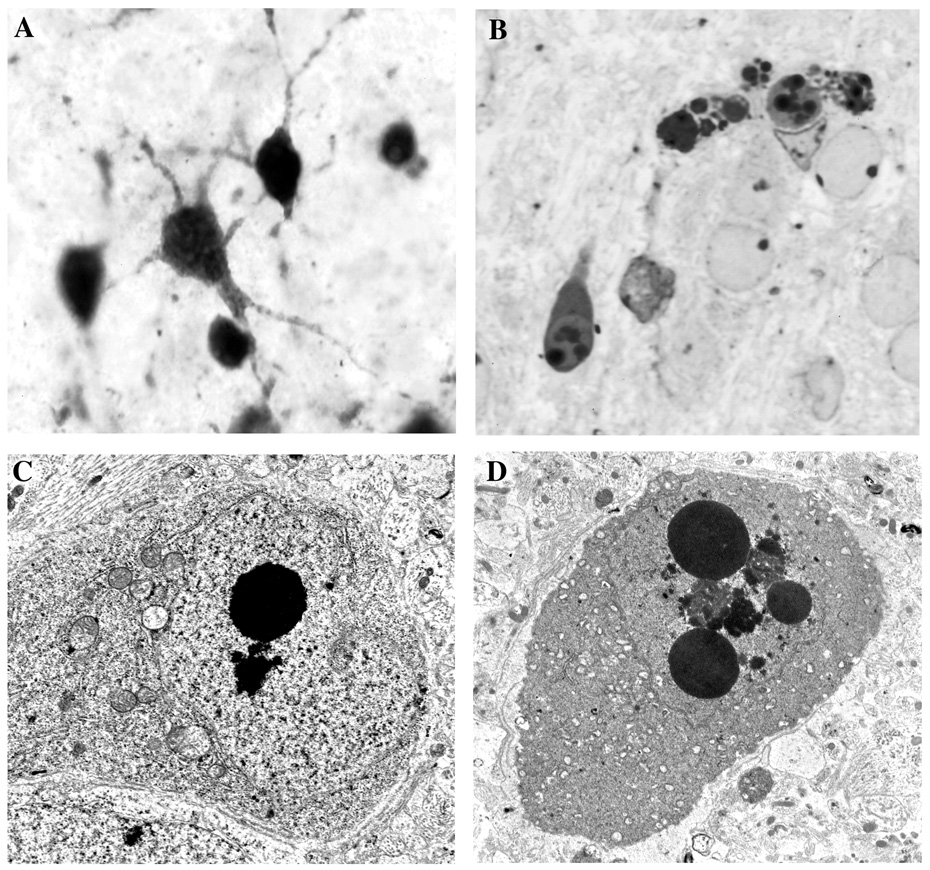
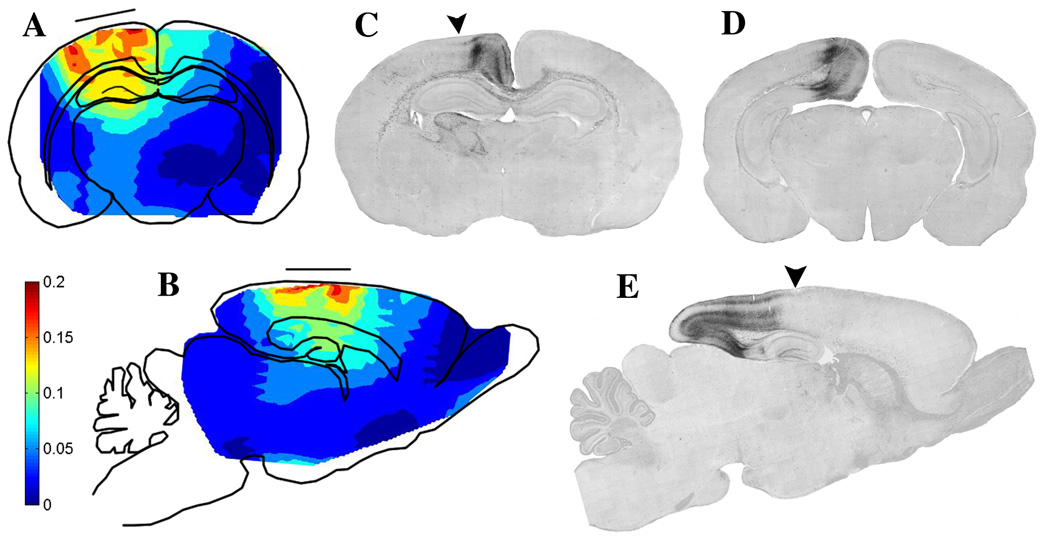
Closed head injury to the developing rat brain causes an acute excitotoxic lesion and axonal disruption at the impact site followed by a delayed pattern of apoptotic damage at various distant sites. Using an electromagnetic impact device to deliver a precisely controlled degree of mechanical deformation to the P7 infant rat skull, we studied the distribution of distant apoptotic lesions and the sequence and time course with which these lesions evolve following relatively mild closed head injury. The first major wave of apoptotic neurodegeneration occurred at 8 h postimpact in the retrosplenial cortex and pre- and parasubiculum. The next major wave occurred in the 16- to 24-h interval and was localized to the anterior thalamic nuclei. A third wave was detected at 36 to 48 h in the mammillary nuclei. We propose that the first and second waves were triggered by injury to a specific fiber tract, the corpus callosum/cingulum bundle that conveys reciprocal connections between the anterior thalamic nuclei and retrosplenial/pre- and parasubicular neurons. This fiber tract passes through a zone of maximum mechanical strain, as measured by tagged MRI. The third wave affecting mammillary neurons occurred because the principal synaptic targets of these neurons are the anterior thalamic neurons that were destroyed in the second wave of degeneration. Prevention of these apoptotic waves of brain damage is a realistic goal in view of the long delay between the impact event and onset of apoptotic degeneration.
Figures

References
-
- Aggleton JP, Brown MW. Episodic memory, amnesia, and the hippocampal-anterior thalamic axis. Behav Brain Sci. 1999;22:425–489. - PubMed
-
- Aggleton JP, Hunt PR, Nagle S, Neave N. The effects of selective lesions within the anterior thalamic nuclei on spatial memory in the rat. Behav Brain Res. 1996;81:189–198. - PubMed
-
- Aggleton JP, Neave N, Nagle S, Hunt PR. A comparison of the effects of anterior thalamic, mammillary body and fornix lesions on reinforced spatial alternation. Behav Brain Res. 1995;68:91–101. - PubMed
-
- Bain AC, Meaney DF. “Tissue-level thresholds for axonal damage in an experimental model of central nervous system white matter injury.”. J Biomech Engrg. 2000;122:615–622. - PubMed
-
- Bain AC, Raghupathi R, Meaney DF. Dynamic stretch correlates to both morphological abnormalities and electrophysiological impairment in a model of traumatic axonal injury. J Neurotrauma. 2001;18(5):499–511. - PubMed
Publication types
MeSH terms
Substances
Grants and funding
LinkOut - more resources
Full Text Sources
