


Antibody-mediated disease remission in the mouse model of lyme borreliosis
- PMID: 16861670
- PMCID: PMC1539599
- DOI: 10.1128/IAI.00469-06
Antibody-mediated disease remission in the mouse model of lyme borreliosis
Abstract
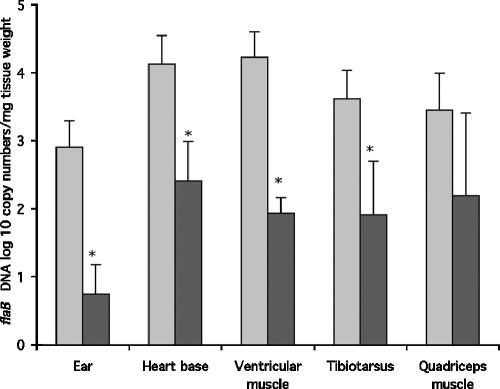
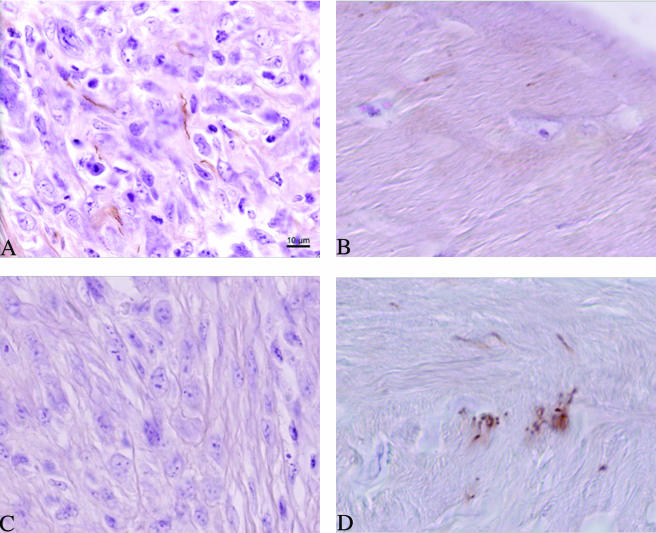
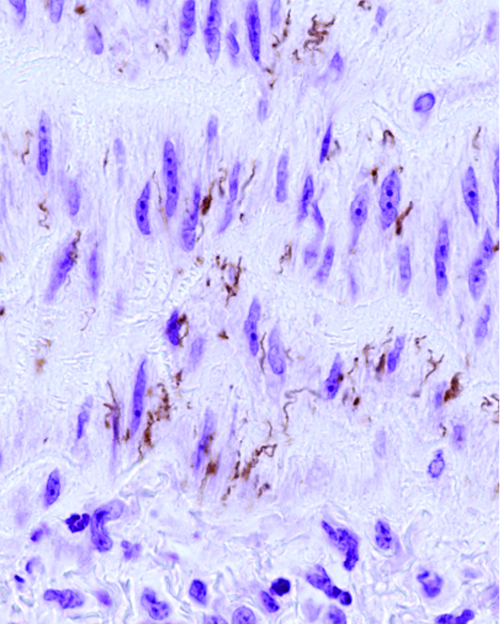
In the mouse model of Lyme borreliosis, the host immune response during infection with Borrelia burgdorferi results in the remission of carditis and arthritis, as well as global reduction of spirochete numbers in tissues, without elimination of infection. These events were recapitulated by passive transfer of immune serum from infected immunocompetent mice or T-cell-deficient mice to severe combined immunodeficient (SCID) mice. Previous studies have shown that immune serum is reactive against arthritis-related protein (Arp) and that Arp antiserum induces arthritis remission. However, although immune serum from T-cell-deficient mice induced disease remission, it was not reactive against Arp, suggesting that antibody to another antigen may be responsible. T-cell-deficient mouse immune serum was reactive to decorin binding protein A (DbpA). Therefore, DbpA antiserum was tested to determine its ability to induce disease remission in SCID mice. Antisera to Arp or DbpA induced both carditis and arthritis remission but did not significantly reduce spirochete numbers in tissues, based upon quantitative flaB DNA analysis, nor did treatment affect RNA levels of several genes, including arp and dbpA. Immunohistochemical labeling of spirochetes in hearts and joints during disease remission induced by adoptive transfer of lymphocytes, passive transfer of immune serum, or passive transfer of DbpA antiserum revealed that such treatment resulted in elimination of spirochetes from heart base and synovium but not vascular walls, tendons, or ligaments. These results suggest that Arp and DbpA antibodies may be active as disease-resolving components in immune serum but antibody against other antigens may be involved in reductions of spirochetes in tissues.
Figures


References
-
- Armstrong, A. L., S. W. Barthold, D. H. Persing, and D. S. Beck. 1992. Carditis in Lyme disease susceptible and resistant strains of laboratory mice infected with Borrelia burgdorferi. Am. J. Trop. Med. Hyg. 47:249-258. - PubMed
-
- Barthold, S. W., M. de Souza, and S. Feng. 1996. Serum-mediated resolution of Lyme arthritis in mice. Lab. Investig. 74:57-67. - PubMed
Publication types
MeSH terms
Substances
Associated data
- Actions
- Actions
- Actions
- Actions
- Actions
- Actions
- Actions
- Actions
- Actions
- Actions
- Actions
- Actions
- Actions
Grants and funding
LinkOut - more resources
Full Text Sources
Medical
Molecular Biology Databases
Miscellaneous
