


Impaired growth and neurological abnormalities in branched-chain alpha-keto acid dehydrogenase kinase-deficient mice
- PMID: 16875466
- PMCID: PMC1635446
- DOI: 10.1042/BJ20060869
Impaired growth and neurological abnormalities in branched-chain alpha-keto acid dehydrogenase kinase-deficient mice
Abstract
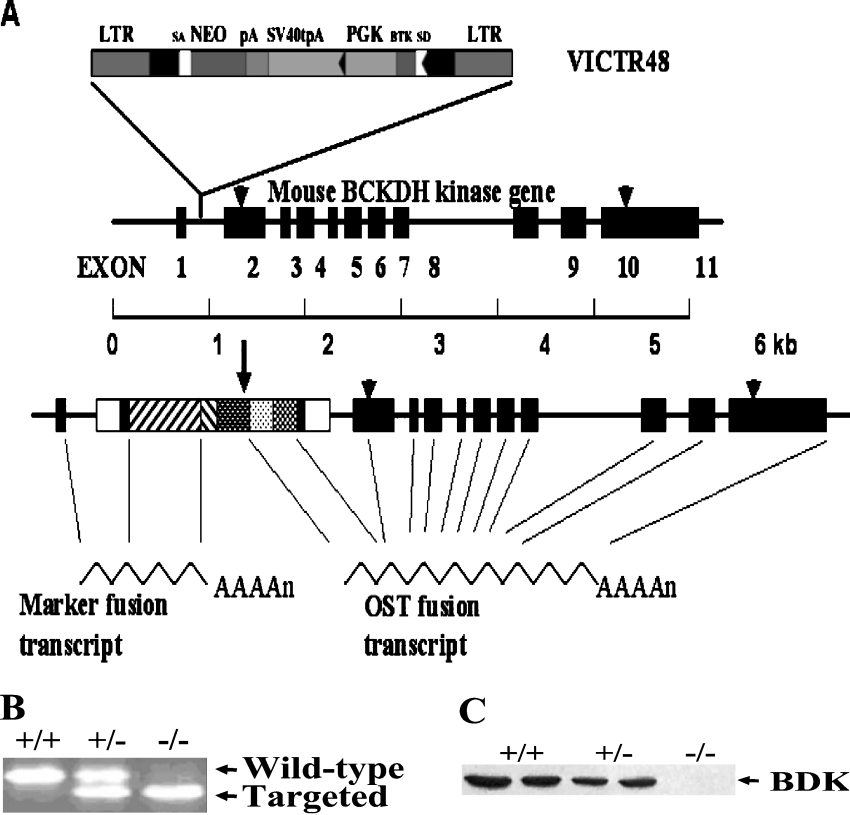
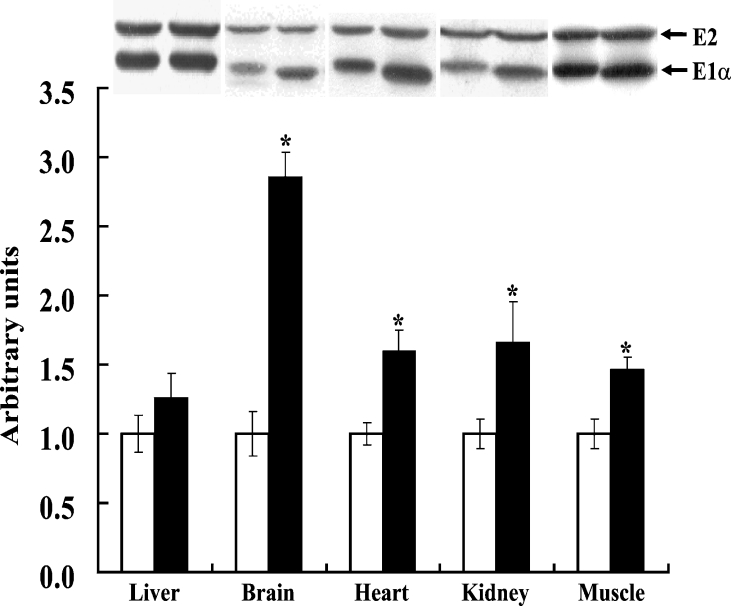
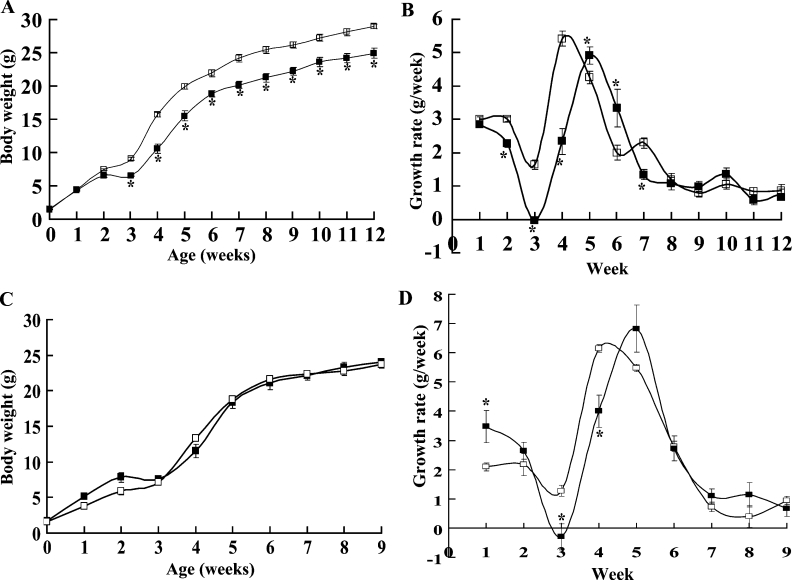
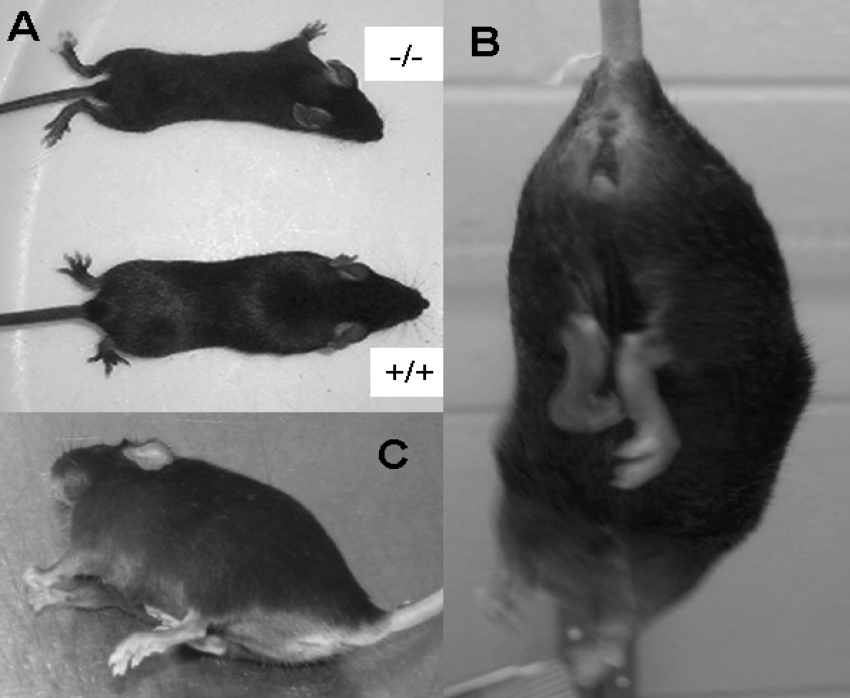
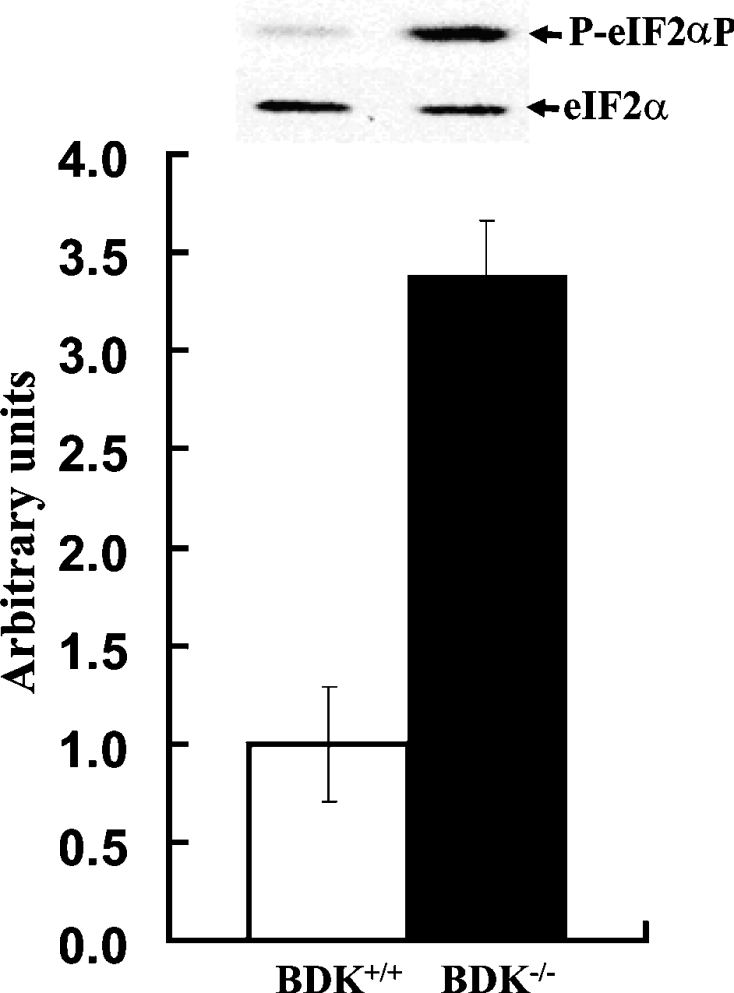
The BCKDH (branched-chain alpha-keto acid dehydrogenase complex) catalyses the rate-limiting step in the oxidation of BCAAs (branched-chain amino acids). Activity of the complex is regulated by a specific kinase, BDK (BCKDH kinase), which causes inactivation, and a phosphatase, BDP (BCKDH phosphatase), which causes activation. In the present study, the effect of the disruption of the BDK gene on growth and development of mice was investigated. BCKDH activity was much greater in most tissues of BDK-/- mice. This occurred in part because the E1 component of the complex cannot be phosphorylated due to the absence of BDK and also because greater than normal amounts of the E1 component were present in tissues of BDK-/- mice. Lack of control of BCKDH activity resulted in markedly lower blood and tissue levels of the BCAAs in BDK-/- mice. At 12 weeks of age, BDK-/- mice were 15% smaller than wild-type mice and their fur lacked normal lustre. Brain, muscle and adipose tissue weights were reduced, whereas weights of the liver and kidney were greater. Neurological abnormalities were apparent by hind limb flexion throughout life and epileptic seizures after 6-7 months of age. Inhibition of protein synthesis in the brain due to hyperphosphorylation of eIF2alpha (eukaryotic translation initiation factor 2alpha) might contribute to the neurological abnormalities seen in BDK-/- mice. BDK-/- mice show significant improvement in growth and appearance when fed a high protein diet, suggesting that higher amounts of dietary BCAA can partially compensate for increased oxidation in BDK-/- mice. Disruption of the BDK gene establishes that regulation of BCKDH by phosphorylation is critically important for the regulation of oxidative disposal of BCAAs. The phenotype of the BDK-/- mice demonstrates the importance of tight regulation of oxidative disposal of BCAAs for normal growth and neurological function.
Figures
Comment in
-
The case for regulating indispensable amino acid metabolism: the branched-chain alpha-keto acid dehydrogenase kinase-knockout mouse.Biochem J. 2006 Nov 15;400(1):e1-3. doi: 10.1042/BJ20061506. Biochem J. 2006. PMID: 17061958 Free PMC article.
References
-
- Kimball S. R., Jefferson L. S. Molecular mechanisms through which amino acids mediate signaling through the mammalian target of rapamycin. Curr. Opin. Clin. Nutr. Metab. Care. 2004;7:39–44. - PubMed
-
- Hutson S. M., Lieth E., LaNoue K. F. Function of leucine in excitatory neurotransmitter metabolism in the central nervous system. J. Nutr. 2001;131:846S–850S. - PubMed
-
- Mordier S., Deval C., Bechet D., Tassa A., Ferrara M. Leucine limitation induces autophagy and activation of lysosome-dependent proteolysis in C2C12 myotubes through a mammalian target of rapamycin-independent signaling pathway. J. Biol. Chem. 2000;275:29900–29906. - PubMed
-
- Lambert D. G., Hughes K., Atkins T. W. Insulin release from a cloned hamster B-cell line (HIT-T15): the effects of glucose, amino acids, sulphonylureas and colchicine. Biochem. Biophys. Res. Commun. 1986;140:616–625. - PubMed
-
- Chuang D. T., Shih V. E. Maple syrup urine disease (branched-chain ketoaciduria) In: Scriverd C. R., Beaudet A. L., Sly W. S., Valle D., editors. Metabolic and Molecular Basis of Inherited Disease. 8th edn. New York: McGraw Hill; 2001. pp. 1971–2005.
Publication types
MeSH terms
Substances
Grants and funding
LinkOut - more resources
Full Text Sources
Other Literature Sources
Medical
Molecular Biology Databases
Miscellaneous
