


Comparative study of salivary pH and volume in adults with chronic laryngopharyngitis by gastroesophageal reflux disease before and after treatment
- PMID: 16917554
- PMCID: PMC9445775
- DOI: 10.1016/s1808-8694(15)30035-5
Comparative study of salivary pH and volume in adults with chronic laryngopharyngitis by gastroesophageal reflux disease before and after treatment
Abstract
Introduction: Gastroesophageal Reflux Disease (GERD) is the most prevalent digestive disease of the modern society and has been associated with abnormalities in the larynx and pharynx (LPR). Nonetheless, little is known about the mechanisms involved in this atypical form of the disease. Contradictory clinical data suggest a defense deficit at this segment. Saliva with its organic and inorganic components is responsible for the homeostasis of the oral mucosa and the digestive tract. Salivary pH and volume abnormalities have been linked to laryngopharyngeal symptoms of GERD and LPR. In a recent study we demonstrated significant salivary pH reduction in patients with LPR. Another study found correlation between reduced salivary pH and volume directly related to esophageal pH-metry results.
Aim: To evaluate salivary pH and volume before and after clinical treatment of LPR.
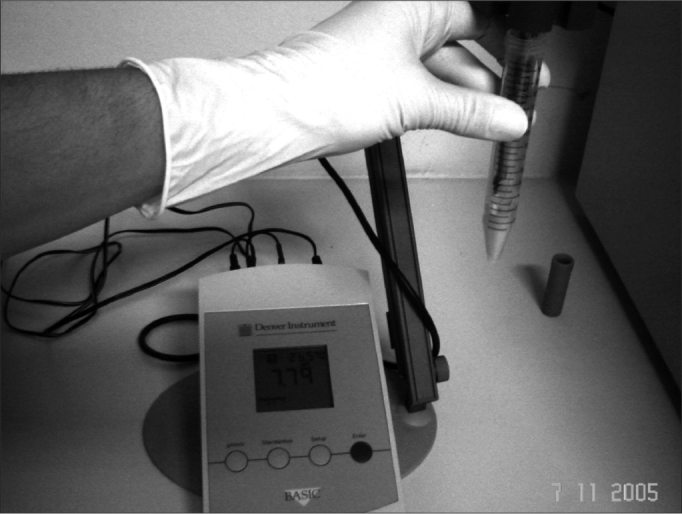
Material and method: Twenty-three adults with LPR had total fasting saliva tested before and after a 12-week course of oral proton pump inhibitor.
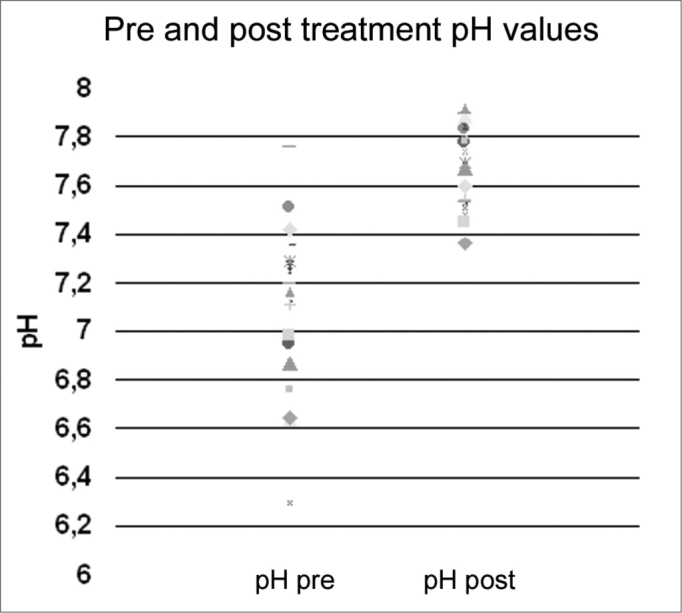
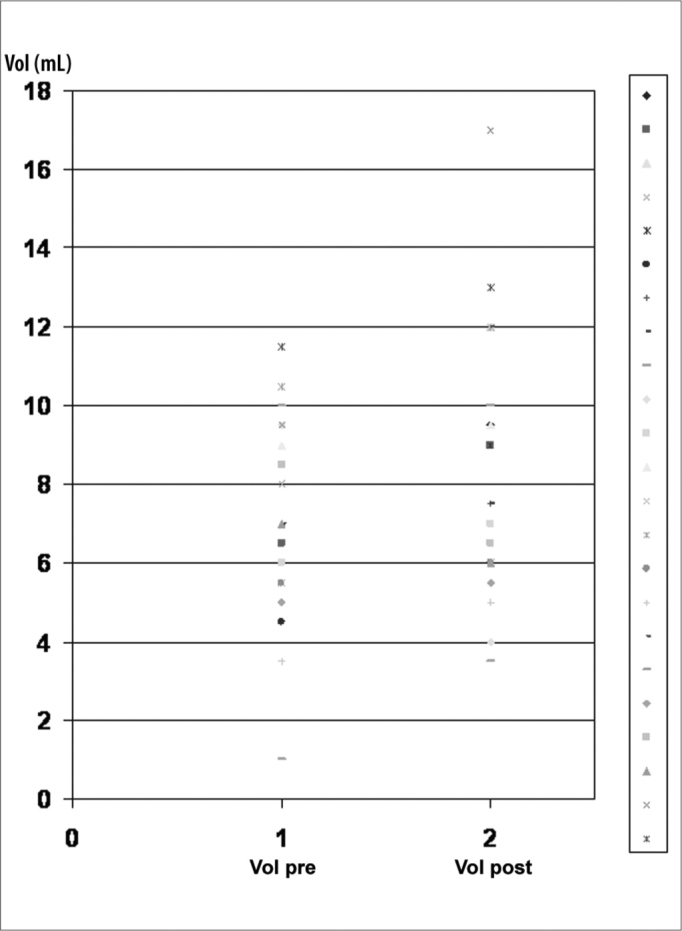
Results: A statistically significant difference was found in salivary pH before and after treatment with increase of pH values after control of the disease (p<0.001). Salivary volumes of treated patients were also significantly higher than in pre-treated patients (p=0.009).
Discussion: These findings suggest that salivary pH and volume are influenced by the presence of gastroesophageal contents and that salivary pH monitoring can potentially become a cost-effective method for diagnosing and controlling LPR.
Figures
References
BIBLIOGRAPHY
-
- Cianci R, Fedeli G, Cammarota G, Galli J, Agostino S, Di Girolamo S, Maurig M, Gasbarrini G. Is the alkaline reflux a risk factor for laryngeal lesions? Am J Gastroenterol. 2000;95(9):2398. (CARTA) - PubMed
-
- Hanson DG, Jiang JJ. Diagnosis and management of chronic laryngitis associated with reflux. Am J Med. 2000;108(4A):112S–119S. - PubMed
-
- García-Compéan D, Gonzalez GG, Mar DA, Trevino RM, Bosques F, Maldonado H. Prevalence of gastroesophageal reflux disease in patients with extraesophageal symptoms referred from otolaryngology, allergy, and cardiology practices: a prospective study. Dig Dis. 2000;18:178–182. - PubMed
-
- Reulbach TR, Belafsky PC, Blalock D, Koufman JA, Postma GN. Occult Laryngeal Pathology in a Community-Based Cohort. Otolaryngol. Head & Neck Surg. 2001;124(4):448–455. - PubMed
-
- Moraes-Filho JPP, Cecconello I, Gama-Rodrigues J, Castro LP, Henry M,A, Meneghelli UG, Quigley E. Brazilian consensus on gastroesophageal reflux disease: proposals for assessment, classification, and management. Am J Gastroenterol. 2002;97(2):241–248. - PubMed
Uncited Reference
-
- Adhami T, Goldblum J, Richter J, Vaezi M. Role of gastric and duodenal ingredients in laryngeal tissue injury: an experimental study in dogs. Abstracts of the Digestive Disease Week. 2002;429:A–87.
-
- Tobey NA. How Does the Esophageal Epithelium Maintain its Integrity? Digestion. 1995;56(Suppl. 1):45–50. - PubMed
Publication types
MeSH terms
Substances
LinkOut - more resources
Full Text Sources
Medical
