


Psychoeducation: a basic psychotherapeutic intervention for patients with schizophrenia and their families
- PMID: 16920788
- PMCID: PMC2683741
- DOI: 10.1093/schbul/sbl017
Psychoeducation: a basic psychotherapeutic intervention for patients with schizophrenia and their families
Abstract
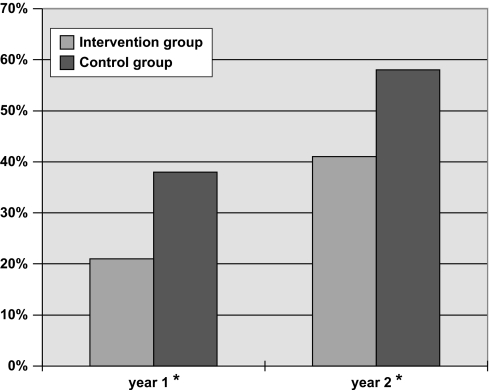
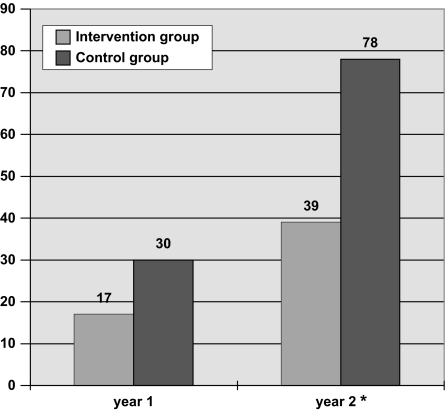
Psychoeducation was originally conceived as a composite of numerous therapeutic elements within a complex family therapy intervention. Patients and their relatives were, by means of preliminary briefing concerning the illness, supposed to develop a fundamental understanding of the therapy and further be convinced to commit to more long-term involvement. Since the mid 1980s, psychoeducation in German-speaking countries has evolved into an independent therapeutic program with a focus on the didactically skillful communication of key information within the framework of a cognitive-behavioral approach. Through this, patients and their relatives should be empowered to understand and accept the illness and cope with it in a successful manner. Achievement of this basic-level competency is considered to constitute an "obligatory-exercise" program upon which additional "voluntary-exercise" programs such as individual behavioral therapy, self-assertiveness training, problem-solving training, communication training, and further family therapy interventions can be built. Psychoeducation looks to combine the factor of empowerment of the affected with scientifically founded treatment expertise in as efficient a manner as possible. A randomized multicenter study based in Munich showed that within a 2-year period such a program was related to a significant reduction in rehospitalization rates from 58% to 41% and also a shortening of intermittent days spent in hospital from 78 to 39 days. Psychoeducation, in the form of an obligatory-exercise program, should be made available to all patients suffering from a schizophrenic disorder and their families.
Figures
References
-
- American Psychiatric Association. Guidelines for Treatment of Schizophrenia 2004. Washington, DC: American Psychiatric Association.
-
- DGPPN. S-3-Behandlungsleitlinie Schizophrenie 2006. Darmstadt, Germany: Steinkopff.
-
- Dixon, L, Adams, C, Lucksted, A. Update on family psychoeducation for schizophrenia. Schizophr Bull 2000. ;26137–139. - PubMed
-
- Pekkala, E and Merinder, L. Psychoeducation for schizophrenia. Cochrane Rev Cochrane Data Base Syst Rev [serial online]. 2002;No.CD002831:1–41. - PubMed
-
- Zubin, J and Spring, B. Vulnerability: a new view of schizophrenia. J Abnorm Psychol 1977. ;86103–126. - PubMed
Publication types
MeSH terms
LinkOut - more resources
Full Text Sources
Medical
