


N-linked glycan recognition and processing: the molecular basis of endoplasmic reticulum quality control
- PMID: 16938451
- PMCID: PMC3976202
- DOI: 10.1016/j.sbi.2006.08.005
N-linked glycan recognition and processing: the molecular basis of endoplasmic reticulum quality control
Abstract
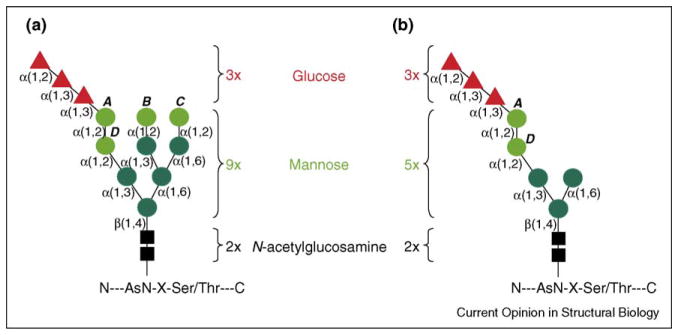
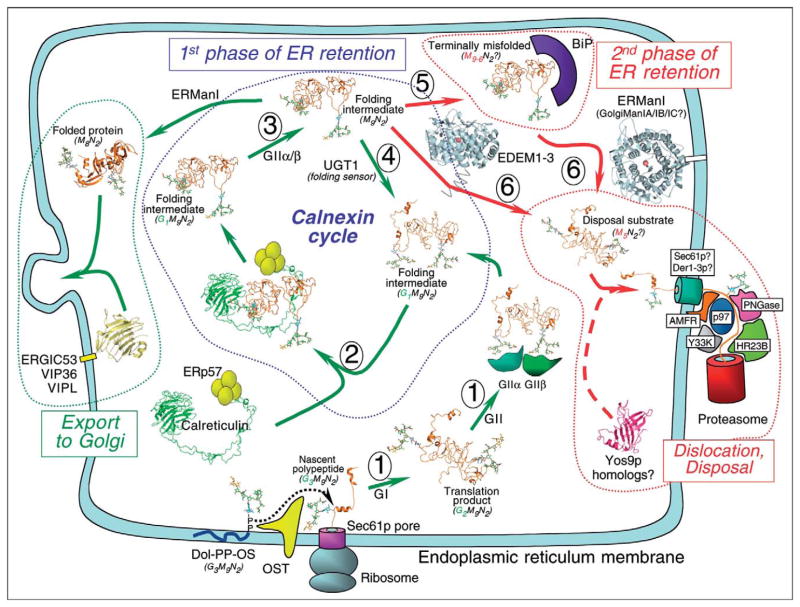
Nascent polypeptides emerging into the lumen of the endoplasmic reticulum (ER) are N-glycosylated on asparagines in Asn-Xxx-Ser/Thr motifs. Processing of the core oligosaccharide eventually determines the fate of the associated polypeptide by regulating entry into and retention by the calnexin chaperone system, or extraction from the ER folding environment for disposal. Recent advances have shown that at least two N-glycans are necessary for protein access to the calnexin chaperone system and that polypeptide cycling in the system is a rather rare event, which, for folding-defective polypeptides, is activated only upon persistent misfolding. Additionally, dismantling of the polypeptide-bound N-glycan interrupts futile folding attempts, and elicits preparation of the misfolded chain for dislocation into the cytosol and degradation.
Figures
References
-
- Helenius A, Aebi M. Roles of N-linked glycans in the endoplasmic reticulum. Annu Rev Biochem. 2004;73:1019–1049. - PubMed
-
- Ellgaard L, Molinari M, Helenius A. Setting the standards: quality control in the secretory pathway. Science. 1999;286:1882–1888. - PubMed
-
- Hebert DN, Garman SC, Molinari M. The glycan code of the endoplasmic reticulum: asparagine-linked carbohydrates as protein maturation and quality-control tags. Trends Cell Biol. 2005;15:364–370. - PubMed
-
- Lederkremer GZ, Glickman MH. A window of opportunity: timing protein degradation by trimming of sugars and ubiquitins. Trends Biochem Sci. 2005;30:297–303. - PubMed
-
- Deprez P, Gautschi M, Helenius A. More than one glycan is needed for ER glucosidase II to allow entry of glycoproteins into the calnexin/calreticulin cycle. Mol Cell. 2005;19:183–195. This paper provides interesting new insights into substrate access to the CNX chaperone system. Access requires the rapid and coordinated intervention of two distinct glucose-removing enzymes: GI, which acts immediately after N-glycan addition to nascent chains; and GII, for which association with one N-glycan promotes deglucosylation of a second glycan displayed by the same polypeptide chain (trans-activation) - PubMed
Publication types
MeSH terms
Substances
Grants and funding
LinkOut - more resources
Full Text Sources
