


High-resolution quantitative imaging of mammalian and bacterial cells using stable isotope mass spectrometry
- PMID: 17010211
- PMCID: PMC1781526
- DOI: 10.1186/jbiol42
High-resolution quantitative imaging of mammalian and bacterial cells using stable isotope mass spectrometry
Abstract
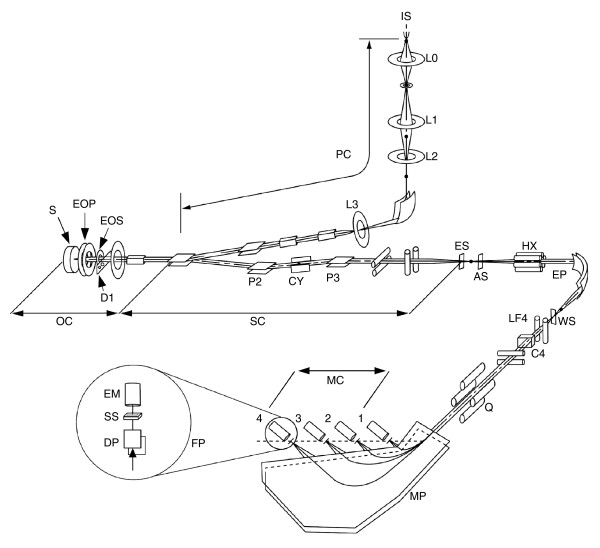
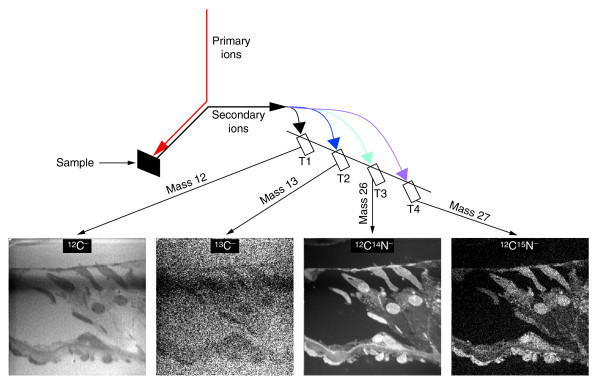
Background: Secondary-ion mass spectrometry (SIMS) is an important tool for investigating isotopic composition in the chemical and materials sciences, but its use in biology has been limited by technical considerations. Multi-isotope imaging mass spectrometry (MIMS), which combines a new generation of SIMS instrument with sophisticated ion optics, labeling with stable isotopes, and quantitative image-analysis software, was developed to study biological materials.
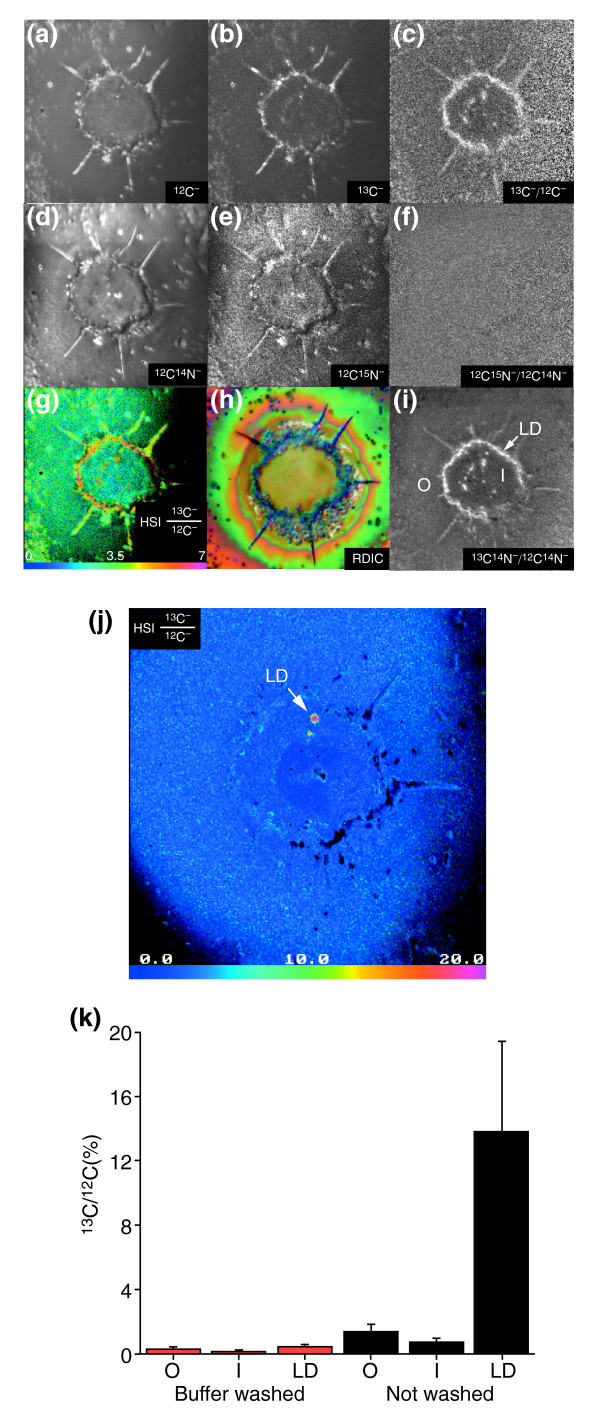
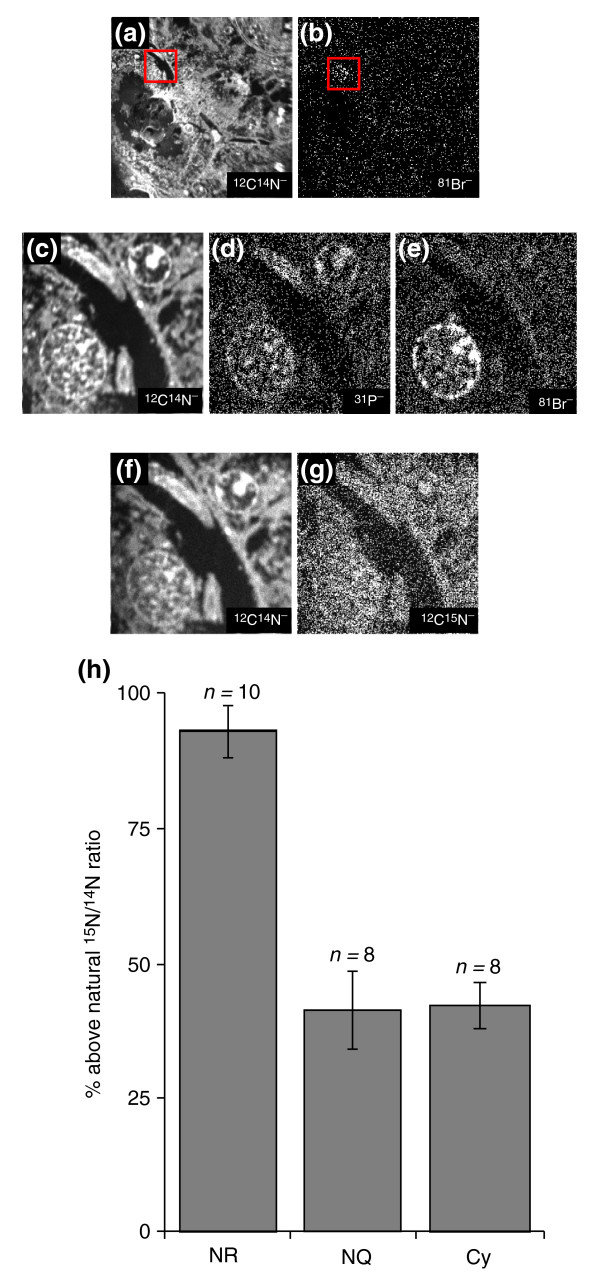
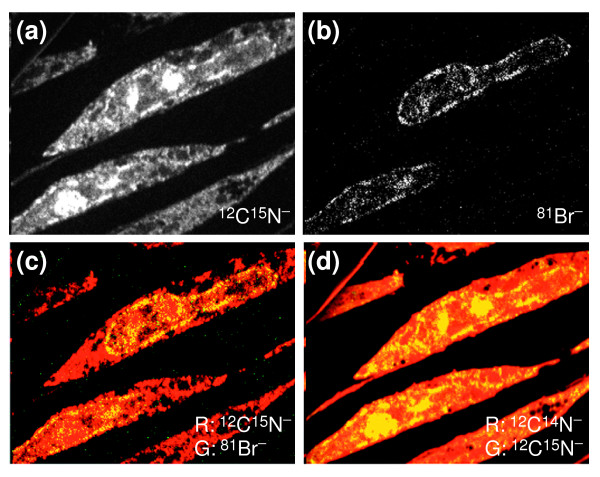
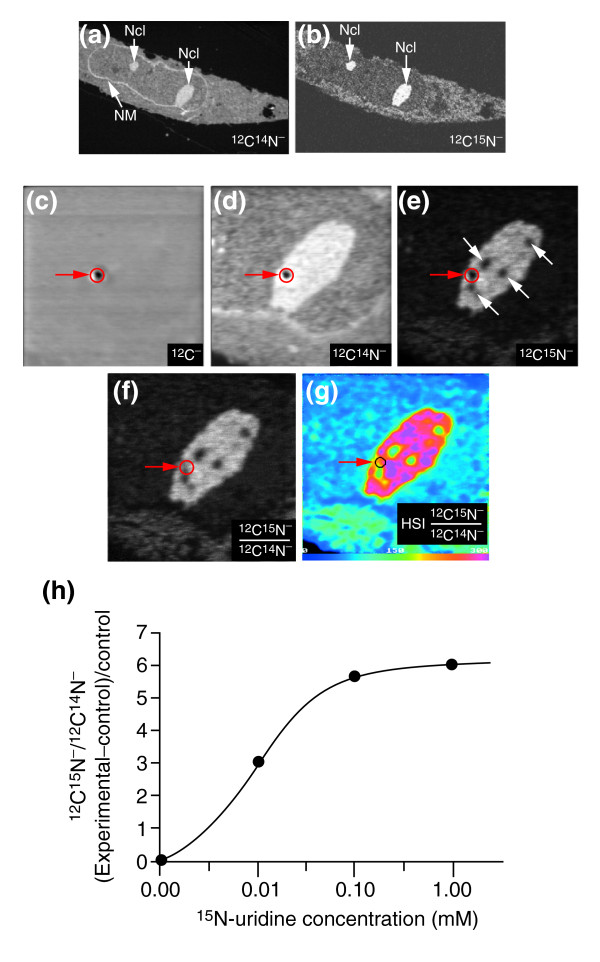
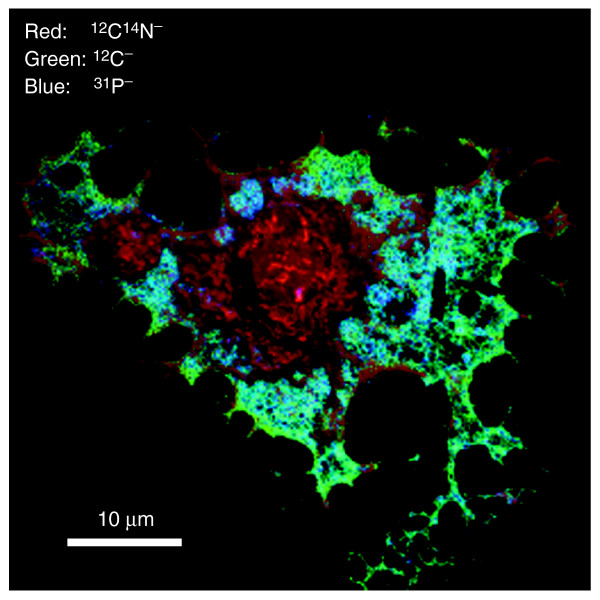
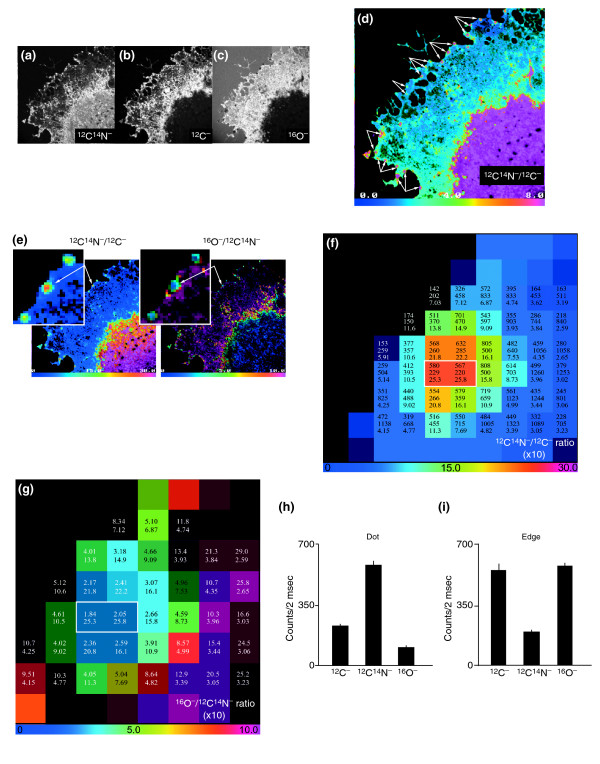
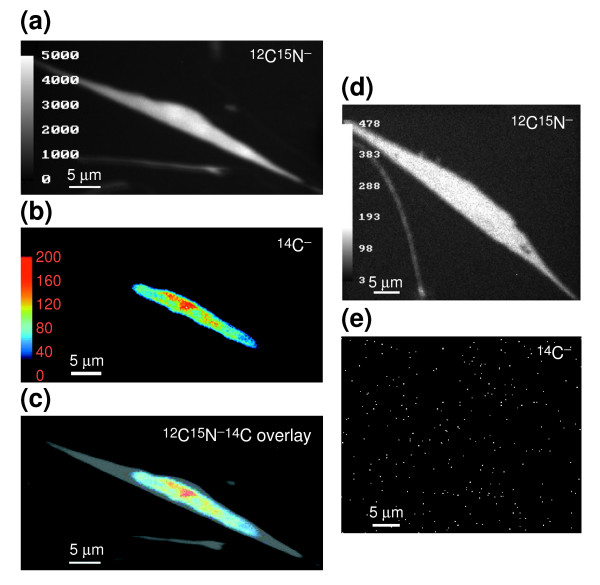
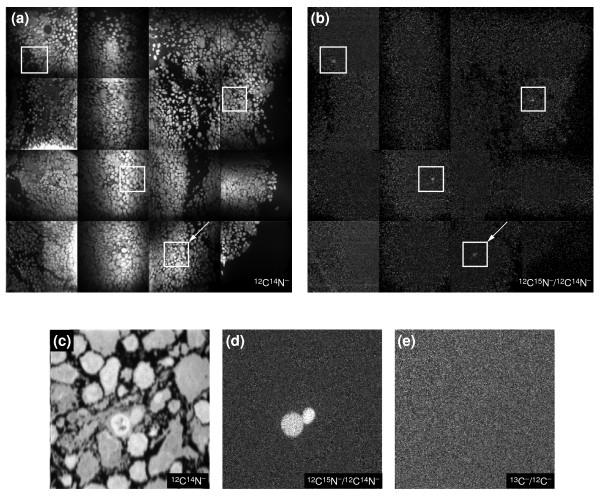
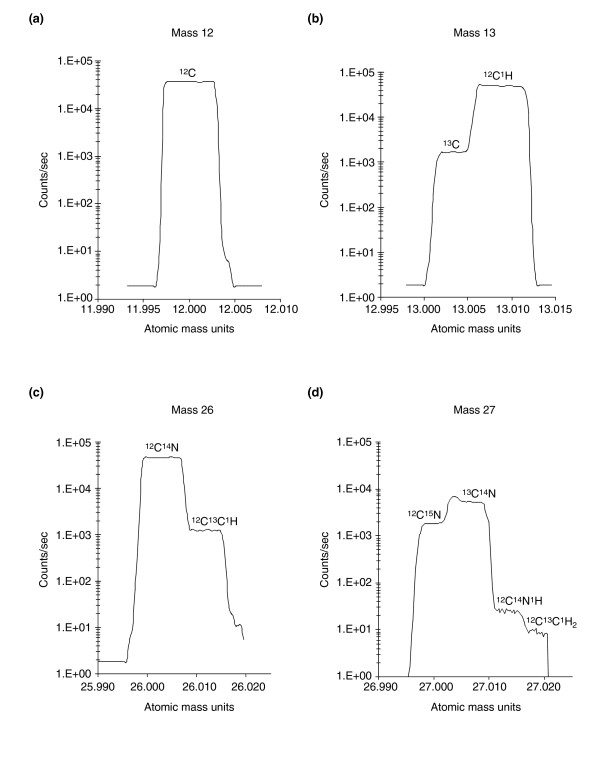
Results: The new instrument allows the production of mass images of high lateral resolution (down to 33 nm), as well as the counting or imaging of several isotopes simultaneously. As MIMS can distinguish between ions of very similar mass, such as 12C15N- and 13C14N-, it enables the precise and reproducible measurement of isotope ratios, and thus of the levels of enrichment in specific isotopic labels, within volumes of less than a cubic micrometer. The sensitivity of MIMS is at least 1,000 times that of 14C autoradiography. The depth resolution can be smaller than 1 nm because only a few atomic layers are needed to create an atomic mass image. We illustrate the use of MIMS to image unlabeled mammalian cultured cells and tissue sections; to analyze fatty-acid transport in adipocyte lipid droplets using 13C-oleic acid; to examine nitrogen fixation in bacteria using 15N gaseous nitrogen; to measure levels of protein renewal in the cochlea and in post-ischemic kidney cells using 15N-leucine; to study DNA and RNA co-distribution and uridine incorporation in the nucleolus using 15N-uridine and 81Br of bromodeoxyuridine or 14C-thymidine; to reveal domains in cultured endothelial cells using the native isotopes 12C, 16O, 14N and 31P; and to track a few 15N-labeled donor spleen cells in the lymph nodes of the host mouse.
Conclusion: MIMS makes it possible for the first time to both image and quantify molecules labeled with stable or radioactive isotopes within subcellular compartments.
Figures
References
-
- Schoenheimer R. The Dynamic State of Body Constituents The Edward K Dunham Lectures for the Promotion of the Medical Sciences. Cambridge, MA: Harvard University Press; 1942.
-
- Castaing R, Slodzian G. Microanalyse par emission ionique secondaire. J Microsc. 1962;1:31–38.
-
- Benninghoven A, Rudenauer FG, Werner HW. In: Secondary Ion Mass Spectrometry: Basic Concepts, Instrumental Aspects, Applications and Trends. Elving PJ, Winefordner JD, Kolthoff IM, editor. Vol. 86. Chichester, UK: John Wiley & Sons; 1987.
Publication types
MeSH terms
Substances
Grants and funding
- DC03463/DC/NIDCD NIH HHS/United States
- P41EB001974/EB/NIBIB NIH HHS/United States
- R01 DC004179/DC/NIDCD NIH HHS/United States
- R01 GM047214/GM/NIGMS NIH HHS/United States
- R37DK39773/DK/NIDDK NIH HHS/United States
- R01DK58762/DK/NIDDK NIH HHS/United States
- R01DC04179/DC/NIDCD NIH HHS/United States
- R01 DK058762/DK/NIDDK NIH HHS/United States
- Z01 DC000033/ImNIH/Intramural NIH HHS/United States
- T32 DC000033/DC/NIDCD NIH HHS/United States
- P41 EB001974/EB/NIBIB NIH HHS/United States
- R01GM47214/GM/NIGMS NIH HHS/United States
- R01 EY012963/EY/NEI NIH HHS/United States
- R01EY12963/EY/NEI NIH HHS/United States
- R37 DK039773/DK/NIDDK NIH HHS/United States
- DC00033/DC/NIDCD NIH HHS/United States
- P41RR14579/RR/NCRR NIH HHS/United States
LinkOut - more resources
Full Text Sources
Other Literature Sources
Research Materials
