


The International Society for Developmental Psychobiology annual meeting symposium: Impact of early life experiences on brain and behavioral development
- PMID: 17016842
- PMCID: PMC1952656
- DOI: 10.1002/dev.20170
The International Society for Developmental Psychobiology annual meeting symposium: Impact of early life experiences on brain and behavioral development
Abstract
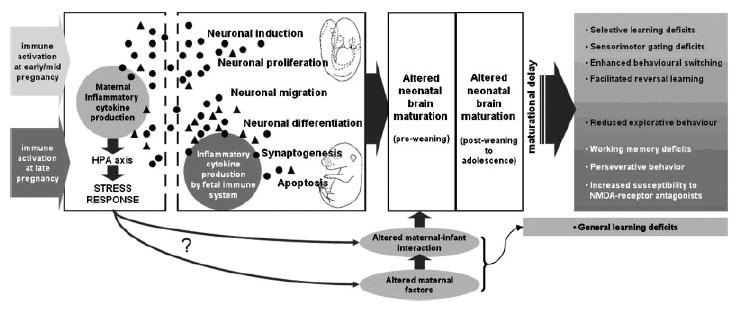
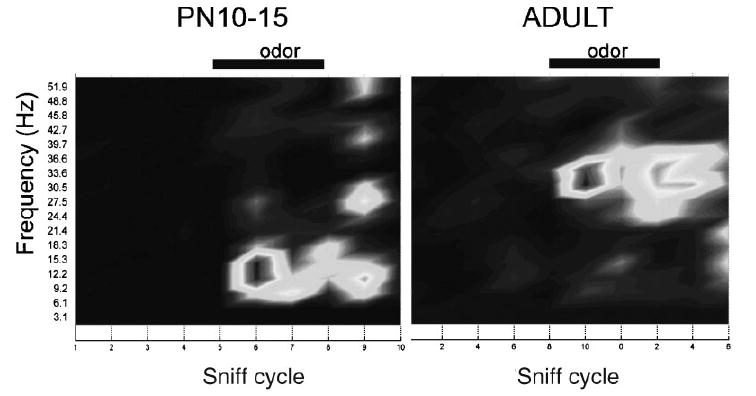
Decades of research in the area of developmental psychobiology have shown that early life experience alters behavioral and brain development, which canalizes development to suit different environments. Recent methodological advances have begun to identify the mechanisms by which early life experiences cause these diverse adult outcomes. Here we present four different research programs that demonstrate the intricacies of early environmental influences on behavioral and brain development in both pathological and normal development. First, an animal model of schizophrenia is presented that suggests prenatal immune stimulation influences the postpubertal emergence of psychosis-related behavior in mice. Second, we describe a research program on infant rats that demonstrates how early odor learning has unique characteristics due to the unique functioning of the infant limbic system. Third, we present work on the rodent Octodon degus, which shows that early paternal and/or maternal deprivation alters development of limbic system synaptic density that corresponds to heightened emotionality. Fourth, a juvenile model of stress is presented that suggests this developmental period is important in determining adulthood emotional well being. The approach of each research program is strikingly different, yet all succeed in delineating a specific aspect of early development and its effects on infant and adult outcome that expands our understanding of the developmental impact of infant experiences on emotional and limbic system development. Together, these research programs suggest that the developing organism's developmental trajectory is influenced by environmental factors beginning in the fetus and extending through adolescence, although the specific timing and nature of the environmental influence has unique impact on adult mental health.
(c) 2006 Wiley Periodicals, Inc.
Figures
References
-
- Agid O, Shapira B, Zislin J, Ritsner M, Hanin B, Murad H, Troudart T, Bloch M, Heresco-Levy U, Lerer B. Environment and vulnerability to major psychiatric illness: A case control study of early parental loss in major depression, bipolar disorder and schizophrenia. Molecular Psychiatry. 1999;4(2):163–172. - PubMed
-
- Ainsworth MDS. The effects of maternal deprivation: A review of findings and controversy in the context of research strategy. Public Health Papers. 1962;14:97–165. - PubMed
-
- Ainsworth MDS. Object relations, dependency, and attachment: A theoretical review of the infant-mother relationship. Child Development. 1969;40:969–1025. - PubMed
-
- Ainsworth MDS, Boston M, Bowlby J, Rosenbluth D. The effects of mother-child separation: A follow-up study. British Journal of Medical Psychology. 1956;29:211–247. - PubMed
-
- Arborelius L, Owens MJ, Plotsky PM, Nemeroff CB. The role of corticotropin-releasing factor in depression and anxiety disorders. The Journal of Endocrinology. 1999;160(1):1–12. - PubMed
Publication types
MeSH terms
Grants and funding
LinkOut - more resources
Full Text Sources
