


Cholesterol enrichment of human monocyte/macrophages induces surface exposure of phosphatidylserine and the release of biologically-active tissue factor-positive microvesicles
- PMID: 17158353
- PMCID: PMC4568121
- DOI: 10.1161/01.ATV.0000254674.47693.e8
Cholesterol enrichment of human monocyte/macrophages induces surface exposure of phosphatidylserine and the release of biologically-active tissue factor-positive microvesicles
Abstract
Objective: Biologically significant amounts of two procoagulant molecules, phosphatidylserine (PS) and tissue factor (TF), are transported by monocyte/macrophage-derived microvesicles (MVs). Because cellular cholesterol accumulation is an important feature of atherosclerotic vascular disease, we now examined effects of cholesterol enrichment on MV release from human monocytes and macrophages.
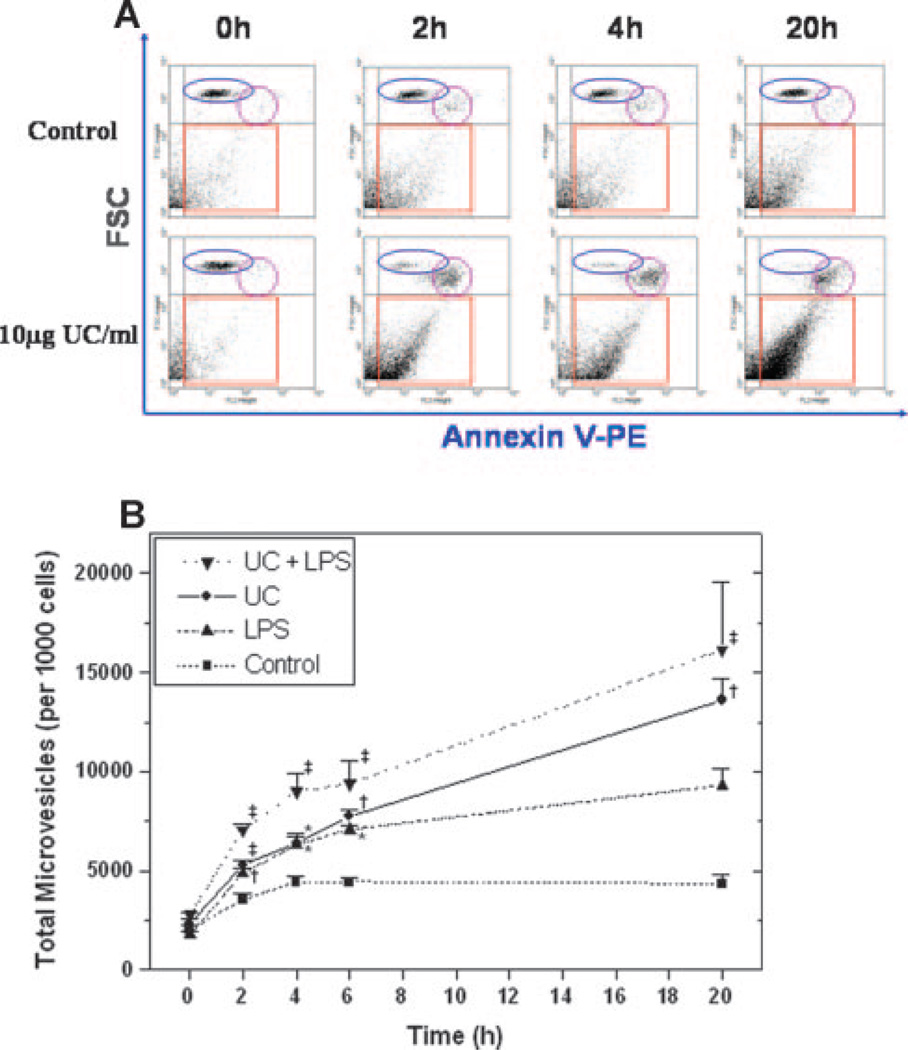
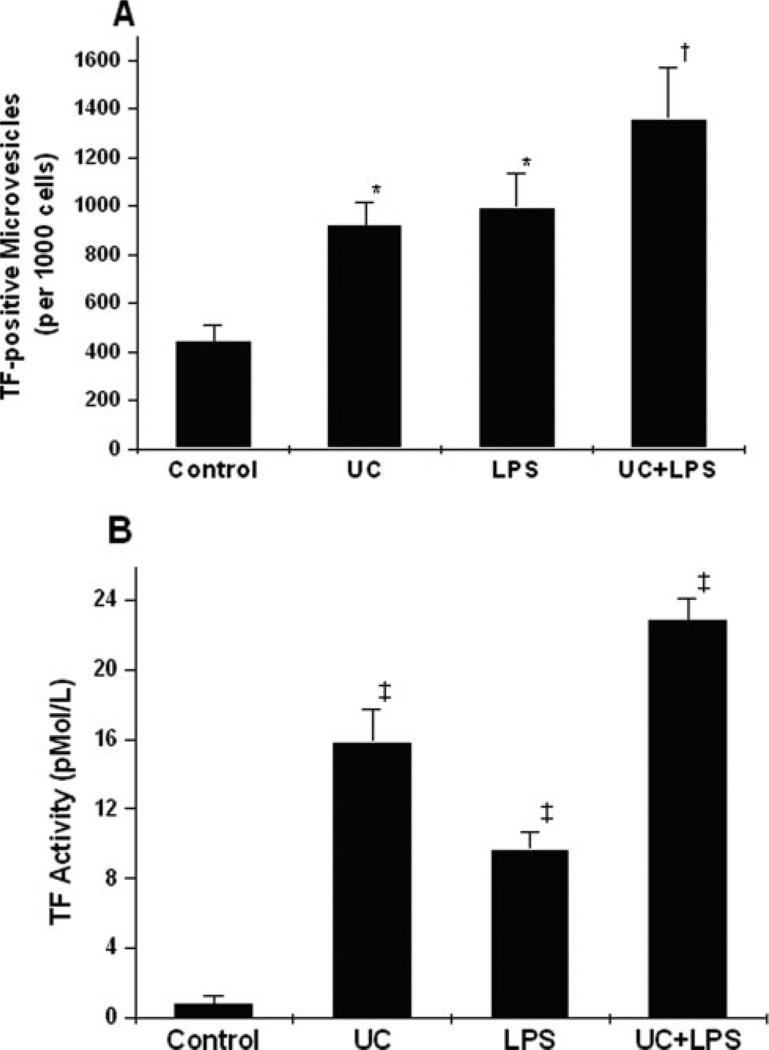
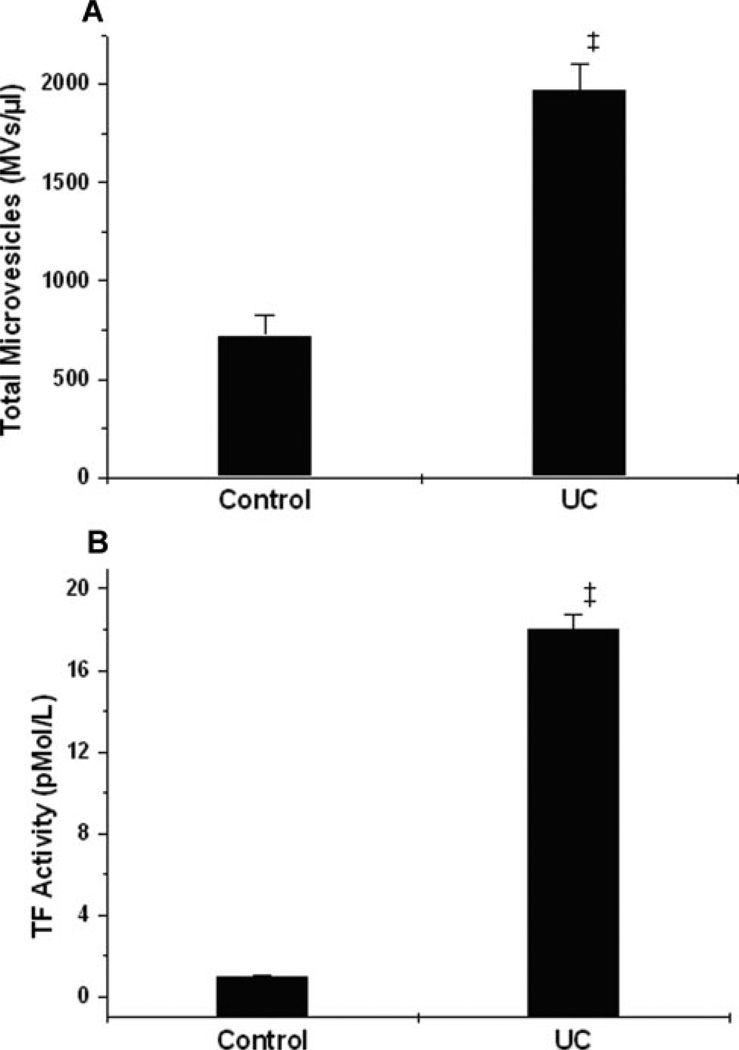
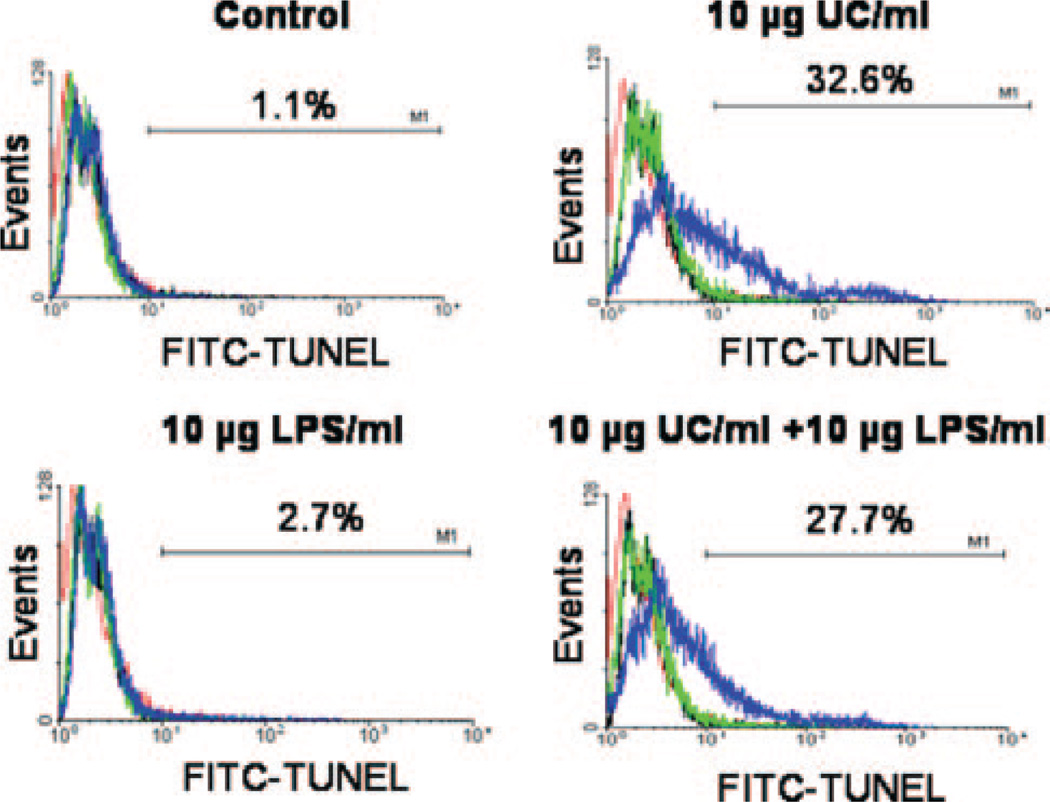
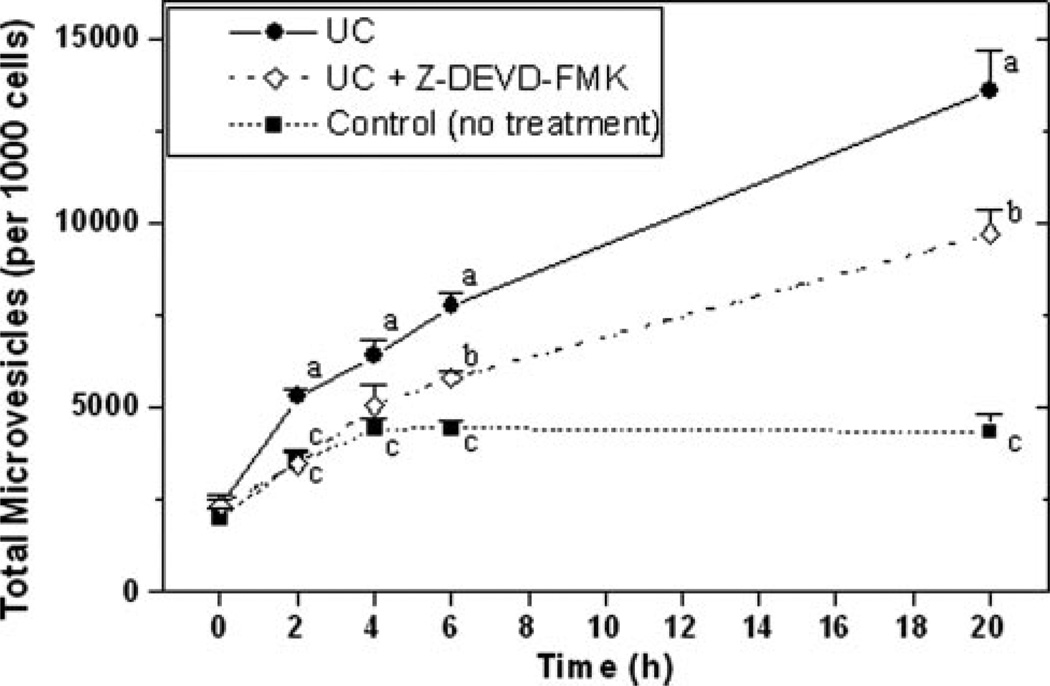
Methods and results: Cholesterol enrichment of human THP-1 monocytes, alone or in combination with lipopolysaccharide (LPS), tripled their total MV generation, as quantified by flow cytometry based on particle size and PS exposure. The subset of these MVs that were also TF-positive was likewise increased by cellular cholesterol enrichment, and these TF-positive MVs exhibited a striking 10-fold increase in procoagulant activity. Moreover, cholesterol enrichment of primary human monocyte-derived macrophages also increased their total as well as TF-positive MV release, and these TF-positive MVs exhibited a similar 10-fold increase in procoagulant activity. To explore the mechanisms of enhanced MV release, we found that cholesterol enrichment of monocytes caused PS exposure on the cell surface by as early as 2 hours and genomic DNA fragmentation in a minority of cells by 20 hours. Addition of a caspase inhibitor at the beginning of these incubations blunted both cholesterol-induced apoptosis and MV release.
Conclusions: Cholesterol enrichment of human monocyte/macrophages induces the generation of highly biologically active, PS-positive MVs, at least in part through induction of apoptosis. Cholesterol-induced monocyte/macrophage MVs, both TF-positive and TF-negative, may be novel contributors to atherothrombosis.
Figures
References
-
- Morel O, Toti F, Hugel B, Freyssinet JM. Cellular microparticles: a disseminated storage pool of bioactive vascular effectors. Curr Opin Hematol. 2004;11:156–164. - PubMed
-
- Zwaal RF, Schroit AJ. Pathophysiologic implications of membrane phospholipid asymmetry in blood cells. Blood. 1997;89:1121–1132. - PubMed
-
- Mallat Z, Hugel B, Ohan J, Leseche G, Freyssinet JM, Tedgui A. Shed membrane microparticles with procoagulant potential in human atherosclerotic plaques: a role for apoptosis in plaque thrombogenicity. Circulation. 1999;99:348–353. - PubMed
-
- Mallat Z, Tedgui A. Current perspective on the role of apoptosis in atherothrombotic disease. Circ Res. 2001;88:998–1003. - PubMed
Publication types
MeSH terms
Substances
Grants and funding
LinkOut - more resources
Full Text Sources
Medical
Miscellaneous
