


Spine stability: the six blind men and the elephant
- PMID: 17210212
- PMCID: PMC1865578
- DOI: 10.1016/j.clinbiomech.2006.11.011
Spine stability: the six blind men and the elephant
Abstract
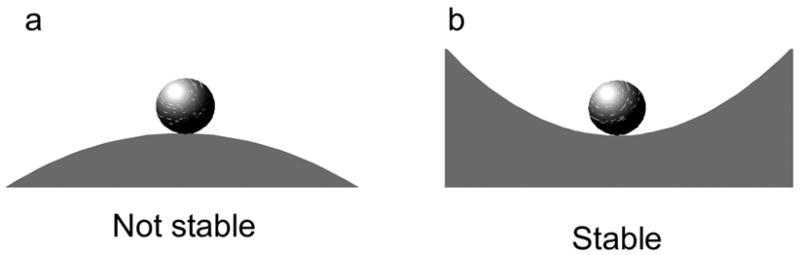
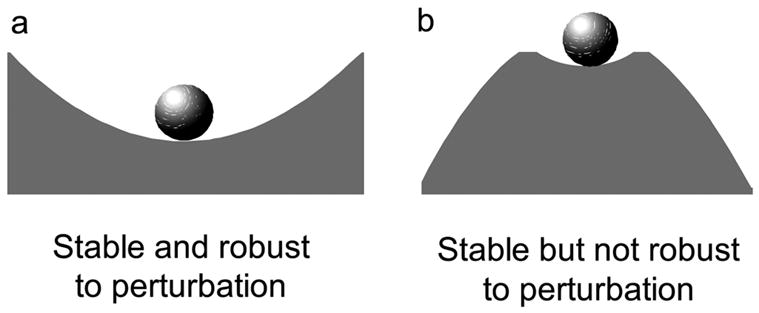
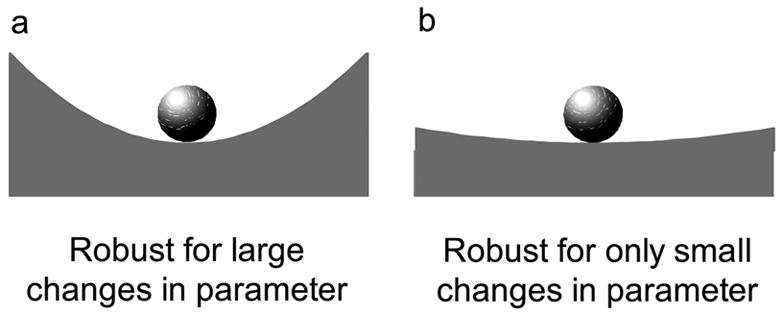
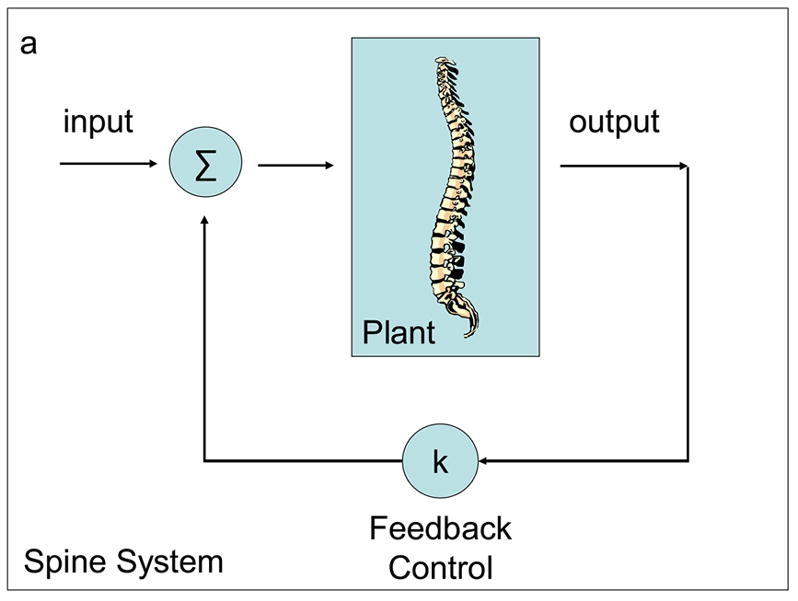
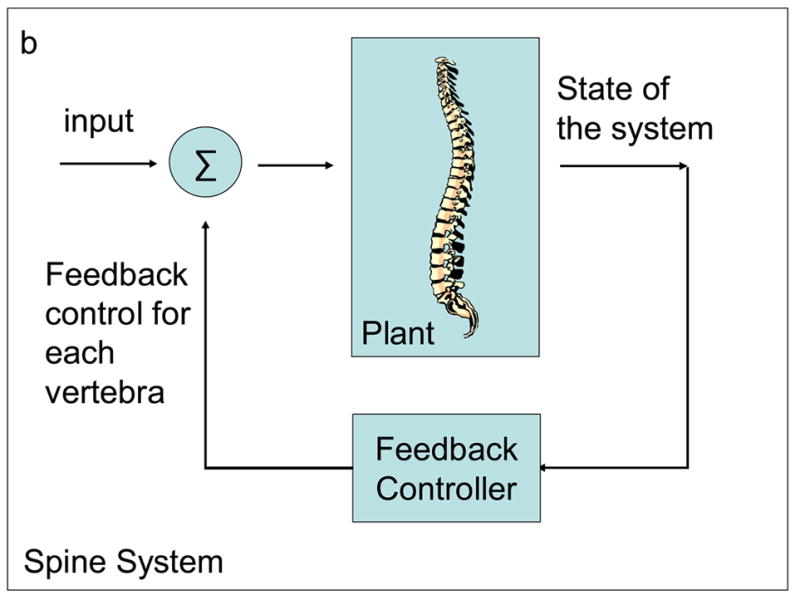
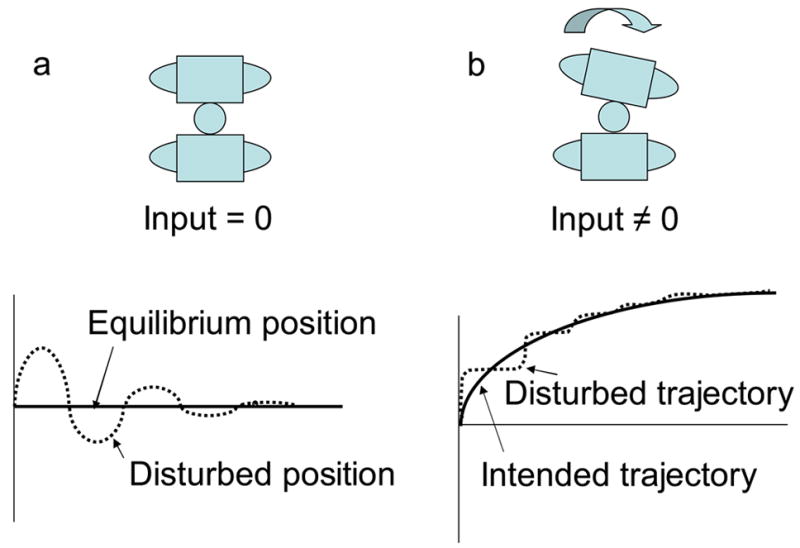
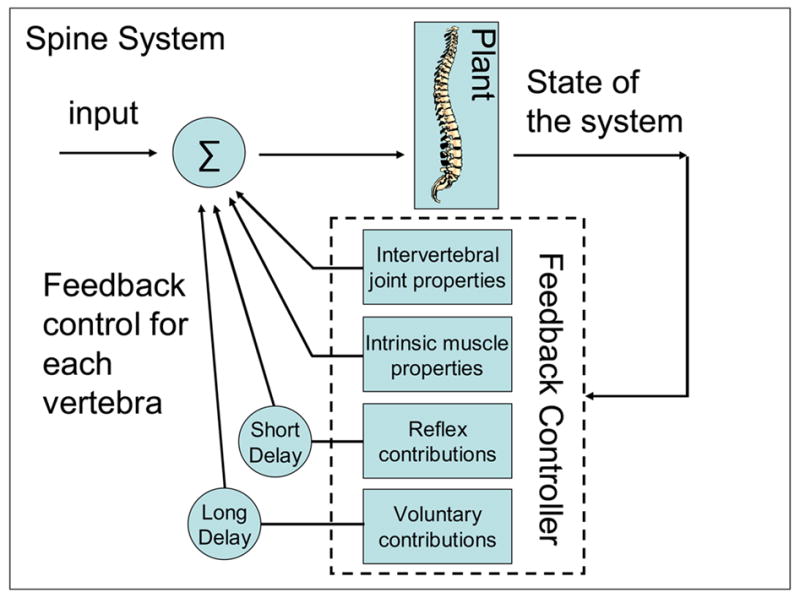
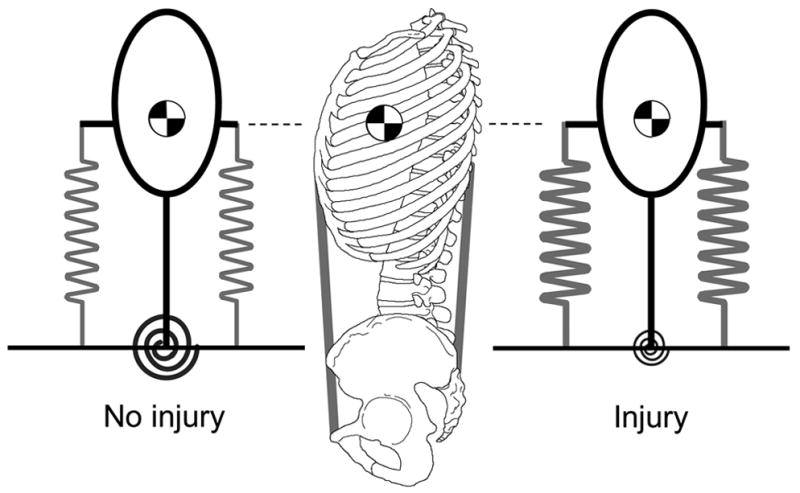
Stability is one of the most fundamental concepts to characterize and evaluate any system. This term is often ambiguously used in spinal biomechanics. Confusion arises when the static analyses of stability are used to study dynamic systems such as the spine. Therefore, the purpose of this paper is to establish a common ground of understanding, using standard, well-defined terms to frame future discussions regarding spine dynamics, stability, and injury. A qualitative definition of stability, applicable to dynamic systems, is presented. Additional terms, such as robustness (which is often confused with stability) and performance are also defined. The importance of feedback control in maintaining stability is discussed. Finally, these concepts are applied to understand low back pain and risk of injury.
Figures
Comment in
-
Re: Spine stability: the six blind men and the elephant.Clin Biomech (Bristol). 2007 May;22(4):486; author reply 487-8. doi: 10.1016/j.clinbiomech.2007.01.001. Epub 2007 Feb 16. Clin Biomech (Bristol). 2007. PMID: 17306912 No abstract available.
References
-
- Bergmark A. Mechanical Stability of the Human Lumbar Spine. Department of Solid Mechanics; Lund University: 1987.
-
- Bergmark A. Stability of the lumbar spine. A study in mechanical engineering. Acta Orthop Scand Suppl. 1989;230:1–54. - PubMed
-
- Bjorksten M, Jonsson B. Endurance limit of force in long-term intermittent static contractions. Scand J Work Environ Health. 1977;3:23–7. - PubMed
-
- Buxton DF, Peck D. Neuromuscular spindles relative to joint complexities. Clinical anatomy. 1989;2:211–24.
Publication types
MeSH terms
Grants and funding
LinkOut - more resources
Full Text Sources
